Many people experiencing genital symptoms, especially during their first herpes outbreak, often wonder if herpes causes a noticeable odor.
While the well-known symptoms include painful blisters, sores, and itching, an often overlooked symptom is a pungent smell frequently described as "fishy." It is important to understand that this odor is not caused directly by the herpes virus itself.
Instead, it arises from discharge and the interaction of that discharge with the natural bacteria of the genital area.
The intensity and character of the smell can differ between men and women.
If you notice a strong or unusual scent, it is essential to consider possible causes and seek appropriate care.
Does Herpes Have a Smell?
The herpes simplex virus (HSV-2) itself does not produce any odor. Viruses are microscopic and do not emit smells, even if they did, they would be too small to be noticeable.
What causes odor during genital herpes outbreaks is related to the symptoms and secondary effects of the infection, such as sores, blisters, and discharge from genitals. During an outbreak, herpes sores can rupture and release fluid that mixes with the body's natural secretions and bacteria. This combination can produce a noticeable odor, often described as fishy. The intensity and character of this smell depend on factors like the severity of the outbreak, personal hygiene, and the balance of bacteria in the genital area. Odor is not a direct symptom of the virus but a result of the body's response and local environment changes caused by the infection. Proper hygiene and medical treatment can help manage these symptoms and reduce any associated odors.
What Does Herpes Smell Like?
The fishy odor associated with herpes outbreaks is primarily caused by the interaction between herpes-related discharge and the natural bacterial flora of the genital area. When herpes sores break open, they release fluid that mixes with vaginal or penile secretions.
In women, the vagina hosts a diverse community of bacteria that can alter the scent of this discharge, often producing a strong fishy smell similar to what is seen in bacterial vaginosis. In men, the bacterial environment is less complex, so the odor is usually milder. However, a mild musky or fishy smell can still occur, especially if there is significant discharge or poor hygiene during an outbreak.
The presence of this odor can vary widely based on individual factors such as hygiene practices, the severity of the outbreak, and coexisting infections.
Besides the typical fishy smell, herpes discharge can sometimes have other odor characteristics.
Some people report a strong, foul, or pungent odor that may intensify after sexual activity.
In some cases, the discharge might have a slightly sour or ammonia-like scent, especially if there is irritation or a secondary infection.
These variations in smell are influenced by the mixture of viral fluid, bacterial activity, and any additional infections such as yeast or bacterial vaginosis.
Differences in Odor Between Women and Men
In women, herpes-related odors are often more noticeable and can be more distressing. The vagina’s complex bacterial environment means that discharge from herpes sores frequently interacts with these bacteria, producing a stronger, fishy, or pungent smell.
Women may also experience changes in discharge consistency and color during outbreaks, such as thicker or cloudy discharge, sometimes with traces of blood.
These changes can affect comfort and hygiene and may require more attentive care during outbreaks. In men, herpes-related odors tend to be less intense and less frequently reported. The penile area has fewer bacteria compared to the vagina, so the discharge associated with herpes typically produces a milder, sometimes musky or faintly fishy smell.
Men might notice this odor more during ejaculation or if hygiene is compromised.
Because the odor is usually subtle, it may go unnoticed or be mistaken for general body odor.
For both men and women, maintaining good hygiene and seeking medical advice if odors become strong or unusual is important to rule out secondary infections.
How to Manage and Reduce Herpes-Related Odor
Odor during a herpes outbreak can be uncomfortable and embarrassing, but there are effective ways to manage and reduce it. Focusing on hygiene, symptom relief, and supportive care can help control unpleasant smells and promote healing.
Maintain Gentle Hygiene: Clean the genital area daily using warm water and a mild, unscented soap to remove discharge and minimize odor. Avoid harsh soaps, douches, or scented products that can disrupt the natural bacterial balance and worsen irritation or odor.
Keep the Area Dry and Breathable: Moist environments encourage bacterial growth, which can increase odor. Wear loose, breathable cotton underwear and avoid tight clothing. Change underwear regularly, especially during outbreaks or periods of increased discharge.
Use Absorbent, Unscented Products: Unscented panty liners or pads can help absorb discharge and keep the area dry. Change them frequently to prevent moisture buildup and bacterial growth.
Sitz Baths and Soothing Rinses: Taking lukewarm sitz baths for 10–15 minutes can soothe irritated skin and cleanse the area. Adding a tablespoon of Epsom salts or baking soda may provide extra relief. Avoid scented or medicated additives that can cause irritation.
Apply Protective Barrier Ointments: A thin layer of petroleum jelly or zinc oxide ointment applied to intact skin around sores can protect against friction and irritation, which may reduce odor caused by inflammation. Avoid applying ointments directly on open sores unless directed by a healthcare professional.
Antiviral Medications and Creams: Prescription antivirals such as acyclovir, valacyclovir, or famciclovir reduce outbreak severity and duration, helping to minimize discharge and associated odors. Over-the-counter antiviral creams containing docosanol may provide symptom relief but are less effective than prescription options.
Support Healthy Bacterial Balance: For individuals with vulvas, maintaining a healthy vaginal flora can reduce unpleasant odors. Oral probiotics or vaginal probiotic suppositories may help prevent secondary infections like bacterial vaginosis, which can worsen odor.
Use Natural Remedies with Caution: Some people try diluted apple cider vinegar rinses or essential oils to manage odor, but these can irritate sensitive skin and delay healing. Always perform a patch test and consult a healthcare provider before trying such remedies.
Avoid Irritants: Avoid scented wipes, sprays, powders, and harsh chemicals in the genital area, as they can worsen irritation and odor. Steer clear of home remedies that cause burning, itching, or discomfort on herpes sores.
Recognizing Different Types of Genital Odors and What They May Indicate
Understanding the various odors that can occur in the genital area during outbreaks or infections is helpful for identifying whether herpes is the cause or if another condition might be present.
Fishy Odor: This is the most commonly reported smell associated with herpes outbreaks. It results from the interaction of herpes-related discharge with the natural bacteria in the genital area. The fishy smell can vary in intensity and is often described as pungent.
Ammonia-Like Odor: A sharp, ammonia-like smell may suggest irritation, poor hygiene, or a urinary tract infection rather than herpes. It can also occur when urine remains on the skin for prolonged periods.
Onion-Like Odor: An onion-like smell is less common but can be linked to certain bacterial infections or imbalances in the genital flora. This odor is not typically caused by herpes and may require medical evaluation.
Cheese-Like Odor: A thick, cheese-like smell often points to a yeast infection, which can sometimes occur alongside herpes but requires antifungal treatment distinct from antiviral therapy.
Yeast-Like Odor: Similar to the cheese-like smell, a yeast-like or musty odor usually indicates a fungal infection rather than herpes itself.
Important: While herpes outbreaks can produce a fishy or pungent odor, the presence of other distinct smells—especially if accompanied by unusual discharge, itching, or irritation—may indicate secondary infections or different conditions. Always consult a healthcare professional for accurate diagnosis and treatment.

Herpes Odor FAQs
Does herpes make you smell?
Herpes itself does not directly cause a smell, but the sores and discharge during outbreaks can produce odors due to the interaction with natural bacteria and sometimes secondary infections.
This smell only affects the genital area, other people won't be able to smell it through your sweat or generic body odor.
How long does herpes smell last?
The odor usually lasts as long as the outbreak is active, typically 7 to 14 days. Proper hygiene and treatment can help reduce the smell more quickly.
Can I make herpes smell go away?
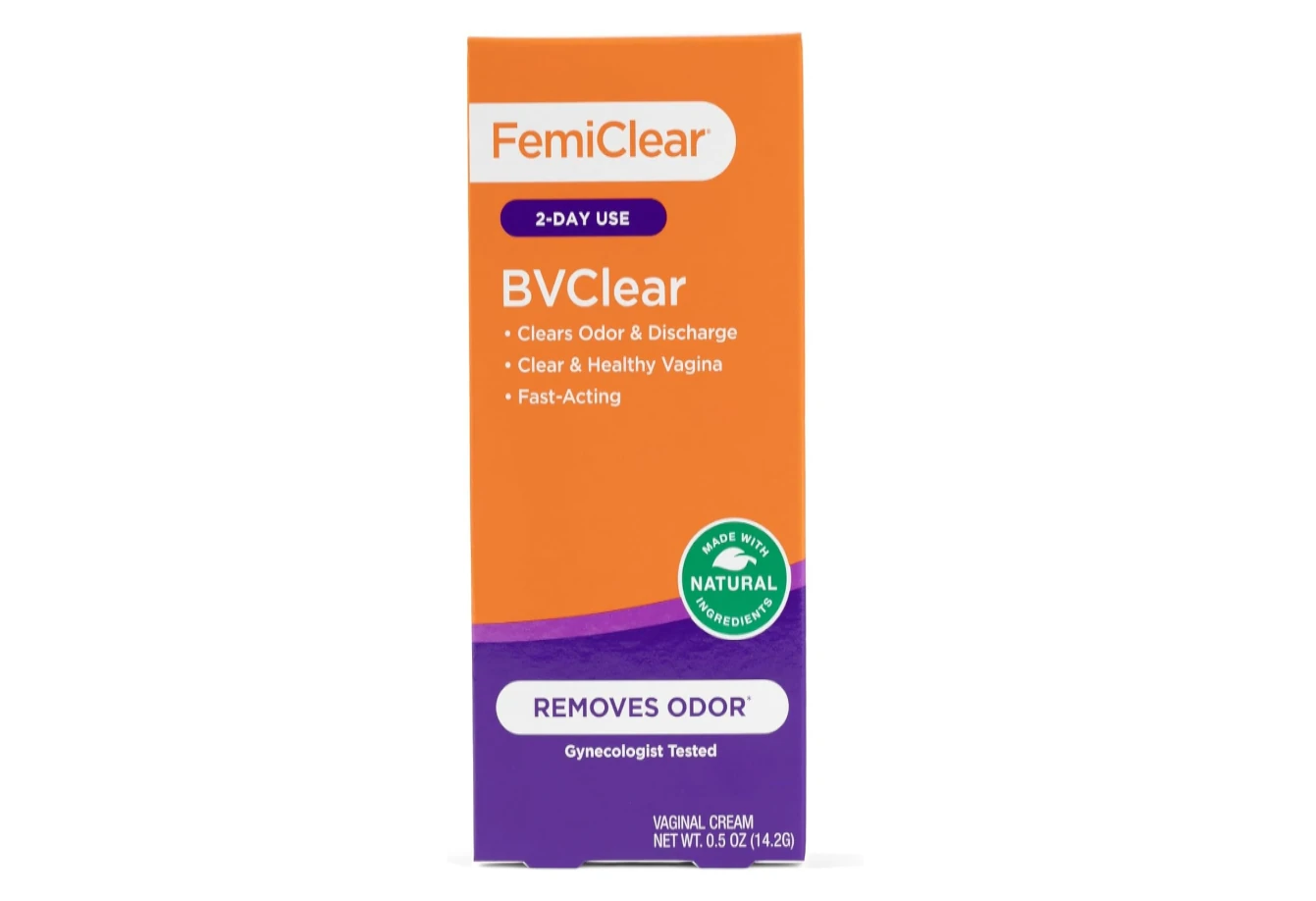
Yes, you can reduce herpes-related odors by maintaining good hygiene, using antiviral medications, and managing any secondary infections. Specific healthcare products that are designed to genital odor can reduce smell during an outbreak. Wearing breathable clothing and keeping the area dry also helps.
What does herpes smell like in women?
In women, herpes-related odor is often more noticeable and typically described as a stronger fishy or pungent smell due to the vaginal bacterial environment interacting with herpes discharge.
What does herpes smell like in men?
In men, herpes-related odor tends to be milder or less noticeable, sometimes described as a faint musky or fishy smell, especially if hygiene is not optimal during an outbreak.
Does herpes affect the smell of urine?
Herpes itself does not usually change the smell of urine, but sores near the urethra or secondary infections can sometimes cause urine to have an unusual odor.

Image: Bravado Labs Advanced Lysine Immune Boost
Bravado Labs Advanced Lysine Immune Boost
Why we love it:
- Verified Customer Favorite
- High Quality Ingredients
As an affiliate, we earn from qualifying purchases.
Recommended Supplements for Herpes Management
Simplix Viral Defense
Cold Sore & HSV Support
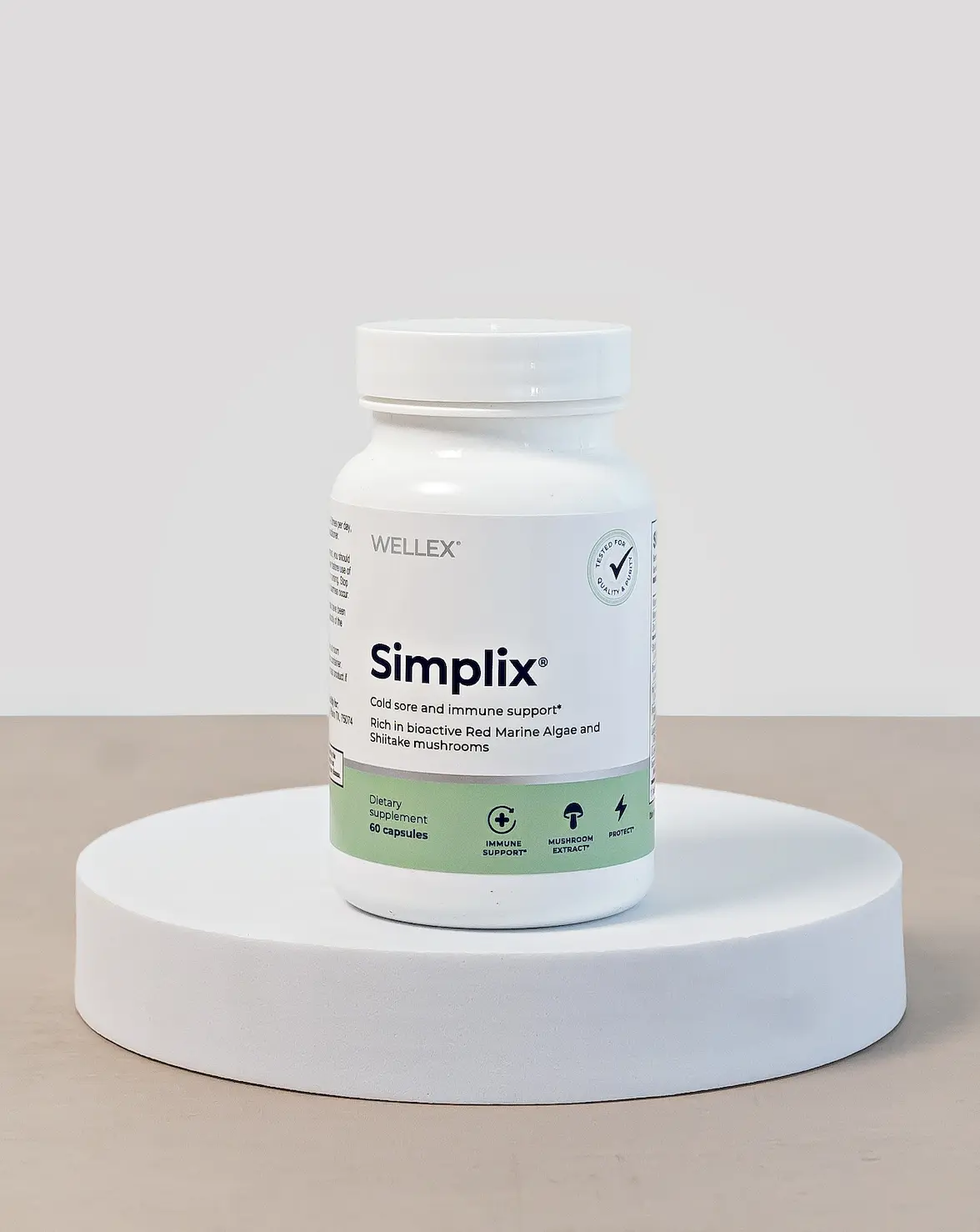
Simplix Viral Defense
Cold Sore & HSV Support
Synergistic formula combining L-Lysine, shiitake mushroom, and marine bioactives for comprehensive immune support.
SHOP NOW & SAVE 15%