In the United States, herpes simplex virus (HSV) infections affect millions, making it one of the most common sexually transmitted infections nationwide. HSV-1 primarily causes oral herpes, commonly known as cold sores, while HSV-2 is the main cause of genital herpes, transmitted sexually. Despite its prevalence, herpes remains incurable and can be transmitted even when no symptoms are present, complicating prevention efforts.
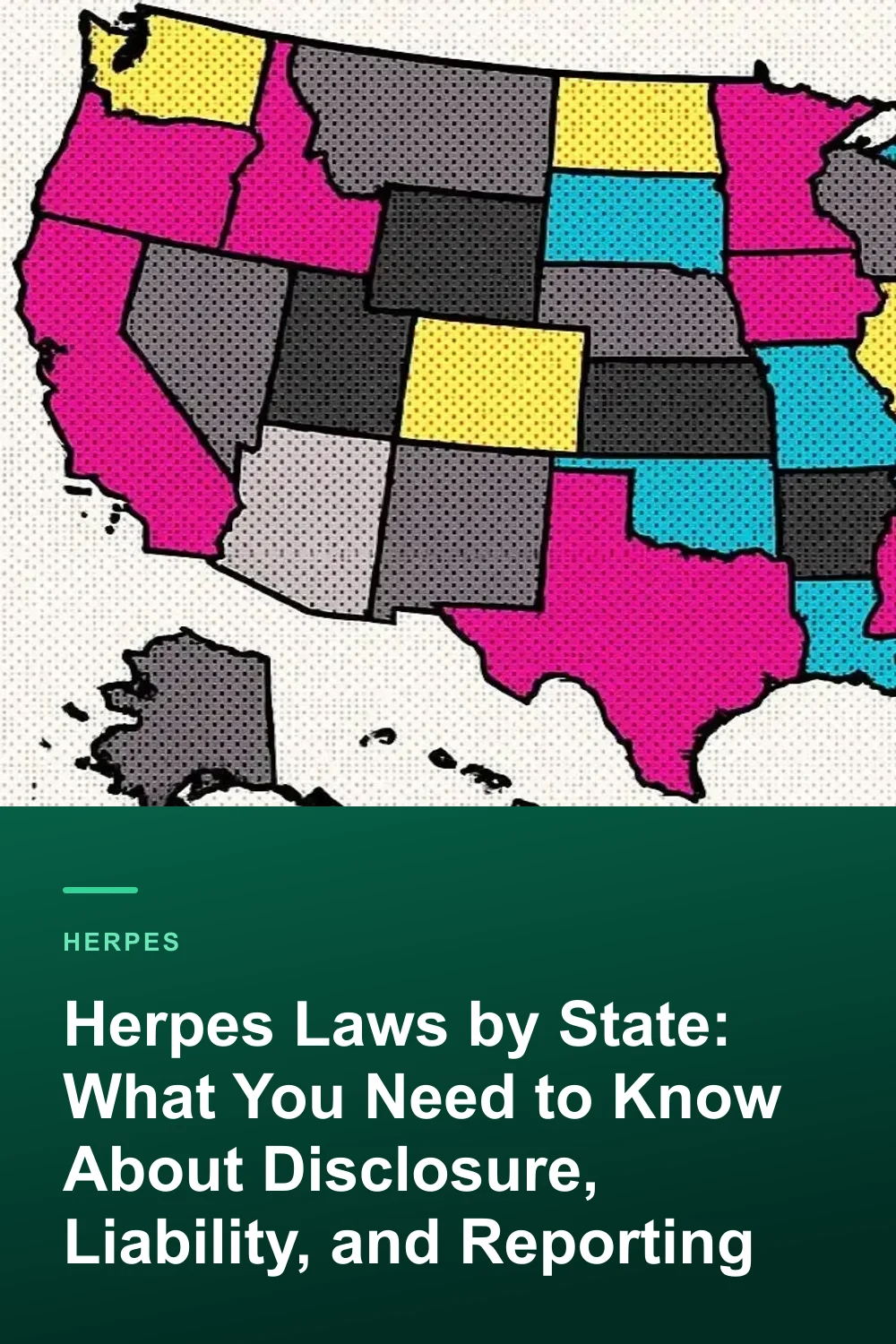
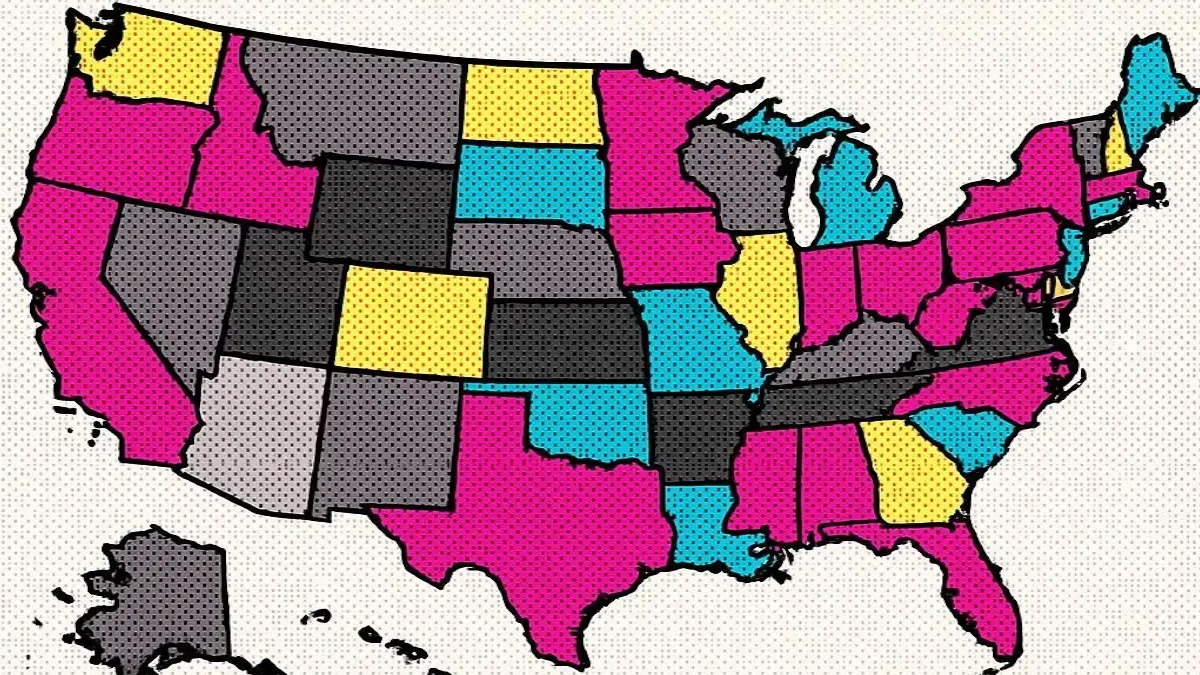
Legal obligations for disclosing herpes status vary significantly across states. Some states impose strict requirements and penalties for nondisclosure, while others have more lenient or no specific laws concerning herpes. The resulting patchwork of laws affects individuals’ responsibilities and protections in personal relationships and public health.
Understanding the nuances of herpes disclosure laws is vital for safe sexual relationships and avoiding legal consequences.
Simplix Viral Defense
Cold Sore & HSV Support

Simplix Viral Defense
Cold Sore & HSV Support
Synergistic formula combining L-Lysine, shiitake mushroom, and marine bioactives for comprehensive immune support.
SHOP NOW & SAVE 15%Disclosure laws vary widely by state
There is no comprehensive federal legislation governing herpes disclosure in the United States. Instead, each state has developed its own laws, often as part of broader sexually transmitted disease statutes or public health codes. These laws differ in approach and enforcement, ranging from criminal statutes to civil liabilities and reporting mandates.
Only a small subset of states explicitly requires people with herpes to inform sexual partners prior to sexual activity. In those states, failing to disclose can result in misdemeanor or felony charges, depending on circumstances such as intent and transmission. Many other states do not criminalize nondisclosure of herpes but recognize the right of partners to sue for damages through civil courts.
Healthcare providers’ obligations to report herpes infections to public health authorities also differ. Some states mandate reporting neonatal herpes cases, while most do not require routine herpes reporting. These variations reflect differing public health priorities and legal frameworks.
States with Strict Herpes Disclosure Laws
In the United States, only a handful of states have enacted stringent laws requiring people with herpes to disclose their status to sexual partners prior to any sexual activity. These laws are designed to promote informed consent and protect partners from nondisclosed exposure, reflecting public health priorities as well as individual rights.
The legal frameworks in these states vary, but generally include criminal penalties such as misdemeanors or felonies for failure to disclose, as well as civil liabilities allowing affected partners to sue for damages caused by transmission without prior notice.
Below is a detailed overview of the specific approaches and statutes in some of the strictest states regarding herpes disclosure:
California
California's Penal Code § 120290 requires individuals infected with herpes to disclose their status to sexual partners before sexual contact. Failure to disclose can lead to criminal prosecution for misdemeanor or felony charges, potentially including jail time and fines.
Additionally, California permits civil lawsuits for damages arising from nondisclosure, including medical expenses, emotional distress, and other related costs. The state also mandates healthcare providers to report certain STDs, including herpes in some contexts, to public health authorities to aid in disease surveillance and control.
Minnesota
Minnesota law (Minnesota Statute § 609.2241) mandates disclosure of herpes and other infectious diseases prior to sexual penetration. This statute is aimed at securing informed consent to protect partners.
Under this law, individuals who fail to disclose can face criminal charges unless they demonstrate they took reasonable precautions, such as using protection or receiving medical treatment. Civil claims for intentional or negligent transmission of herpes are also recognized and have been successfully litigated in Minnesota courts.
New York
New York places a strong emphasis on the principle of informed consent under its health laws. Although not all nondisclosures result in criminal charges, intentional or reckless transmission of herpes can lead to prosecution under assault laws.
The state also widely recognizes civil claims against partners who fail to disclose their herpes status, often resulting in settlements or court awards for damages. New York Public Health Law requires reporting of neonatal herpes infections for surveillance and prevention measures.
Texas
Texas law criminalizes the knowing transmission of herpes and other STDs and requires disclosure of one's herpes status before sexual contact. Failure to disclose can lead to felony or misdemeanor assault charges depending on the circumstances.
Civil remedies are also available for victims of undisclosed herpes transmission, enabling them to seek compensation for physical harm and emotional suffering. Texas health regulations support STD control through mandatory reporting and public education campaigns.
Herpes Disclosure Laws in Other States
Outside of the states with strict legal mandates for herpes disclosure, the majority of U.S. states do not have specific laws requiring individuals to inform their sexual partners that they have herpes. In most of these states, herpes is not criminalized for nondisclosure, and the legal framework often focuses primarily on higher-risk infections like HIV.
Despite the absence of criminal statutes, civil liability remains a possibility across most states. This means that partners who contract herpes without prior knowledge of their partner’s status may be able to file lawsuits seeking damages for physical harm, emotional distress, and medical costs.
Public health authorities typically do not require routine reporting of herpes cases, with exceptions mainly for neonatal herpes cases where infection can be life-threatening. States like Florida, Washington, and Nebraska have limited reporting mandates to aid in surveillance of neonatal cases and other critical public health situations.
In all states, regardless of legal obligations, open communication and voluntary disclosure are recommended best practices to protect both partners' health and support trust in relationships. Understanding one's responsibilities under local laws is important for those living with herpes to reduce legal risk and promote safer sexual health behaviors.
Herpes Disclosure Laws by State: Comparison Table
| State | Herpes Disclosure Legal Requirement | Criminal Penalties for Failure to Disclose | Civil Liability for Nondisclosure | Reporting Requirements for Herpes | Notes/Sources |
|---|---|---|---|---|---|
| Alabama | No | No | Yes | No | Reporting required for other STDs, not herpes |
| Alaska | No | No | Yes | No | Reporting focus on infectious diseases excluding herpes |
| Arizona | No | Possible misdemeanor for exposure | Yes | No | No explicit herpes disclosure laws |
| Arkansas | No | No | Yes | No | Herpes not reportable |
| California | Yes | Yes | Yes | Yes | Criminal penalties for willful transmission |
| Colorado | No | No | Yes | No | No herpes-specific laws; general STD control applies |
| Connecticut | No | No | Yes | Yes (neonatal herpes reporting) | Some neonatal herpes reporting mandates |
| Delaware | No | No | Yes | Yes (neonatal) | Limited reporting requirements for neonatal herpes |
| Florida | No | Possibly for HIV, not herpes | Yes | Yes | Some herpes reporting required |
| Georgia | No | Possible for HIV; herpes unclear | Yes | No | General STD laws apply |
| Hawaii | No | No | Yes | No | Focus on HIV confidentiality |
| Idaho | No | No | Yes | No | Herpes not reportable |
| Illinois | No | No | Yes | No | Civil liability possible |
| Indiana | No | Possible felony for HIV non-disclosure | Yes | No | Herpes disclosure unclear legally |
| Iowa | No | No | Yes | No | General STD laws, no herpes-specific statute |
| Kansas | No | No | Yes | No | General STD laws |
| Kentucky | No | No | Yes | No | General STD laws |
| Louisiana | No | No | Yes | Yes (neonatal herpes reporting) | Some reporting requirements for neonatal herpes |
| Maine | No | No | Yes | No | General STD laws |
| Maryland | No | No | Yes | No | General STD laws |
| Massachusetts | No | No | Yes | Yes (neonatal herpes reporting) | Some neonatal herpes reporting required |
| Michigan | No | No | Yes | No | Herpes disclosure laws unclear |
| Mississippi | No | No | Yes | No | General STD laws |
| Missouri | No | No | Yes | No | Civil liability possible |
| Montana | No | No | Yes | No | General STD laws |
| Nebraska | No | No | Yes | Yes | Herpes reporting mandated |
| Nevada | No | No | Yes | No | General STD laws |
| New Hampshire | No | No | Yes | No | General STD laws |
| New Jersey | No | No | Yes | No | General STD laws |
| New Mexico | No | No | Yes | No | General STD laws |
| New York | Yes | Likely yes | Yes | No | Disclosure mandated prior to sexual acts |
| North Carolina | No | No | Yes | No | General STD laws |
| North Dakota | No | No | Yes | No | General STD laws |
| Ohio | No | No | Yes | No | General STD laws |
| Oklahoma | No | No | Yes | No | General STD laws |
| Oregon | No | No | Yes | No | General STD laws |
| Pennsylvania | No | No | Yes | No | General STD laws |
| Rhode Island | No | No | Yes | No | General STD laws |
| South Carolina | No | No | Yes | No | General STD laws |
| South Dakota | No | No | Yes | No | General STD laws |
| Tennessee | No | No | Yes | No | General STD laws |
| Texas | Yes | Yes | Yes | No | Criminal penalties; disclosure required |
| Utah | No | No | Yes | No | General STD laws |
| Vermont | No | No | Yes | No | General STD laws |
| Virginia | No | No | Yes | No | General STD laws |
| Washington | No | No | Yes | Yes | Mandatory herpes reporting for health providers |
| West Virginia | No | No | Yes | No | General STD laws |
| Wisconsin | No | No | Yes | No | General STD laws |
| Wyoming | No | No | Yes | No | General STD laws |
Disclose before sex, whatever your state requires
Understanding herpes disclosure laws in your state is essential for protecting yourself legally and ethically. Key points to remember:
- Know your state's laws: Check if your state explicitly requires herpes disclosure. If it does, failure to disclose can result in criminal or civil liability.
- Open communication is always best: Regardless of legal requirements, honest disclosure with sexual partners promotes trust and reduces transmission risk.
- Civil liability exists in all states: Even if your state doesn't criminalize nondisclosure, partners can sue for damages. Voluntary disclosure protects you legally and ethically.
- Get legal guidance if needed: If you live in a state with strict disclosure laws or are uncertain about your obligations, consult a healthcare provider or attorney.
- Treatment reduces transmission risk: Using antiviral medications, maintaining good health, and managing outbreaks all reduce transmission risk and show good faith in relationships.
- Stay informed: Laws change, so periodically review your state's current statutes to remain compliant with any updates.
Herpes Disclosure Laws FAQs
What states have the strictest herpes disclosure laws?
California, Minnesota, New York, and Texas have the most stringent laws explicitly requiring herpes disclosure. Failure to disclose in these states can result in criminal charges (misdemeanor or felony) and civil liability.
Can I be criminally charged for not disclosing herpes?
Only in a handful of states (California, Minnesota, New York, Texas) can nondisclosure result in criminal charges. In other states, criminal liability focuses on HIV rather than herpes, though civil suits may still be possible.
What is "civil liability" for herpes nondisclosure?
Civil liability means an affected partner can sue you for damages, including medical expenses, emotional distress, and other losses resulting from contracting herpes without knowledge of your status. This is possible in virtually all states.
Does using protection reduce my legal disclosure obligation?
In some states like Minnesota, using protection or receiving medical treatment may reduce criminal liability. However, most jurisdictions still recommend disclosure regardless of protection use, as no barrier method is 100% effective.
What if I don't know I have herpes?
If you're unaware of your herpes status, you cannot be held liable for nondisclosure. However, if you have symptoms or suspect herpes, getting tested is important for your health and to avoid potential legal issues.
Can herpes be transmitted through oral sex, and does that affect disclosure laws?
Yes, HSV-1 (typically oral herpes) can be transmitted through oral sex, including to genital areas. State laws vary in how they address different transmission routes, so check your specific state's statute for clarity.
Should I tell my partner if I have HSV-1 (cold sores)?
Yes, voluntary disclosure is recommended for HSV-1, even if not legally required in your state. HSV-1 can spread to genital areas through oral contact, and your partner deserves to know for informed decision-making.
Is there a statute of limitations for herpes transmission lawsuits?
Yes, each state has a statute of limitations for civil lawsuits, typically ranging from 1-4 years after transmission or discovery of the infection. The specific timeframe depends on your state's laws.
What should I do if my partner discloses herpes to me?
Thank them for their honesty. Get tested if needed, discuss prevention strategies (condoms, antivirals, avoiding sex during outbreaks), and have an open conversation about risk management together.

Image: Bravado Labs L-Lysine Cold Sore Treatment
Bravado Labs L-Lysine Cold Sore Treatment
Why we love it:
- Verified Customer Favorite
- High Quality Ingredients
As an affiliate, we earn from qualifying purchases.