Herpes simplex virus (HSV) is a common viral infection that can have implications for male reproductive health. Although many men carry the virus without symptoms, HSV can be present in semen and may influence several semen characteristics linked to fertility.
These effects are often due to the virus's ability to induce inflammation and damage in the reproductive tract. Research shows that HSV infection can lead to changes in sperm count, motility, and morphology, which are crucial factors for successful fertilization. The inflammation caused by the virus may interfere with sperm production and transport, creating potential challenges for conception.
In some cases, HSV infection is asymptomatic but still present in seminal fluid, subtly affecting sperm quality.
Additionally, HSV can trigger immune responses that produce antibodies against sperm, further impacting sperm function and reproductive potential.
Despite these risks, not all men with HSV experience fertility issues, and antiviral treatments can help reduce viral load and mitigate these effects.
How HSV Affects Sperm Count and Motility
One of the primary effects of HSV on male fertility is the reduction of sperm count. Studies have commonly found that men with HSV DNA detected in their semen often exhibit lower sperm concentrations compared to those without the virus.
The reduction can decrease the overall chances of natural conception. HSV also negatively affects sperm motility—the ability of sperm to swim effectively towards an egg. The virus-induced inflammation and oxidative stress can damage sperm cells, limiting their movement and ability to fertilize an egg.
Poor sperm motility is a significant factor contributing to male infertility.
While the impact on sperm morphology (shape and structure) varies across studies, HSV infection generally compromises multiple sperm quality parameters.
Managing HSV infection with antiviral medication may improve these semen characteristics, potentially enhancing fertility outcomes for affected men.
The Impact of HSV on Sperm Count and Motility
Herpes simplex virus (HSV) infection can lead to reductions in sperm count, also known as oligospermia, which may significantly impair male fertility. Studies have detected HSV DNA in semen samples from men experiencing lower sperm concentrations than those without the infection.
This impacts the overall fertility potential by reducing the number of sperm available to fertilize an egg. HSV also negatively affects sperm motility—the ability of sperm to move properly towards an egg. Viral infection can cause inflammation and oxidative stress within the reproductive tract, damaging the sperm cells and limiting their motility.
Poor motility is a major cause of male infertility as it prevents sperm from reaching and fertilizing the egg efficiently.
Though there is less conclusive evidence about HSV's impact on sperm morphology (shape), the general scientific consensus is that HSV compromises sperm quality along multiple parameters, including count and motility.
HSV and Sexual Health: Implications for Fertility
Herpes simplex virus (HSV) infection can affect male fertility not only through direct impacts on semen quality but also by influencing sexual function and psychological well-being. Pain and discomfort caused by genital herpes outbreaks may reduce sexual desire and intercourse frequency, which can indirectly lower the chances of conception. Moreover, psychological stress related to recurrent HSV symptoms can contribute to sexual dysfunctions such as erectile dysfunction (ED). ED can hinder the ability to achieve ejaculation and deposit sperm in the female reproductive tract, further complicating fertility efforts.
While premature ejaculation is generally not caused by HSV itself, the emotional and physical effects of the infection may exacerbate preexisting sexual dysfunctions and cause difficulties during sexual activity.
For men diagnosed with HSV, understanding the potential fertility implications and working closely with healthcare providers is essential. Early detection and treatment with antiviral medications can significantly mitigate the adverse effects on sperm quality and reduce viral transmission risk. Maintaining a healthy lifestyle, managing stress, practicing safe sex, and seeking psychological support when needed can all contribute to better sexual health and fertility outcomes. Open communication with partners about HSV status and fertility concerns is important to navigate conception challenges effectively.
Regular follow-ups with a fertility specialist or urologist can help monitor semen parameters and address any arising issues promptly, increasing the chances of successful conception despite HSV infection.

Herpes and Male Fertility FAQs
Can herpes cause infertility in men?
Herpes simplex virus (HSV) infection can reduce sperm count and affect sperm quality, which may contribute to reduced fertility in some men. However, it does not typically cause complete infertility, and many men with HSV can still conceive naturally.
Does herpes reduce sperm count?
Yes, studies have shown that HSV infection is associated with a decrease in sperm count and motility. This reduction can make it harder for couples to conceive, but it is not an absolute barrier to fertility.
Can herpes cause premature ejaculation or affect ejaculation?
Herpes does not directly cause premature ejaculation or affect ejaculation. However, outbreaks can cause pain and psychological stress, which might indirectly affect sexual performance including ejaculation.
Is HSV present in semen even without symptoms?
Yes, HSV can be present in semen even when no symptoms are visible (asymptomatic shedding). This can still affect sperm quality and transmission risk.
Can antiviral treatment improve fertility in men with herpes?
Antiviral medications can reduce HSV viral load and outbreaks, which may help improve sperm quality and overall fertility outcomes. Treatment should be discussed with a healthcare provider.
Can herpes be transmitted to a partner during conception attempts?
Yes, HSV can be transmitted through sexual contact even when no symptoms are present. Safer sex practices and medical advice are important to reduce transmission risks during conception.

Image: Bravado Labs Advanced Lysine Immune Boost
Bravado Labs Advanced Lysine Immune Boost
Why we love it:
- Verified Customer Favorite
- High Quality Ingredients
As an affiliate, we earn from qualifying purchases.
Recommended Supplements for Herpes Management
Simplix Viral Defense
Cold Sore & HSV Support
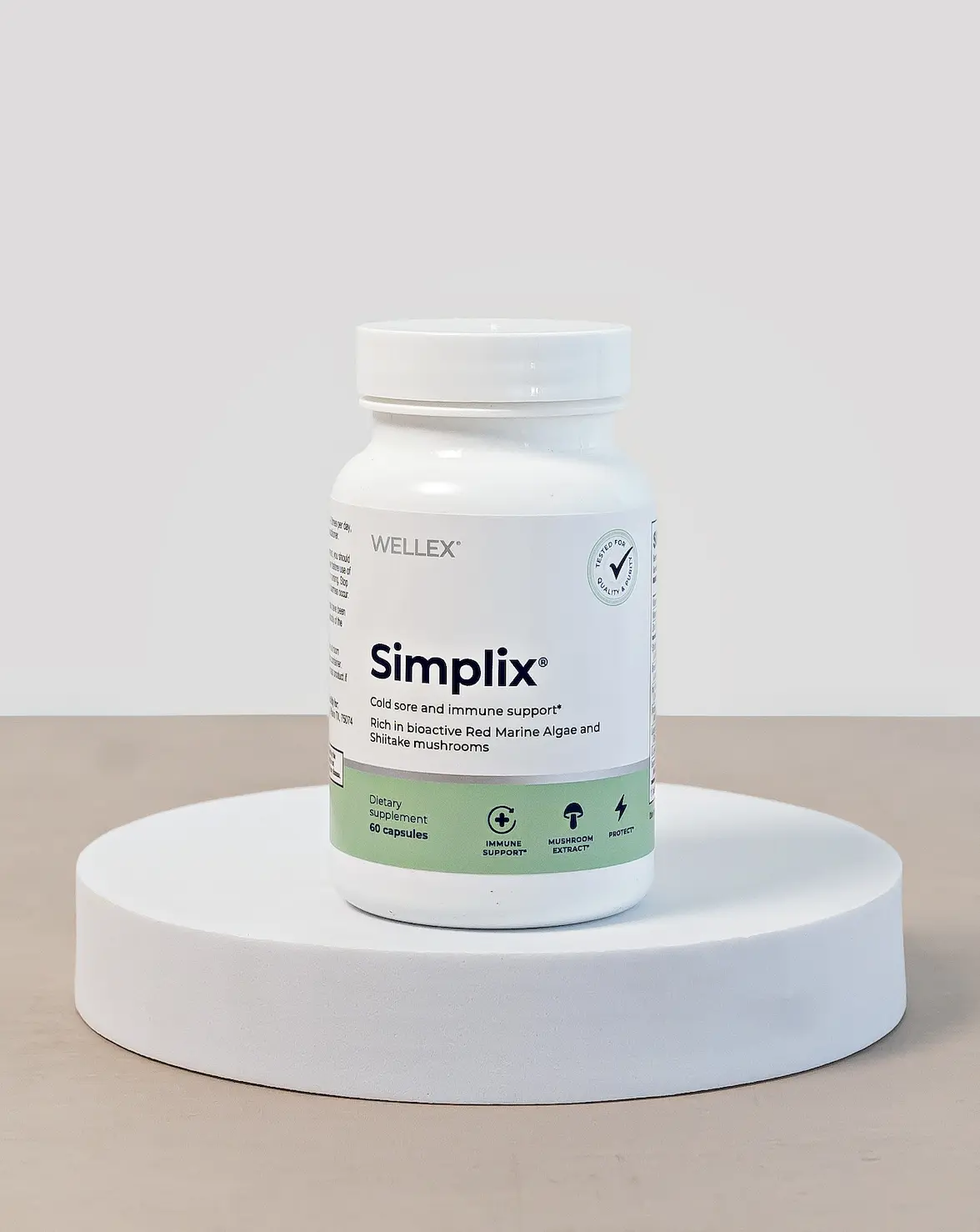
Simplix Viral Defense
Cold Sore & HSV Support
Synergistic formula combining L-Lysine, shiitake mushroom, and marine bioactives for comprehensive immune support.
SHOP NOW & SAVE 15%