Herpes simplex virus (HSV) remains one of the most common viral infections in the world as of 2026—yet it remains widely misunderstood due to persistent social stigma.
However, the hard numbers tell a different story: herpes is not a niche condition but a ubiquitous part of human biology affecting individuals across every demographic, socioeconomic status, and geographic location.
This article presents the most current 2026 epidemiological data and statistics on HSV infection, examining global prevalence, transmission patterns, economic impact, and public health implications.
By looking at the evidence objectively, we can move past stigma toward a more clinical and compassionate understanding of this common virus.
Global Prevalence in 2026: By the Numbers
The latest 2026 data from the World Health Organization (WHO) and CDC reveals the true scale of HSV infection globally. These figures often surprise newly diagnosed individuals:
| Virus Type | Estimated Prevalence (Under Age 50) | Primary Manifestation | Geographic Range |
|---|---|---|---|
| HSV-1 | 3.7 billion (67%) | Oral "cold sores" & genital herpes | 40-60% (high-income); up to 90% (low-income) |
| HSV-2 | 491 million (13%) | Genital herpes (primarily) | 10-30% (developed); 40-60% (sub-Saharan Africa) |
| Combined Genital HSV | 850 million–1 billion | Genital herpes (HSV-1 or HSV-2) | Varies by region; 13-50% of adults |
Key insight: When combined, genital HSV affects nearly 1 billion individuals globally—making it more common than chlamydia and significantly more prevalent than gonorrhea or syphilis. Women are disproportionately affected, with HSV-2 prevalence approximately 1.5–2 times higher in women than men across most populations.
Age patterns: HSV-1 is typically acquired during childhood (median age 10–15 years in developed countries), while HSV-2 acquisition peaks in the 20–30 age range after sexual debut. By age 50, approximately 90% of the global population has been exposed to HSV-1, and 25–30% to HSV-2.
The Epidemiological Shift: The Rise of Genital HSV-1
A defining epidemiological trend in 2026 is the continuing shift toward genital HSV-1 in developed nations—a change that has major implications for how clinicians counsel patients and how the public thinks about herpes transmission.
Historical baseline: In the late 20th century, approximately 80% of genital herpes cases were caused by HSV-2. By 2026, this ratio has shifted dramatically in developed countries.
What's driving the change: Improved childhood hygiene and smaller family sizes in high-income countries mean fewer children are exposed to HSV-1 orally. As recently as the 1970s–1990s, 80–90% of children in developed nations acquired HSV-1 by age 15. Today, that rate has dropped to 30–50%. The result: far more young adults enter their sexually active years without HSV-1 immunity. When exposed through oral sex, these seronegative individuals are highly susceptible to acquiring genital HSV-1.
Current snapshot: In 2026, HSV-1 now accounts for 40–60% of first-episode genital herpes cases in North America and Northern Europe—up from 15–20% a decade ago. In some urban centers, HSV-1 has surpassed HSV-2 as the leading cause of first-time genital outbreaks among college-aged populations.
Clinical implications: Primary genital HSV-1 typically causes more severe initial symptoms than HSV-2 (because patients lack prior oral immunity). However, genital HSV-1 recurs less frequently—averaging 1–3 episodes annually compared to 4–6 for HSV-2. This lower recurrence rate reflects both viral biology and host immune factors that are still not fully understood.
Transmission Dynamics: The Asymptomatic Shedding Reality
One of the most misunderstood aspects of herpes in 2026 is how transmission actually occurs. Most people assume transmission happens during visible outbreaks, but epidemiological data tells a very different story.
The asymptomatic shedding challenge: Approximately 50–70% of HSV-2 transmission occurs when the source partner has no visible sores and no symptoms—a phenomenon called asymptomatic viral shedding. This is the single most important factor driving ongoing HSV-2 transmission despite the availability of antivirals and barrier methods.
Shedding frequency by virus type:
- HSV-2: Sheds asymptomatically on approximately 10–20% of days in symptomatic individuals, though rates typically decrease over time as the person's immune system improves control. Some studies suggest rates as low as 5–10% after several years of infection.
- Genital HSV-1: Sheds significantly less frequently than HSV-2—typically on only 3–5% of days, even in the early stages of infection.
What this means for transmission risk: A sexual partner of someone with HSV-2 faces approximately a 3–5% annual risk of acquisition even with consistent condom use and no recognized outbreaks. This persistent risk—driven entirely by asymptomatic shedding—explains why HSV-2 remains endemic in populations worldwide despite education campaigns and available prevention methods.
Prevention impact: Suppressive antiviral therapy (acyclovir or valacyclovir taken daily) reduces HSV-2 transmission risk by approximately 48% and asymptomatic shedding frequency by 73–90%. Condom use reduces transmission risk by only 25–30% because HSV can shed from skin areas not covered by condoms.
Economic and Public Health Burden
The impact of HSV extends far beyond individual suffering, creating substantial economic drain and public health priorities:
Direct medical costs: The annual global healthcare expenditure directly attributable to HSV is estimated at \$8–12 billion (2025–2026 data), including:
- Antiviral medications: \$1,600–\$2,400 per patient annually (U.S.)
- Diagnostic testing and clinical consultations
- Neonatal herpes treatment and complications
- HSV-associated encephalitis, keratitis, and other complications
Total economic burden: When including lost productivity, absenteeism, disability, and quality-of-life impacts, the global annual cost reaches \$30–40 billion. Symptomatic individuals lose an average of 2–5 workdays per outbreak, with symptomatic recurrences averaging 3–8 times annually.
The HSV-HIV nexus: From a global health perspective, the most critical HSV statistic is its relationship to HIV transmission. Individuals with HSV-2 have a 2–3 fold increased risk of acquiring HIV if exposed, driven by:
- Genital ulceration creating breaks in mucosal barrier integrity
- HSV reactivation recruiting CD4+ T-cells to genital tissues (providing target cells for HIV)
- Higher genital HSV viral loads associated with increased HIV susceptibility
Neonatal Herpes: A Serious but Preventable Risk
Neonatal herpes—infection acquired by a newborn during delivery—remains a top priority for maternal-fetal medicine in 2026, despite being rare and largely preventable.
Epidemiological scope: Approximately 1 in 1,000 to 1 in 3,000 newborns are affected in developed countries; globally, an estimated 150,000 cases occur annually (many undiagnosed in resource-limited settings).
Transmission risk varies dramatically by maternal history:
- Primary maternal HSV infection late in third trimester: 30–50% transmission risk (highest because mother lacks protective antibodies)
- Recurrent maternal HSV: 3–5% transmission risk
- Asymptomatic shedding: 1–3% transmission risk
Clinical severity if untreated:
- 25–30% develop disseminated disease (affecting liver, lungs, brain)
- 30–40% develop CNS involvement (meningitis, encephalitis)
- Untreated mortality: up to 70%
- Survivors frequently experience permanent neurological sequelae (developmental delay, cerebral palsy, blindness)
Prevention strategy in 2026: Standard care includes universal maternal HSV serological screening, daily suppressive antiviral therapy (acyclovir 400 mg TID) from week 36 gestation in women with known genital HSV, and cesarean section delivery for those with active lesions or prodromal symptoms at labor onset (reducing transmission risk to <1%).
Vaccine impact: Mathematical modeling suggests that vaccinating 70% of women before pregnancy could reduce neonatal herpes cases globally by 60–80%.
Testing, Diagnosis, and the False Positive Issue
A major source of confusion for patients in 2026 is the accuracy and interpretation of HSV blood tests—particularly the rate of false positive results in low-index-value ranges.
The IgG testing challenge: Standard HSV-1 and HSV-2 IgG antibody tests (the most common serological assays) have varying accuracy depending on the assay type and result range. Low-positive results (index values between 1.1 and 3.5) carry substantially higher false-positive rates than high-positive results.
Confirmatory testing recommendations: The CDC recommends that low-positive HSV-2 results (and sometimes HSV-1) should be confirmed with more specific tests such as Western Blot or other reference laboratory assays before counseling patients regarding their diagnosis. Many high-quality labs now automatically reflex low-positive results to confirmatory testing to reduce diagnostic uncertainty.
Important screening note: The CDC does not recommend routine HSV serology screening in asymptomatic individuals without symptoms or risk factors, as the psychological distress of a false-positive diagnosis often outweighs clinical benefits. Targeted screening is recommended for:
- Pregnant women (particularly in third trimester)
- Individuals with genital symptoms
- Sexual partners of known HSV-positive individuals
- People with indicators of immunosuppression
Testing strategy takeaway: If you receive a low-positive HSV result, ask your healthcare provider whether confirmatory testing has been performed or should be ordered before making major decisions about disclosure, sexual behavior, or pregnancy planning.
Psychological and Social Impact: Beyond the Physical Symptoms
While the physical symptoms of herpes are often manageable, the psychological and social burden frequently exceeds the medical impact—driven largely by social stigma rather than the virus itself.
Mental health statistics for newly diagnosed individuals:
- Over 70% report intense initial shame or feelings of being "dirty"
- Approximately 40% experience clinical anxiety or depressive symptoms in the first 6 months post-diagnosis
- However, 90% report that after 2 years, the virus has minimal impact on daily life and dating prospects
Stigma's practical impact: Approximately 40–50% of HSV-2 infected individuals report feeling shame or embarrassment about diagnosis, leading many to avoid:
- Disclosing to sexual partners (enabling continued transmission)
- Seeking medical care or counseling
- Seeking psychological support for depression/anxiety
- Participating in clinical trials or public health initiatives
Quality of life metrics for symptomatic individuals:
- Average of 4–5 symptomatic outbreaks annually (range 1–10+)
- Mean outbreak duration: 7–10 days
- Significant pain and discomfort during episodes
- Sexual activity restrictions during and around outbreaks
- Reduced work productivity during severe episodes
The destigmatization imperative: Herpes education must address not just medical facts but also the psychological impact of stigma. Evidence shows that providing accurate prevalence statistics—demonstrating that herpes is a common, manageable condition—reduces psychological burden and improves health-seeking behavior.
Summary: Herpes in 2026—The Core Facts
As we move deeper into 2026, several key facts define the epidemiological and public health landscape of herpes:
The prevalence reality: Herpes is statistically normal. With 67% of people under 50 carrying HSV-1 and 13% living with HSV-2, infection is more common than asthma, type 2 diabetes in young adults, or seasonal allergies. The virus does not discriminate based on behavior, education, income, or sexual history.
The transmission truth: Most HSV-2 transmission occurs during asymptomatic periods—making disclosure and suppressive therapy critical prevention tools, but also explaining why the virus remains endemic despite available prevention methods.
The emerging epidemiological shift: Genital HSV-1 is rising in developed nations, reflecting improved childhood hygiene and reduced early-life HSV-1 exposure. This shift has major clinical implications for recurrence patterns and patient counseling.
The vaccine horizon: While a licensed herpes vaccine is not expected before 2030–2032, such a vaccine would dramatically reduce neonatal herpes, decrease HSV-2 transmission rates, and support global HIV prevention efforts.
The destigmatization necessity: Accurate statistics demonstrate that herpes is not a marker of poor judgment or sexual irresponsibility. By normalizing the conversation around HSV—grounded in epidemiological evidence—we can reduce unnecessary psychological trauma, improve health-seeking behavior, encourage partner disclosure, and ultimately support better sexual health outcomes for billions of people living with this common virus.

Image: Bravado Labs Advanced Lysine Immune Boost
Bravado Labs Advanced Lysine Immune Boost
Why we love it:
- Verified Customer Favorite
- High Quality Ingredients
As an affiliate, we earn from qualifying purchases.
Recommended Supplements for Herpes Management
Simplix Viral Defense
Cold Sore & HSV Support
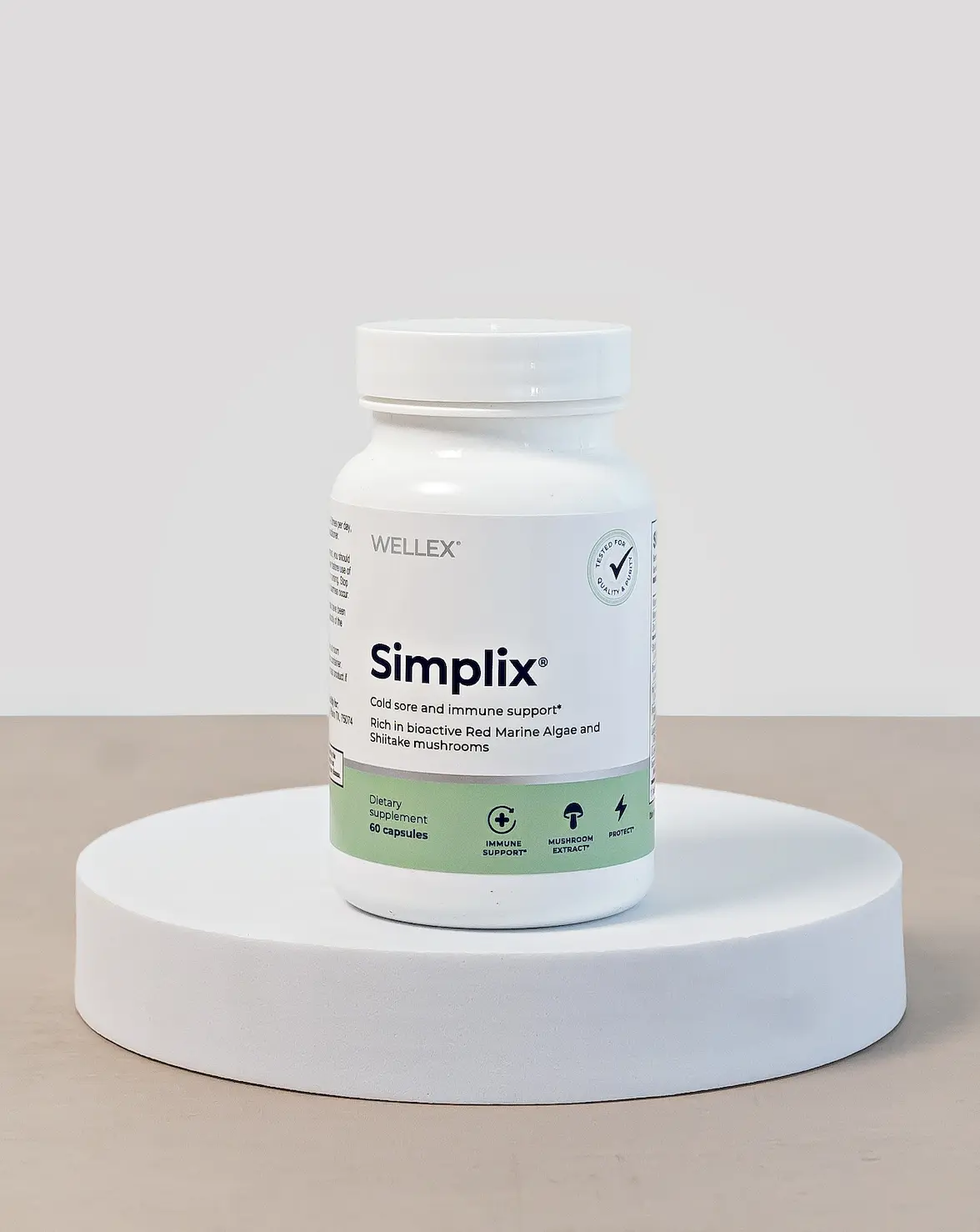
Simplix Viral Defense
Cold Sore & HSV Support
Synergistic formula combining L-Lysine, shiitake mushroom, and marine bioactives for comprehensive immune support.
SHOP NOW & SAVE 15%