The year 2025 is seen as a pivotal moment for herpes research due to several promising clinical trials and advancements in diagnostic technologies.While there isn't a confirmed cure yet, recent advancements in gene editing and therapeutic vaccines are generating optimism.
HSV infections can lead to recurrent, painful genital lesions (genital ulcer disease), increased risk of HIV acquisition and transmission, and neonatal herpes, which has a high fatality rate. HSV-1 can also cause serious complications, including neurological, corneal, and mucocutaneous conditions.
Current treatments manage symptoms but do not offer a cure. The main challenge lies in targeting the latent virus and ensuring the immune system can effectively eliminate it, though significant advancements in research have brought hope closer than ever.
Recent Research Developments
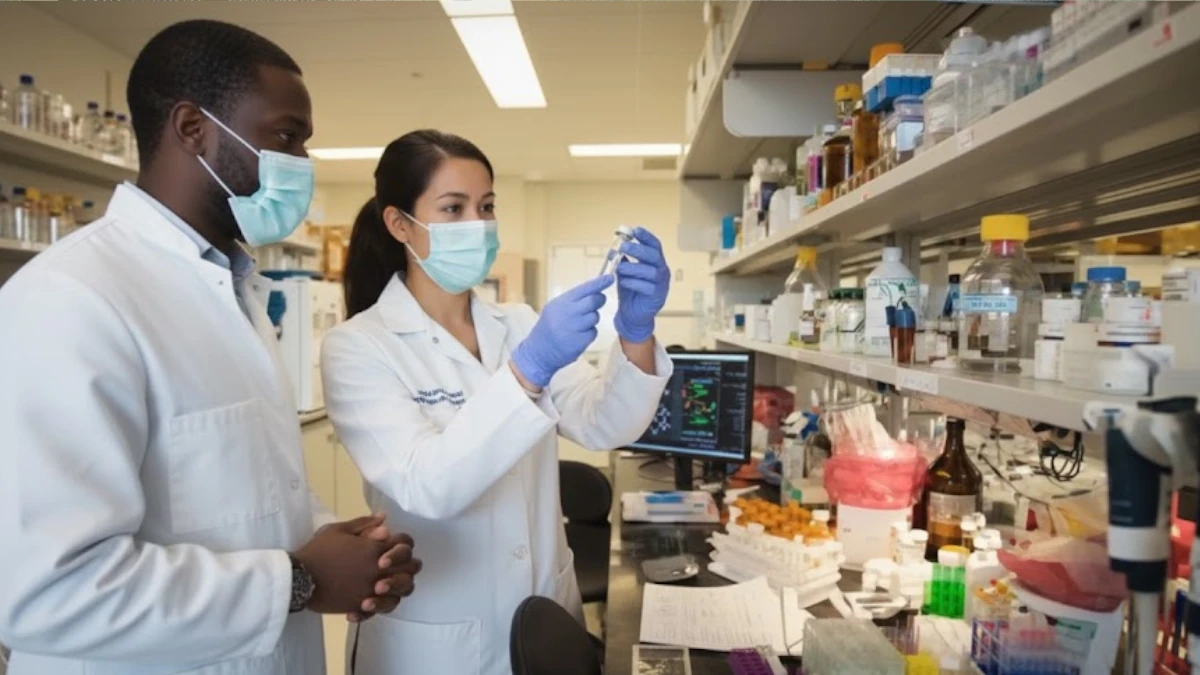
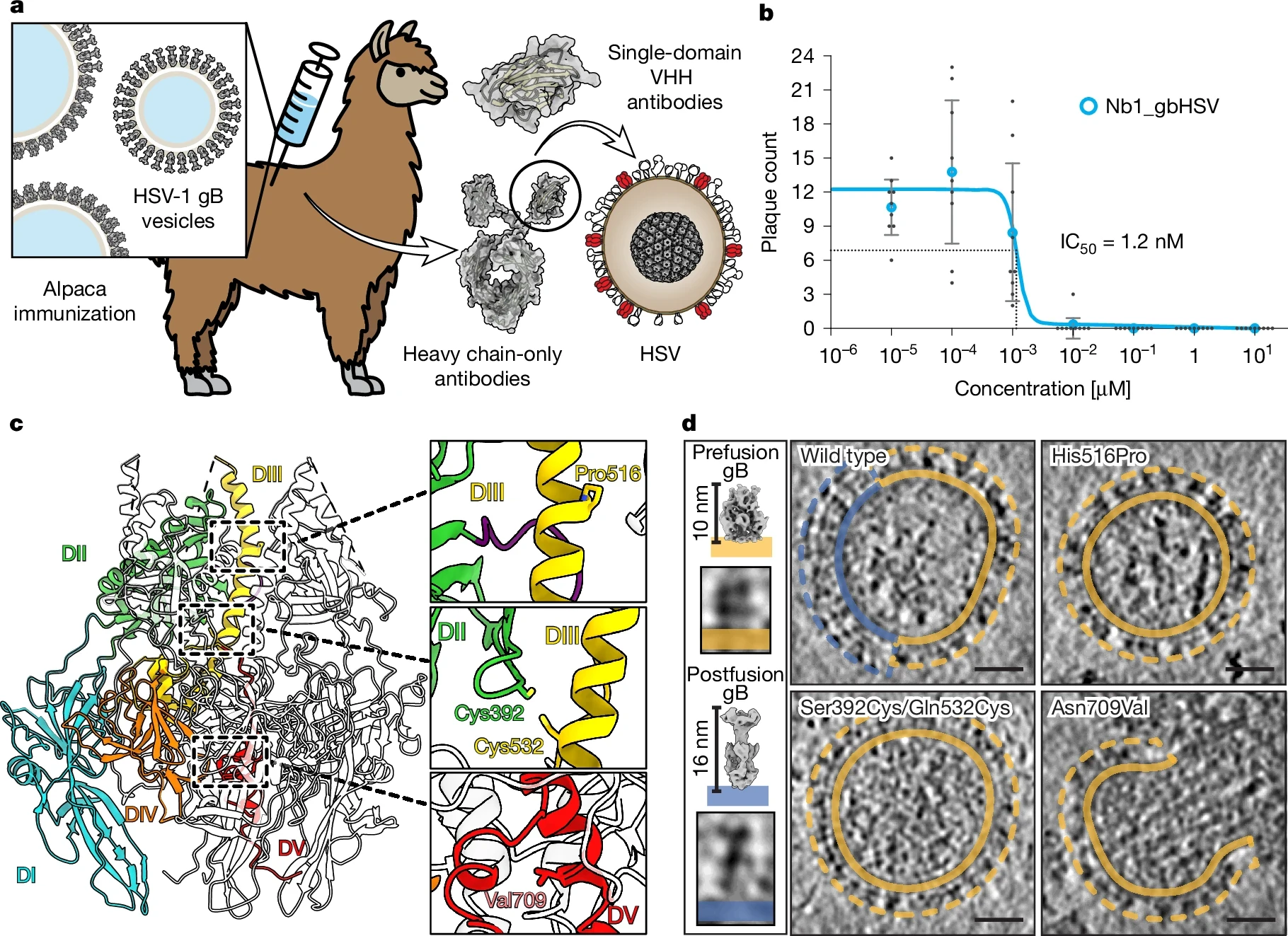
Researchers at Fred Hutch Cancer Center have developed an experimental gene-editing therapy that has shown remarkable success in preclinical studies.Using a "molecular scissors" approach, this therapy targets and damages HSV DNA, reducing the virus by over 90% in lab mice.
It also decreases viral shedding, potentially lowering transmission risks.While these results are groundbreaking, human clinical trials are still in preparation stages, making it unlikely that this therapy will be widely available in 2025.
A Vaccine for Herpes May Be Close
Pharmaceutical companies like Moderna and BioNTech are conducting early-stage clinical trials for HSV vaccines. Moderna's mRNA-1608 vaccine, targeting HSV-2, is currently in Phase 1/2 trials with a projected completion date of April 2025.
This vaccine aims to induce a strong immune response by combining neutralizing antibodies and cell-mediated immunity, potentially providing cross-protection against HSV-1 and preventing both genital lesions and viral latency in the dorsal root ganglia.
Meanwhile, BioNTech's BNT163 vaccine, in Phase 1 trials, encodes three HSV-2 glycoproteins designed to block viral entry and counteract its immunosuppressive properties.
Historically, developing effective vaccines has been challenging due to the virus's ability to persist in the body and evade immune responses.
A $35 Billion Global Issue
Approximately 67% of the world's population aged 0-49 years are infected with HSV-1.
HSV-1 is typically acquired orally in childhood and can cause oral herpes (cold sores).
Around 13% of the world's population aged 15-49 years are living with HSV-2.
HSV-2 is primarily transmitted through sexual contact and causes genital herpes.
In total, nearly 846 million individuals globally are estimated to be living with genital herpes (both HSV-1 and HSV-2), highlighting the widespread nature of this infection.
A study published in BMC Global and Public Health estimated the global economic burden of genital HSV-2 and HSV-1 infections to be $35.3 billion in 2016, with genital HSV-2 alone accounting for about $31.2 billion of this total.Current estimates suggest that even conservative treatment approaches incur costs upwards of $16.5 billion annually due to symptomatic episodes and ongoing medical care for HSV-2 infections.

Image: Bravado Labs Advanced Lysine Immune Boost
Bravado Labs Advanced Lysine Immune Boost
Why we love it:
- Verified Customer Favorite
- High Quality Ingredients
As an affiliate, we earn from qualifying purchases.
Recommended Supplements for Herpes Management
Simplix Viral Defense
Cold Sore & HSV Support
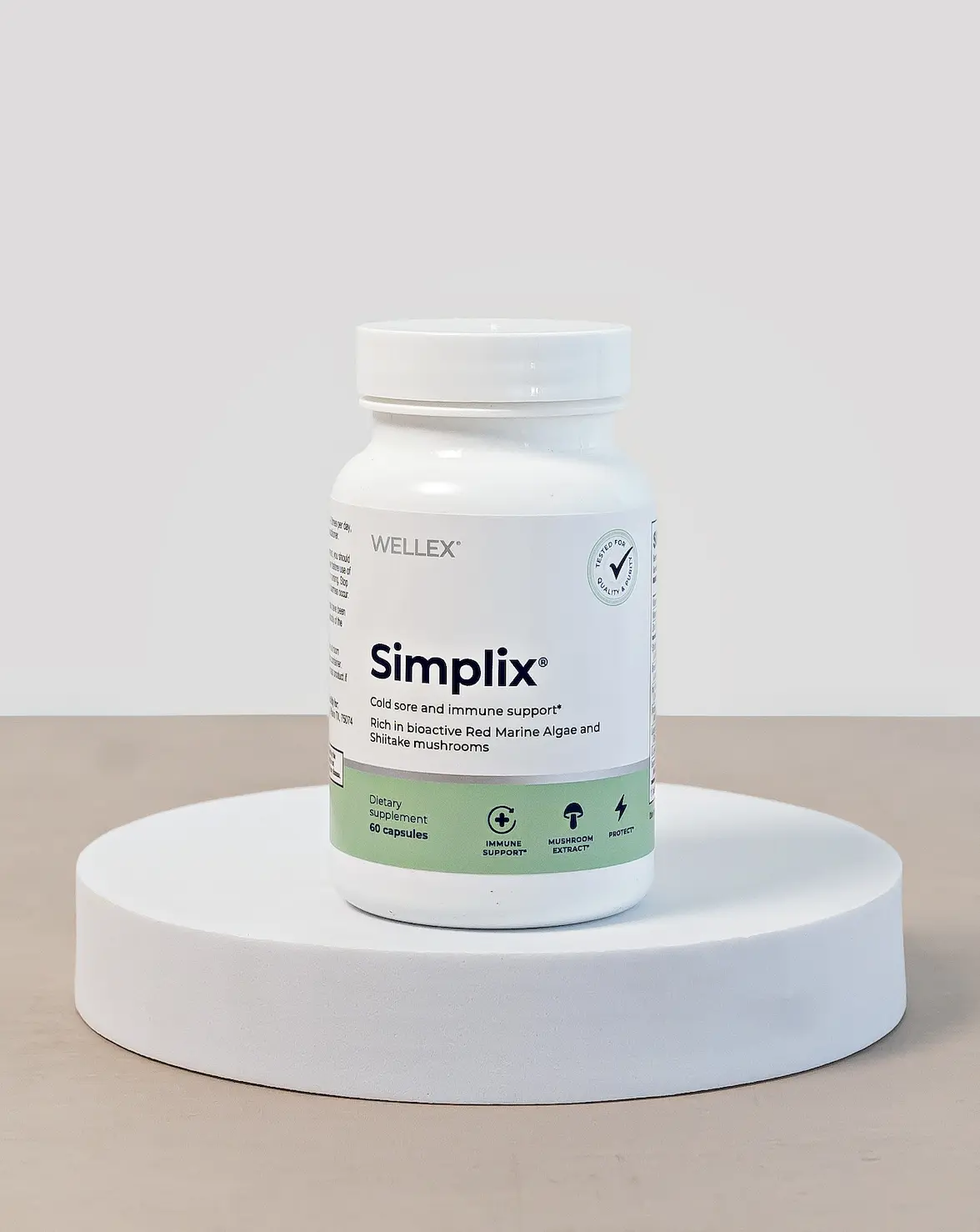
Simplix Viral Defense
Cold Sore & HSV Support
Synergistic formula combining L-Lysine, shiitake mushroom, and marine bioactives for comprehensive immune support.
SHOP NOW & SAVE 15%