Exercise plays a significant role in overall health and immune function, which are critical factors in managing herpes simplex virus (HSV) infections. Regular physical activity can help reduce the frequency and severity of herpes outbreaks by boosting the immune system and lowering stress levels, both of which influence viral reactivation.
Balancing exercise with herpes management lets you stay active while minimizing flare-ups and supporting recovery.
Simplix Viral Defense
Cold Sore & HSV Support
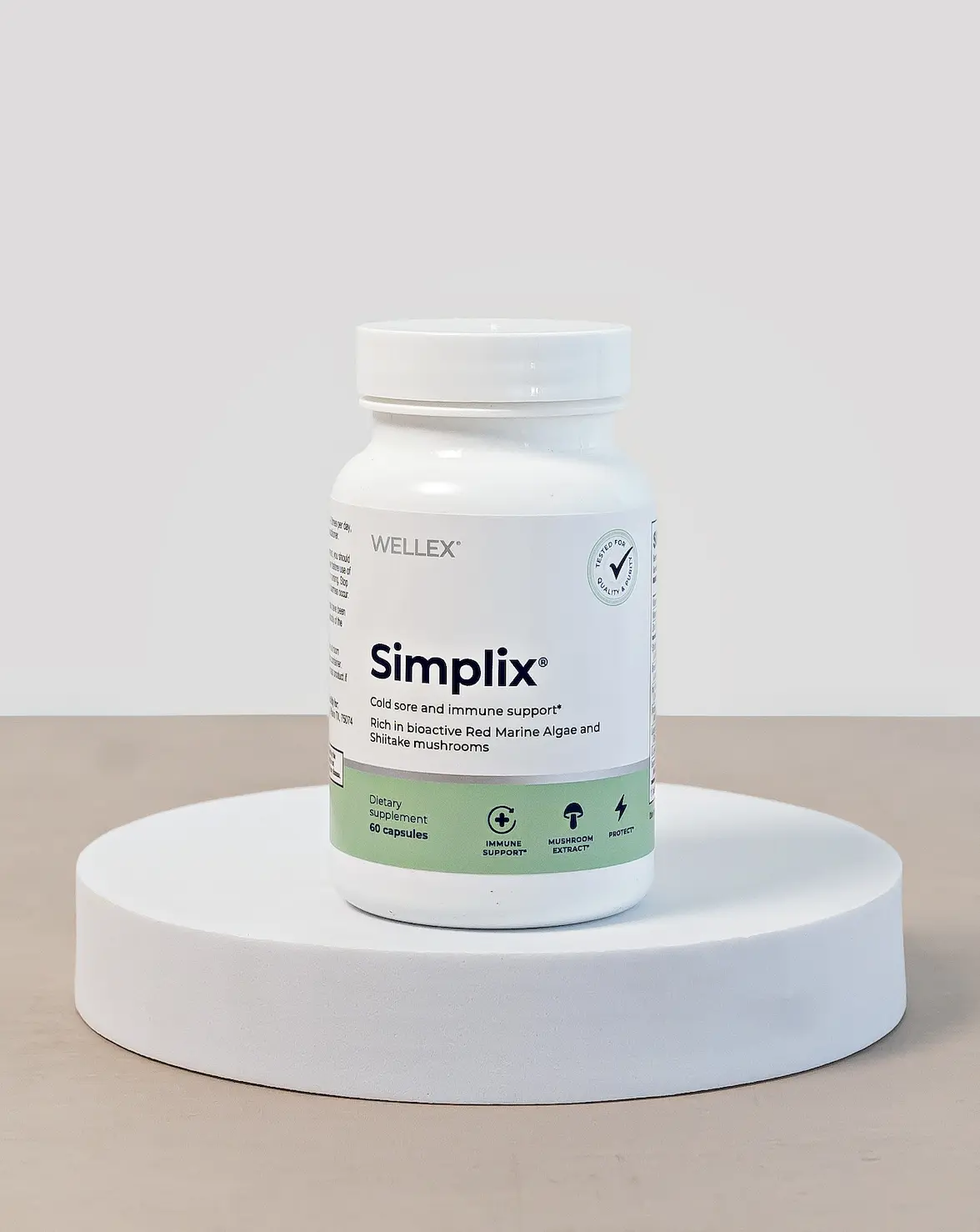
Simplix Viral Defense
Cold Sore & HSV Support
Synergistic formula combining L-Lysine, shiitake mushroom, and marine bioactives for comprehensive immune support.
SHOP NOW & SAVE 15%Benefits of Exercise for Herpes Management
Engaging in regular moderate exercise enhances immune function by improving the circulation and activity of immune cells, including those responsible for antiviral defense. Exercise stimulates the production of plasmacytoid dendritic cells (pDCs), which play a key role in detecting and responding to viral infections like HSV.
Physical activity also reduces stress hormones such as cortisol, which can suppress immune responses and trigger herpes outbreaks. By lowering stress through exercise, individuals can decrease the likelihood of HSV reactivation.
Additionally, exercise promotes better sleep, cardiovascular health, and overall well-being, all of which contribute to a stronger immune system capable of keeping HSV dormant.
Precautions During Herpes Outbreaks
While exercise is beneficial, it’s important to adjust activity levels during active herpes outbreaks. Symptoms such as pain, fatigue, and fever may limit physical capacity and increase the risk of injury or delayed healing.
During outbreaks, it is advisable to avoid intense or prolonged workouts. Instead, focus on gentle activities such as walking, stretching, or yoga that do not exacerbate symptoms. Rest and recovery are essential to allow the immune system to combat the virus effectively.
Maintaining good hygiene during exercise is critical to prevent spreading the virus. Shower promptly after workouts, wear clean clothing, and avoid sharing towels or gym equipment, especially when sores are present.

Balancing Exercise Intensity and Frequency
Moderation is key when incorporating exercise into herpes management. Overtraining or excessive physical stress can temporarily suppress immune function, potentially triggering outbreaks. It’s important to listen to your body and allow adequate rest between workouts.
Establishing a consistent routine of moderate-intensity exercise, such as brisk walking, cycling, or swimming, can provide immune benefits without overtaxing the body. Incorporate strength training and flexibility exercises to support overall health.
Consulting with healthcare providers or fitness professionals can help tailor an exercise plan that fits individual health status and herpes management goals.
Emotional Benefits of Exercise for HSV
Living with herpes can be emotionally challenging due to stigma, anxiety, or fear of outbreaks. Exercise is a powerful tool to improve mental health by releasing endorphins and reducing stress and depression.
Regular physical activity can enhance self-esteem, improve mood, and provide a sense of control over one’s health, which is especially valuable for those managing chronic conditions like HSV.
Exercise regularly but rest during outbreaks
Exercise is a valuable component of herpes management, offering immune support, stress reduction, and improved overall health. To maximize benefits, engage in regular moderate physical activity while adjusting intensity during outbreaks to prioritize rest and recovery.
Maintaining good hygiene and open communication with healthcare providers ensures safe and effective integration of exercise into your HSV care plan. With mindful balance, exercise can help you live actively and confidently despite herpes.
FAQs: Herpes and Exercise
Can exercise help reduce herpes outbreaks?
Yes. Regular exercise helps reduce stress and boost the immune system, both of which can lower the frequency and severity of herpes outbreaks. Managing emotional anxiety through physical activity is an effective way to support your body’s defenses against HSV reactivation.
Is intense exercise beneficial or harmful for herpes?
Intense exercise can have mixed effects. While moderate to vigorous exercise generally enhances antiviral immunity, prolonged high-intensity workouts, especially during or shortly after an active infection, may temporarily weaken immune function and worsen symptoms. It’s important to balance exercise intensity and allow adequate recovery.
Should I avoid exercise during a herpes outbreak?
During active outbreaks, especially if you have fever or feel unwell, it’s advisable to rest and avoid strenuous exercise. Light activity may be acceptable if it does not cause discomfort. Pushing too hard during infection can delay recovery and increase complications.
How does exercise affect the immune response to herpes?
Exercise influences immune cells such as plasmacytoid dendritic cells (pDCs), which play a key role in antiviral defense. Properly timed exercise can enhance the circulation and function of these cells, improving the body’s ability to fight HSV. However, timing and intensity are critical to avoid immune suppression.
Can exercise reduce the emotional stress that triggers herpes outbreaks?
Absolutely. Stress is a major trigger for herpes reactivation. Exercise releases endorphins and reduces cortisol levels, helping to alleviate stress and anxiety. This emotional benefit is an important part of managing herpes through lifestyle.
Are there precautions to take when exercising with herpes?
Maintain good hygiene by showering after workouts, wearing clean clothes, and avoiding sharing towels or equipment to reduce the risk of spreading herpes or other infections. Avoid exercising in environments that may irritate sores, such as hot tubs or saunas, during outbreaks.
Does herpes affect athletic performance?
During active outbreaks, symptoms like pain and fatigue can temporarily reduce exercise capacity. However, when well-managed, herpes does not generally impair long-term athletic performance or fitness levels.
Can exercise influence herpes viral shedding?
Regular moderate exercise may help regulate viral shedding by supporting immune surveillance, but excessive or poorly timed exercise could increase shedding temporarily. Consistency and moderation are key.

Image: Bravado Labs L-Lysine Cold Sore Treatment
Bravado Labs L-Lysine Cold Sore Treatment
Why we love it:
- Verified Customer Favorite
- High Quality Ingredients
As an affiliate, we earn from qualifying purchases.