Being newly diagnosed with genital herpes can be overwhelming, but understanding how to care for yourself and manage the condition is key to living well. Genital herpes is a common viral infection caused by the herpes simplex virus (HSV-1 or HSV-2), and while there is no cure, effective treatments and self-care strategies can help reduce symptoms, speed healing, and minimize outbreaks.
This article offers essential care tips for those recently diagnosed, including how to manage symptoms during outbreaks, reduce recurrence, and protect your sexual health.
Understanding Genital Herpes and Its Treatment
Genital herpes causes painful blisters or sores in the genital area, which typically heal within a few weeks.
The first outbreak is often the most severe, while recurrent outbreaks tend to be milder and less frequent over time.
Proper treatment and understanding of the condition can help you manage symptoms effectively. Antiviral medications such as acyclovir, valacyclovir, and famciclovir are the cornerstone of treatment.
These medicines can help shorten the duration of outbreaks, reduce pain, and decrease the frequency of recurrences.
Your healthcare provider may prescribe antiviral drugs to be taken either episodically at the start of symptoms or daily as suppressive therapy to prevent outbreaks.
Starting antiviral treatment promptly-ideally within the first few days of symptom onset-maximizes its effectiveness.
Always follow your provider’s instructions carefully and discuss any side effects or concerns.
Self-Care Tips During an Outbreak
During an active outbreak, taking care of yourself can significantly ease discomfort and promote healing. Simple practices can reduce pain, prevent infection, and help you recover more quickly.
Keep the Affected Area Clean and Dry
Gently washing the genital area with plain water or a mild saline solution helps prevent secondary infections and reduces irritation. Avoid harsh soaps, scented products, or scrubbing, which can further damage sensitive skin and prolong healing. Maintaining cleanliness also helps reduce odor and discomfort, making the healing process more comfortable. Pat the area dry gently with a soft towel instead of rubbing.Apply Cool Compresses
Applying a cool, damp cloth to the affected area several times a day can soothe burning sensations, reduce swelling, and alleviate itching. This non-invasive method provides natural relief without side effects. Ensure the compress is clean to avoid introducing bacteria. Avoid using ice directly on the skin, as extreme cold can cause additional irritation.Use Pain-Relieving Creams or Ointments
Topical treatments prescribed or recommended by your healthcare provider can help reduce pain and inflammation, especially during urination, which can be uncomfortable during outbreaks. These creams may include numbing agents or anti-inflammatory ingredients. Always follow application instructions and avoid overuse to prevent skin irritation.Wear Loose-Fitting, Breathable Clothing
Choosing loose cotton underwear and clothing minimizes friction and moisture buildup, which can irritate sores and delay healing. Breathable fabrics help keep the area dry and comfortable. Tight or synthetic clothing traps heat and moisture, creating an environment conducive to bacterial growth and worsening symptoms.Practice Good Hand Hygiene
Washing your hands thoroughly before and after touching the affected area prevents spreading the virus to other body parts or to other people. This simple step is crucial to controlling infection. Avoid touching sores unnecessarily, and if you do, clean your hands immediately with soap and water to reduce the risk of autoinoculation or transmission.Avoid Sexual Contact
Refrain from sexual activity during outbreaks and until sores have fully healed to minimize the risk of transmitting the virus to partners. The virus is most contagious when sores are present. Even when symptoms are not visible, there is still a risk of transmission, so discuss preventive measures with your healthcare provider and partners.
Reducing the Frequency and Severity of Outbreaks
While genital herpes cannot be cured, there are lifestyle changes and preventive measures that can help reduce how often and how severely outbreaks occur. Supporting your immune system and avoiding triggers are key components.
Maintain a Healthy Immune System
Getting adequate restful sleep, eating a balanced diet rich in vitamins and minerals, and staying well-hydrated support your body’s ability to suppress the herpes virus and reduce outbreak frequency. Regular moderate exercise and avoiding smoking or excessive alcohol consumption also contribute to stronger immune health.Manage Stress Effectively
Stress is a well-known trigger for herpes outbreaks. Incorporating relaxation techniques such as meditation, yoga, deep breathing exercises, or hobbies can help lower stress levels and potentially reduce outbreaks. Recognizing your personal stress triggers and developing coping strategies can improve your overall well-being and viral management.Protect Your Skin from Environmental Triggers
Exposure to sun, wind, extreme cold, or heat can provoke flare-ups. Applying sunscreen to exposed areas and dressing appropriately helps shield your skin from these environmental factors. Be mindful of skin irritation caused by harsh detergents, soaps, or fabrics that may exacerbate symptoms.Consider Daily Suppressive Therapy
Discuss with your healthcare provider whether daily antiviral medication is appropriate for you. Suppressive therapy can reduce the frequency of outbreaks and lower the risk of transmitting the virus to sexual partners. This approach is especially beneficial for individuals with frequent or severe outbreaks or those in relationships where transmission risk is a concern.Protecting Yourself and Your Partners
Genital herpes is contagious, especially during outbreaks but also when no symptoms are present. Taking precautions can help protect both you and your sexual partners.
Use Barrier Protection Consistently
Consistent use of condoms or dental dams during vaginal, anal, or oral sex significantly reduces the risk of herpes transmission. While condoms do not cover all genital skin, they provide substantial protection. Using barrier methods even when no sores are visible is important because the virus can still be shed asymptomatically.Avoid Sexual Contact During Outbreaks
Abstaining from sexual activity during outbreaks and for at least one week after sores have healed helps prevent passing the virus to partners. The virus is most contagious during active lesions. Recognizing early symptoms such as tingling or itching can help you avoid sexual contact before sores appear.Communicate Openly with Partners
Honest communication about your diagnosis allows partners to make informed decisions about protection and sexual activity. It also fosters trust and reduces anxiety related to transmission risk. Many people appreciate openness and may choose to take precautions or get tested themselves.Practice Safe Use of Sex Toys
Do not share sex toys or ensure thorough cleaning between uses to prevent virus transmission. Using condoms on toys and washing them with appropriate cleaners is recommended. Sharing toys without proper hygiene can spread herpes and other infections even in the absence of visible sores.
Image: Bravado Labs Advanced Lysine Immune Boost
Bravado Labs Advanced Lysine Immune Boost
Why we love it:
- Verified Customer Favorite
- High Quality Ingredients
As an affiliate, we earn from qualifying purchases.
Recommended Supplements for Herpes Management
Simplix Viral Defense
Cold Sore & HSV Support
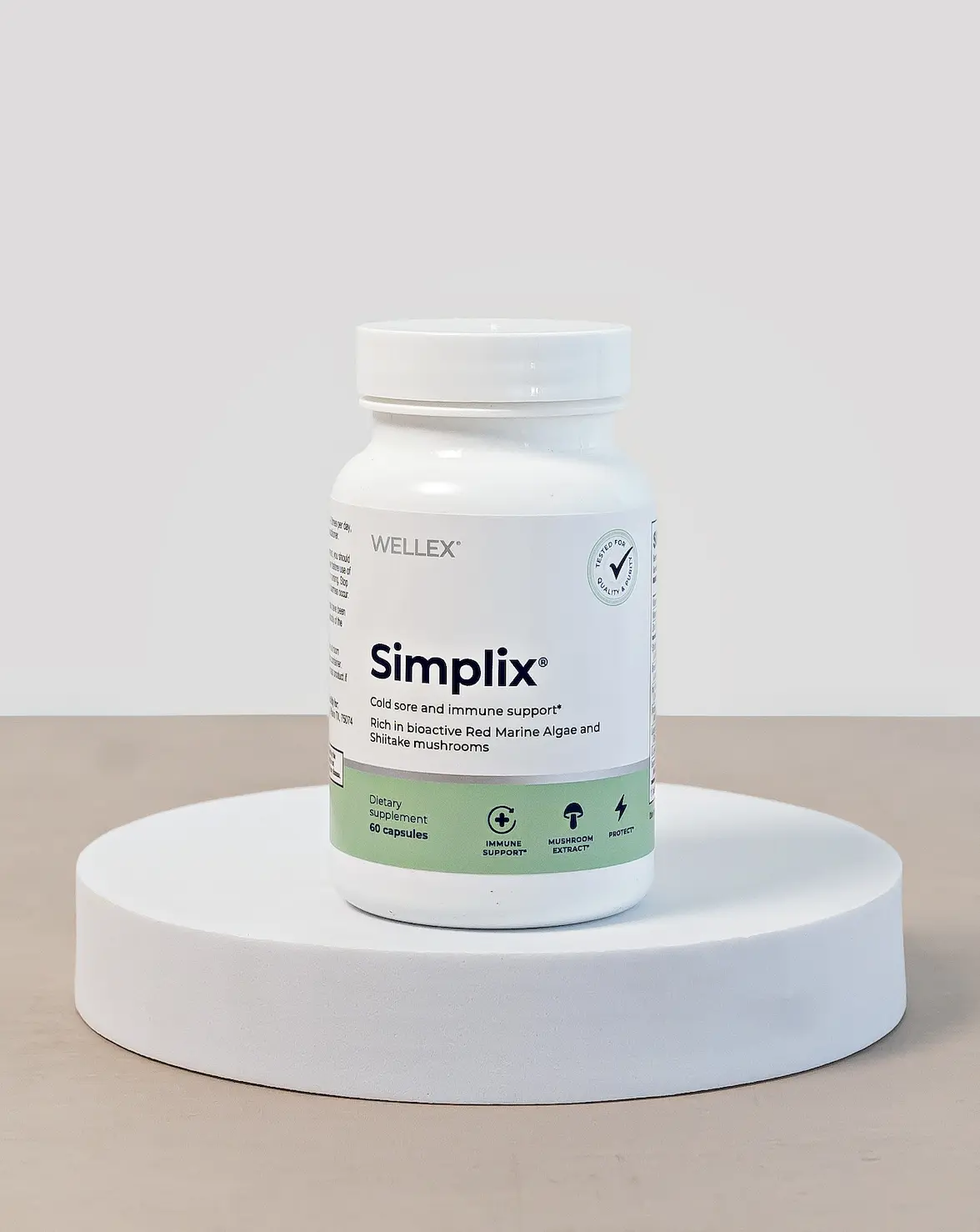
Simplix Viral Defense
Cold Sore & HSV Support
Synergistic formula combining L-Lysine, shiitake mushroom, and marine bioactives for comprehensive immune support.
SHOP NOW & SAVE 15%