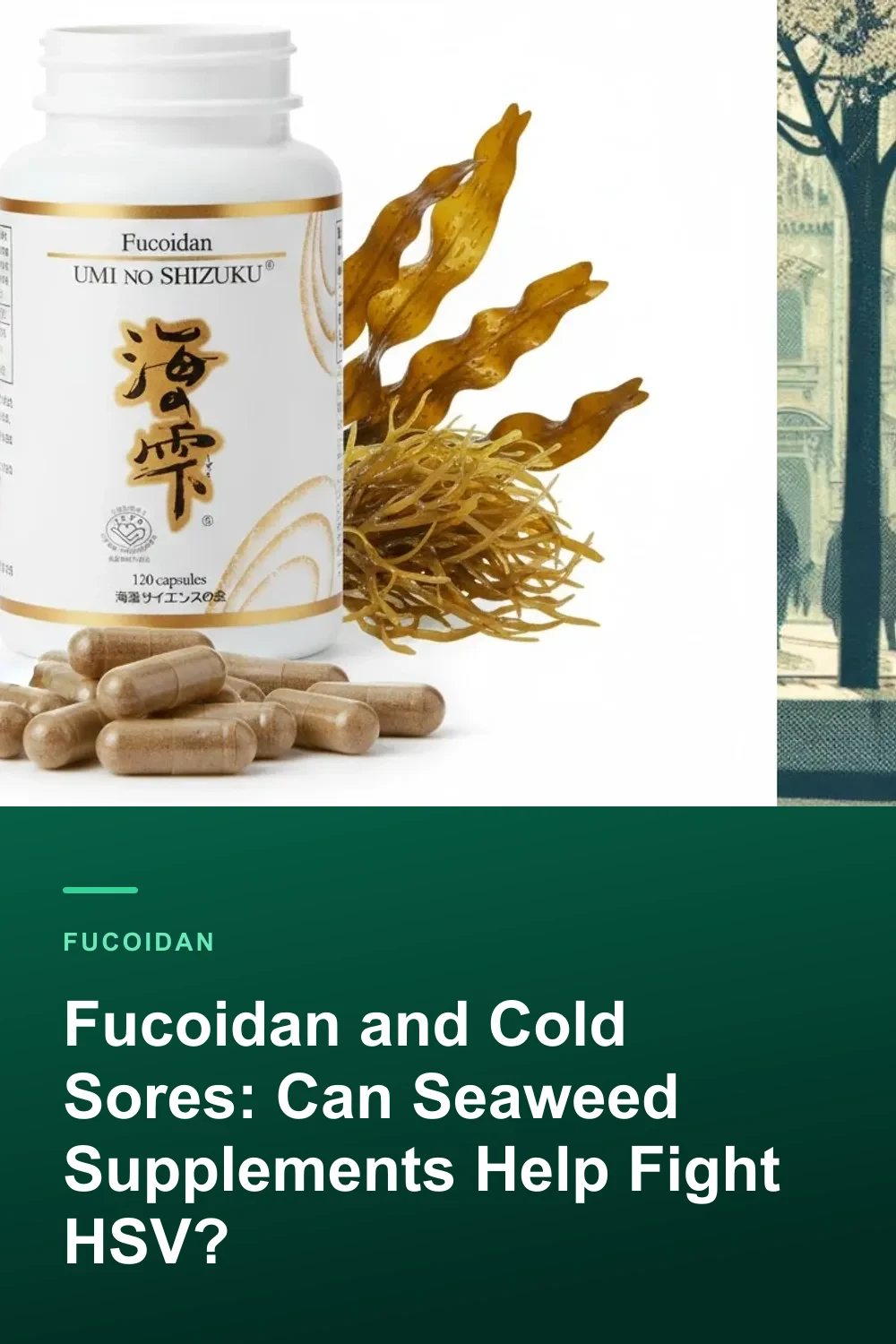
Seaweed has been a dietary and medicinal staple across coastal cultures for thousands of years. Only in recent decades has modern science isolated the specific compounds responsible for brown algae's biological activity: complex, sulfated polysaccharides called fucoidans.
Fucoidan, derived primarily from brown seaweeds such as kombu (Laminaria japonica) and mekabu (Undaria pinnatifida), has been studied for its antiviral, anti-inflammatory, and immune-enhancing properties. It shows activity against herpes simplex virus: both HSV-1, the primary cause of cold sores, and HSV-2.
This article explains what fucoidan is, how it works against HSV, and its role in cold sore supplement strategy.
Simplix Viral Defense
Cold Sore & HSV Support
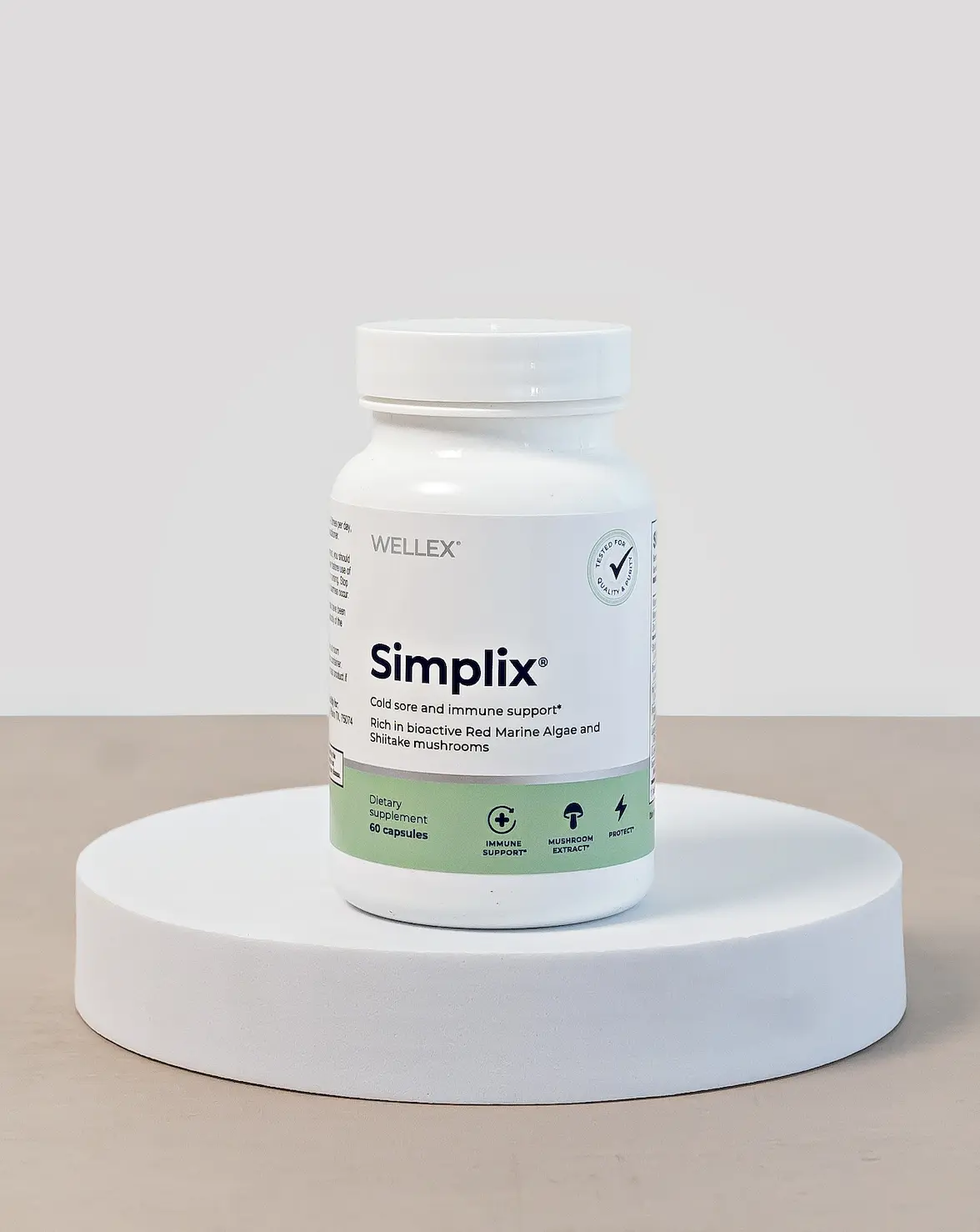
Simplix Viral Defense
Cold Sore & HSV Support
Synergistic formula combining L-Lysine, shiitake mushroom, and marine bioactives for comprehensive immune support.
SHOP NOW & SAVE 15%What Is Fucoidan and Where Does It Come From?
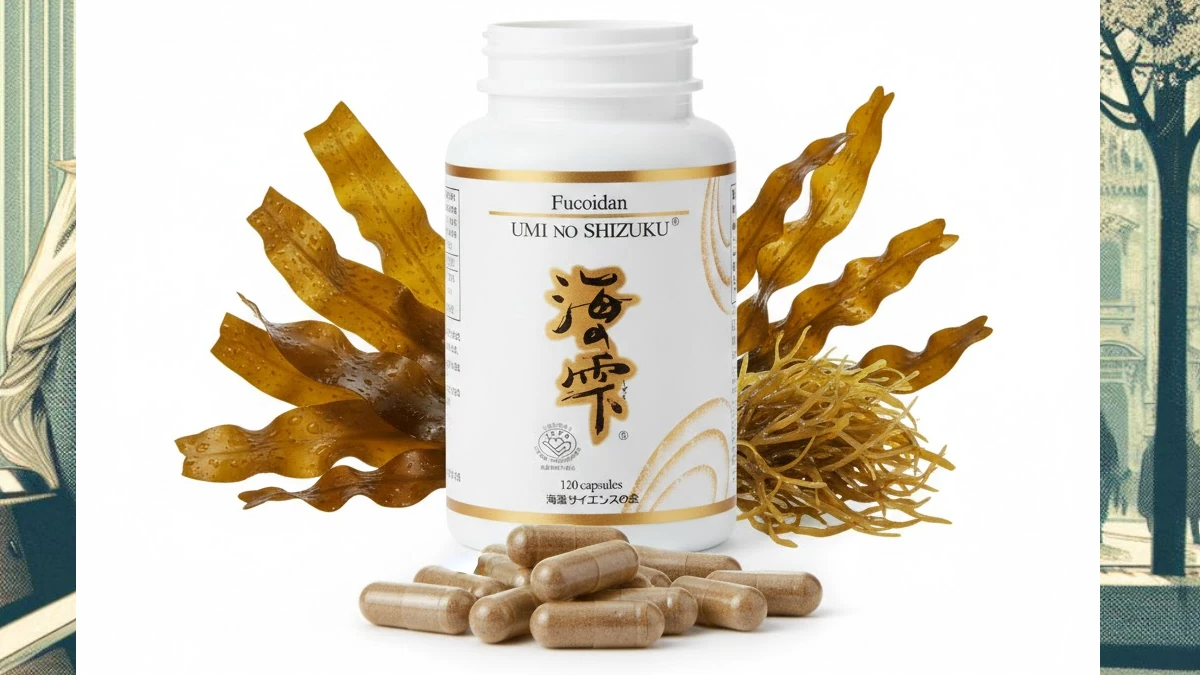
Fucoidan is a complex sulfated polysaccharide found in the cell walls of brown algae. It consists of large, branching chains of fucose sugar molecules with specific sulfate groups attached along the chain structure. The highest-potency fucoidan sources include kombu (Laminaria japonica), mekabu from wakame (Undaria pinnatifida), and bladderwrack (Fucus vesiculosus).
The large molecular size combined with attached sulfate groups is responsible for fucoidan's antiviral properties. Sulfated polysaccharides interact with proteins on viral surfaces, stimulate immune cells that regulate viral pathogens, and provide antioxidant support for cellular health. This makes fucoidan structurally and functionally distinct from conventional antiviral compounds, operating through mechanisms that complement amino acid-based approaches like L-Lysine.
How Fucoidan Works Against Herpes Simplex Virus
The primary antiviral mechanism of fucoidan against HSV operates through viral adsorption inhibition: blocking the virus from attaching to and entering host cells before infection takes hold.
Research published in Chemical and Pharmaceutical Bulletin identified a novel antiviral fucoidan from the sporophyll of Undaria pinnatifida (mekabu) demonstrating significant antiviral activity against both HSV-1 and HSV-2. Mekabu fucoidan's unique molecular structure, featuring complex sugar linkages and sulfate substitutions, enhances its capacity to inhibit viral replication and spread at the cellular entry stage.
Fucoidan's sulfate groups structurally resemble the heparan sulfate proteoglycans found on the surface of human cells: the molecular docking points the herpes virus uses to initiate infection. By binding to and saturating these attachment sites, fucoidan works as a molecular decoy, preventing the virus from reaching its cellular targets. Fucoidan also stimulates macrophage activity, the immune cells that patrol for and eliminate virally infected cells, enhancing innate immune surveillance at a systemic level.
Irish Moss and Carrageenan: A Complementary Seaweed Antiviral
Closely related to fucoidan is another class of seaweed-derived sulfated polysaccharides: carrageenans, found in red algae like Irish Moss (Chondrus crispus). Though structurally distinct from fucoidan, carrageenans work through a related viral-blocking mechanism.
Research published in Antiviral Research confirmed that iota-carrageenan, the predominant carrageenan in Irish Moss, exhibits antiviral activity against HSV-1 and HSV-2 by inhibiting viral adsorption: the initial attachment of the virus to host cell surfaces. The study confirmed antiherpetic activity across diverse carrageenan structural types, establishing that the sulfated polysaccharide family as a whole represents a biologically coherent antiviral strategy.
The combination of fucoidan from brown algae and iota-carrageenan from red algae in a single formulation provides complementary coverage through two structurally distinct sulfated polysaccharides. They target the same stage of HSV infection, viral adsorption, through overlapping but non-identical binding mechanisms, offering broader antiviral coverage in combination than either compound alone.
Fucoidan in Multi-Ingredient Cold Sore Supplements
Fucoidan's greatest value in a cold sore protocol is its mechanism diversity. It addresses herpes at the point of cell entry: an earlier stage than most other natural antiviral compounds, which typically act on viral replication after entry has occurred. This makes it an important addition to a preventative stack, not only an active-outbreak supplement.
Wellex Simplix contains 125mg of Brown Kombu Seaweed standardized to 40% Fucoidan alongside 125mg of Irish Moss (red marine algae) per two-capsule serving. Use code PROMEO15 for 15% off. The inclusion of both fucoidan and carrageenan sources reflects the understanding that these complementary sulfated polysaccharides offer broader antiviral coverage together than either alone. Combined with the formula's L-Lysine, Zinc, Andrographis, Lemon Balm, and Licorice Root, Simplix addresses the virus at the entry, replication, and immune response stages.
Fucoidan is promising in the lab but unproven in people
The evidence for fucoidan's antiviral activity against HSV is mechanistically compelling. By blocking viral attachment to host cells at the adsorption stage, fucoidan addresses the infection process earlier than amino acid supplementation, pharmaceutical antivirals, or most herbal compounds, creating a first-line barrier that works synergistically with downstream mechanisms that suppress replication and support immune clearance.
For those who eat a diet low in sea vegetables or who want more consistent and concentrated seaweed compound intake than diet alone can provide, a multi-ingredient supplement containing standardized fucoidan offers a practical and evidence-supported way to incorporate this mechanism into daily HSV management.
Fucoidan and Cold Sores FAQs
Does fucoidan help with cold sores?
Research supports fucoidan's antiviral activity against HSV-1 and HSV-2, primarily through blocking the virus from attaching to and entering host cells. While not a cure, it addresses viral infection at an earlier stage than most other natural compounds and supports innate immune surveillance.
What type of seaweed does fucoidan come from?
Fucoidan is found in brown algae, primarily kombu (Laminaria japonica), mekabu from wakame (Undaria pinnatifida), and bladderwrack (Fucus vesiculosus). Quality supplement formulations specify the algae source and fucoidan percentage for consistent dosing.
How does fucoidan work against the herpes simplex virus?
Fucoidan's sulfated molecular structure allows it to bind to the same surface receptors the herpes virus uses to attach to human cells. By occupying these binding sites, it prevents viral adsorption, the initial infection step. It also stimulates macrophage activity and enhances innate immune surveillance against viral pathogens.
What is the difference between fucoidan and carrageenan for herpes?
Both are sulfated polysaccharides from seaweed with antiviral activity against HSV. Fucoidan comes from brown algae and carrageenan (specifically iota-carrageenan) from red algae like Irish Moss. They block viral adsorption through similar but structurally distinct mechanisms, making them complementary in a combined formula.
Can I get enough fucoidan from eating seaweed?
Eating kombu or wakame regularly provides some fucoidan, but dietary concentrations are generally lower and less consistent than standardized supplement doses. If you are targeting a specific antiviral outcome, a formula with documented fucoidan content and standardized percentage offers more predictable results.
Is fucoidan safe to take long-term?
Fucoidan from food-grade seaweed is generally well tolerated by healthy adults. It has mild anticoagulant properties and may interact with blood-thinning medications. Individuals on anticoagulants or with bleeding disorders should consult a healthcare provider before supplementing with concentrated fucoidan.

Image: Bravado Labs L-Lysine Cold Sore Treatment
Bravado Labs L-Lysine Cold Sore Treatment
Why we love it:
- Verified Customer Favorite
- High Quality Ingredients
As an affiliate, we earn from qualifying purchases.