Acyclovir is generally safe to take with most foods, and there are no strict dietary restrictions.
However, some foods and drinks may influence how well the medication works or affect side effects.
Being mindful of your diet can help support your recovery and overall health.
Maintaining a balanced diet rich in vitamins and minerals supports your immune system, which is crucial when fighting viral infections like herpes.
Incorporating plenty of fruits, vegetables, whole grains, and lean proteins can promote faster healing and overall wellness.
Always follow your healthcare provider's instructions regarding medication and diet, and report any unusual side effects or concerns.
Food Considerations While Taking Acyclovir
While acyclovir does not have significant food interactions, certain foods may influence herpes outbreaks or affect your immune response.
Understanding these can help you manage symptoms better and potentially reduce the frequency and severity of outbreaks.
Some foods contain amino acids and nutrients that can either promote or inhibit viral activity.
Adjusting your diet during outbreaks can be a helpful complementary strategy alongside your medication.
Nuts, Chocolate, and High-Arginine Foods
Foods high in the amino acid arginine—such as nuts (especially peanuts), chocolate, seeds, and some legumes—may potentially promote herpes virus replication and trigger outbreaks.
While research is ongoing, many people report that limiting these foods during outbreaks helps reduce symptom severity.
It’s important to balance arginine intake with lysine-rich foods like dairy, fish, and poultry, as lysine may help inhibit herpes virus replication.
Consider consulting a nutritionist for personalized advice.
Note that these foods do not interfere with acyclovir absorption or effectiveness, but dietary adjustments might support your overall treatment plan.

Dairy Products
Dairy products like milk, cheese, and yogurt are generally safe to consume with acyclovir.
These foods are good sources of calcium and protein, which support tissue repair and immune function.
While calcium can sometimes affect the absorption of certain medications, acyclovir’s effectiveness is usually not impacted.
To be cautious, you might avoid consuming large amounts of dairy immediately before or after taking your medication.
Additionally, probiotic-rich yogurts can support gut health, which is beneficial for immune system balance during antiviral treatment.
Acidic Foods and Citrus Fruits
Citrus fruits and other acidic foods do not affect acyclovir metabolism but can irritate cold sores or mouth lesions, potentially worsening discomfort.
Moderating intake of oranges, lemons, grapefruit, and similar fruits during outbreaks may help reduce irritation and promote healing.
Opt for milder fruits like bananas or melons during flare-ups to minimize mouth soreness.
Staying hydrated with water and soothing herbal teas can also ease symptoms.
Drink Considerations While Taking Acyclovir
Some beverages can influence your hydration status and immune function, which are important factors during antiviral treatment. Proper hydration helps your kidneys clear the medication effectively and supports overall recovery. Choosing healthy drinks and avoiding those that may impair immune response or cause dehydration can enhance your healing process.
Caffeinated Beverages
Caffeine found in coffee, tea, and sodas does not directly interact with acyclovir.
However, excessive caffeine intake can increase dehydration and stress, which may impair your immune response and delay recovery.
Moderate caffeine consumption is generally safe, but it’s important to balance it with plenty of water intake.
Herbal teas and decaffeinated options can be soothing alternatives during treatment.
Alcohol
Alcohol does not have a direct interaction with acyclovir, but it can weaken the immune system and increase side effects such as dizziness, dehydration, and liver strain.
Drinking alcohol during treatment may also reduce your ability to fight the infection effectively.
Limiting or avoiding alcohol while taking acyclovir is recommended to support healing and minimize risks.
If you choose to drink, do so in moderation and ensure you stay well hydrated.
General Tips for Taking Acyclovir with Food and Drink
Acyclovir can be taken with or without food.
If you experience stomach upset, taking it with meals may help reduce nausea or discomfort. Drinking plenty of water is essential to help your kidneys clear the medication efficiently and reduce the risk of side effects like kidney irritation.
While there are no major food restrictions, avoiding high-arginine foods during outbreaks, spacing dairy intake around medication times, moderating caffeine, and limiting alcohol can help maximize acyclovir’s effectiveness and support your immune system.
Maintaining a healthy lifestyle, including balanced nutrition, adequate rest, and stress management, complements your antiviral treatment and promotes faster recovery.
Frequently Asked Questions About Foods and Drinks While Taking Acyclovir
Can I eat nuts and chocolate while taking acyclovir?
Yes, but since nuts and chocolate are high in arginine, which may promote herpes outbreaks, it’s best to limit them during active outbreaks to help reduce symptoms.
Is it safe to consume dairy products with acyclovir?
Dairy is generally safe to consume with acyclovir. To be cautious, avoid large amounts of dairy close to your medication dose, but normal intake should not affect the medication.
Should I avoid citrus fruits while on acyclovir?
Citrus fruits do not interfere with acyclovir but can irritate cold sores or mouth lesions. Moderation is advised during outbreaks to prevent discomfort.
Can I drink coffee or other caffeinated beverages while taking acyclovir?
Moderate caffeine intake is generally safe, but excessive caffeine can cause dehydration and stress, which may hinder recovery. Stay well-hydrated.
Is it okay to drink alcohol while on acyclovir?
Alcohol does not directly interact with acyclovir but can weaken your immune system and increase side effects. Limiting or avoiding alcohol during treatment is recommended.
Are there any other foods I should avoid while taking acyclovir?
There are no strict restrictions, but avoiding excessive arginine-rich foods during outbreaks and maintaining a balanced diet can support your recovery.

Image: Bravado Labs Advanced Lysine Immune Boost
Bravado Labs Advanced Lysine Immune Boost
Why we love it:
- Verified Customer Favorite
- High Quality Ingredients
As an affiliate, we earn from qualifying purchases.
Recommended Supplements for Herpes Management
Simplix Viral Defense
Cold Sore & HSV Support
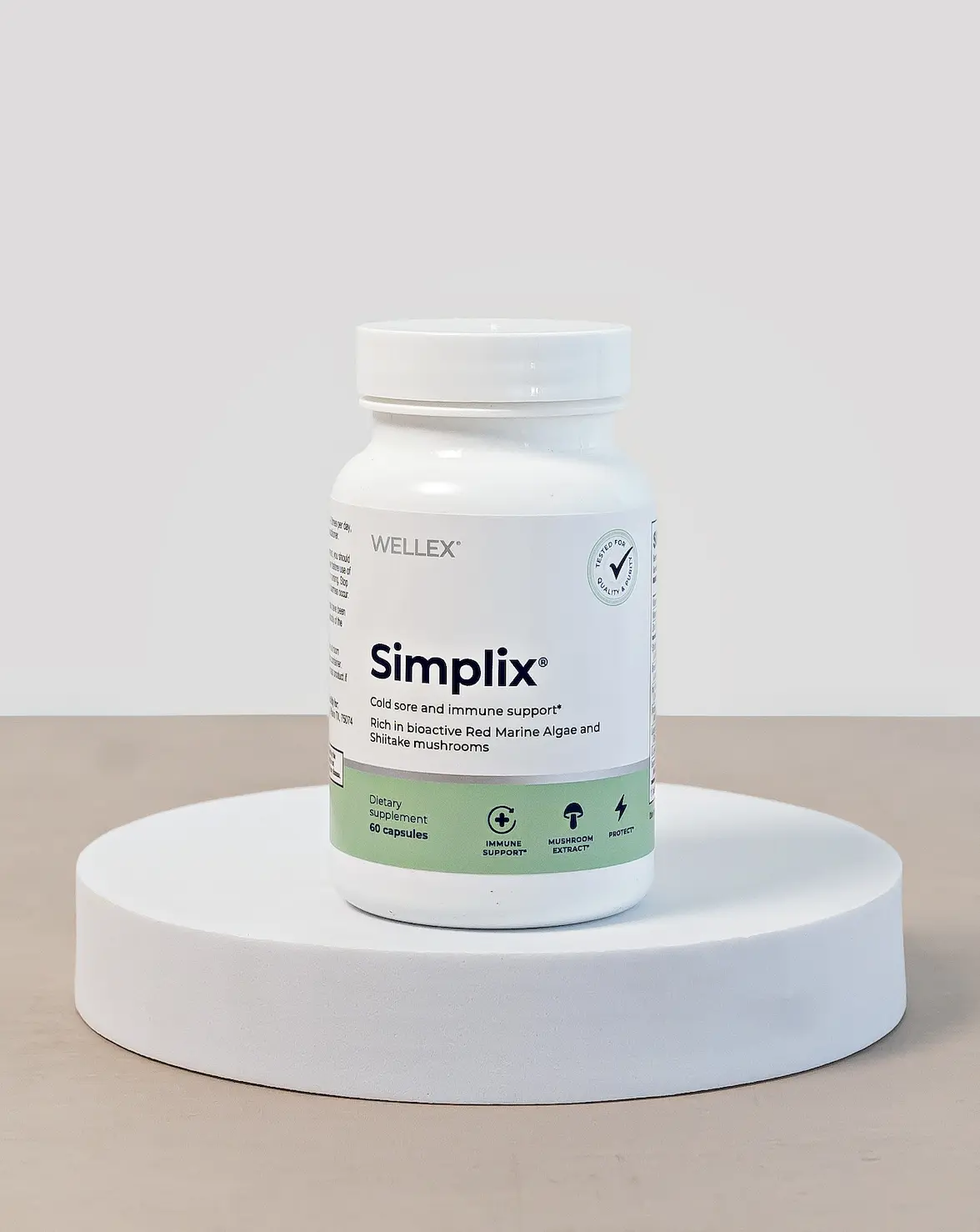
Simplix Viral Defense
Cold Sore & HSV Support
Synergistic formula combining L-Lysine, shiitake mushroom, and marine bioactives for comprehensive immune support.
SHOP NOW & SAVE 15%