Herpes simplex virus (HSV) infections are widespread, causing oral and genital sores that can recur throughout life.
Recent research suggests that fasting and the cellular process it triggers-autophagy-may help manage herpes by reducing viral replication and promoting cellular repair.
This article explores the relationship between fasting and herpes, the science behind autophagy, and natural strategies to support herpes management.
What Is Herpes and How Does It Reactivate?
Herpes is caused by HSV-1 and HSV-2 viruses, which establish lifelong infections by hiding dormant in nerve cells. Various triggers such as stress, illness, and immune changes can reactivate the virus, leading to painful sores and symptoms. Because the virus remains latent in the nervous system, treatments focus on managing outbreaks and reducing recurrence.
How Fasting Influences Herpes Through Autophagy
Fasting involves periods of caloric restriction that activate autophagy, a natural cellular cleanup process where damaged components and pathogens are broken down and recycled.
Autophagy plays a key role in maintaining cellular health and immune defense.
Scientific studies show that autophagy can suppress herpes virus replication by degrading viral particles and infected cells, especially in nerve cells where HSV resides.
Research published in Autophagy and Scientific Reports confirms that enhancing autophagy reduces HSV-1 infection without harming healthy cells.
Intermittent fasting routines, such as the 16:8 method (16 hours fasting, 8 hours eating), can stimulate autophagy and may help control herpes flare-ups by limiting viral activity and strengthening immune responses.

Practical Fasting Strategies for Herpes Management
Starting with intermittent fasting is generally recommended to allow your body to adjust.
Begin by skipping snacks and gradually extending fasting periods.
Autophagy typically activates after about 16-18 hours of fasting and peaks around 23 hours.
During fasting, it is important to avoid all calories, stay well hydrated with water or calorie-free beverages, and replenish electrolytes to maintain energy and minimize side effects.
Longer fasts of 24 to 48 hours, done occasionally, may further enhance autophagy but should be approached cautiously and ideally under medical supervision, especially if you have health conditions.
Complementary Natural Remedies for Herpes
In addition to fasting, several natural compounds have shown antiviral effects against herpes viruses: Oregano oil contains carvacrol and thymol, which inhibit herpes virus replication. Monolaurin, derived from coconut oil, disrupts viral envelopes and reduces infectivity. Olive leaf extract and garlic also possess antiviral properties that may help reduce outbreak severity.
Combining these natural remedies with fasting and conventional treatments can provide a holistic approach to managing herpes.
When to Seek Medical Advice
While fasting and natural remedies may support herpes management, it is crucial to consult healthcare providers if you experience frequent, severe, or worsening outbreaks.
Pregnant women and immunocompromised individuals should seek medical guidance before attempting fasting or alternative therapies.
Antiviral medications remain the primary treatment for controlling herpes symptoms and preventing transmission.
Summary
Fasting activates autophagy, a cellular repair mechanism that can reduce herpes virus replication and support immune defense.
Intermittent fasting combined with antiviral natural remedies offers a promising strategy to manage herpes flare-ups.
However, fasting should be approached gradually and with professional advice, especially for those with underlying health issues.
Integrating fasting with conventional medical care provides the best chance for effective herpes management.
Fasting and Herpes FAQs
Can fasting help reduce herpes outbreaks?
Yes, fasting triggers autophagy, which helps clear infected cells and suppress herpes virus replication, potentially reducing outbreak frequency and severity.
How long should I fast to activate autophagy?
Autophagy typically begins after 16-18 hours of fasting and peaks around 23 hours. Intermittent fasting methods like 16:8 are commonly used to stimulate this process.
Is fasting safe for everyone with herpes?
Fasting may not be suitable for everyone, especially pregnant women, people with certain medical conditions, or those with weakened immune systems. Consult a healthcare provider before starting fasting.
Are there natural supplements that help manage herpes?
Oregano oil, monolaurin, olive leaf extract, and garlic have antiviral properties that may help reduce herpes symptoms when used alongside medical treatments.
Can fasting cure herpes?
No, fasting does not cure herpes, but it may help manage the virus by reducing flare-ups and supporting immune function.

Image: Bravado Labs Advanced Lysine Immune Boost
Bravado Labs Advanced Lysine Immune Boost
Why we love it:
- Verified Customer Favorite
- High Quality Ingredients
As an affiliate, we earn from qualifying purchases.
Recommended Supplements for Herpes Management
Simplix Viral Defense
Cold Sore & HSV Support
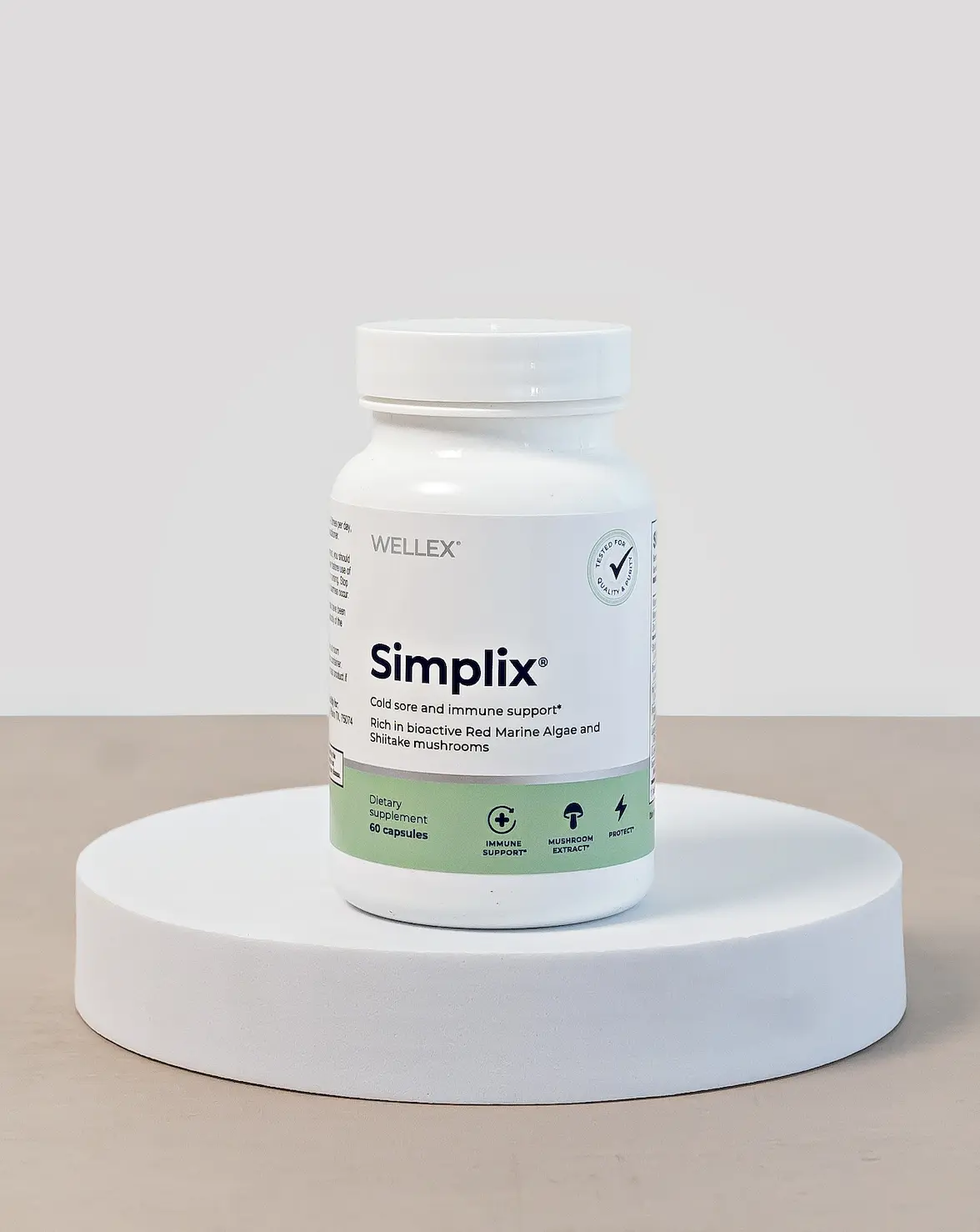
Simplix Viral Defense
Cold Sore & HSV Support
Synergistic formula combining L-Lysine, shiitake mushroom, and marine bioactives for comprehensive immune support.
SHOP NOW & SAVE 15%