Estrogen, particularly the potent form 17-β estradiol (17-βE), plays a significant role in herpes simplex virus (HSV) reactivation. Research using animal models demonstrates that treatment with 17-βE can induce HSV reactivation from latency, increasing viral load and expression of viral genes in nerve cells where HSV lies dormant.
This effect is strongly dependent on estrogen receptor alpha (ERα) signaling, as viral reactivation does not occur in estrogen receptor-deficient mice treated with 17-βE.
This indicates that estrogen’s interaction with neuronal estrogen receptors directly influences HSV reactivation mechanisms. Importantly, increased HSV reactivation induced by estrogen occurs without inhibiting the function of HSV-specific immune cells (CD8+ T cells), suggesting the hormone’s effect is primarily neuronal rather than immunosuppressive.
Mechanisms Behind Estrogen-Induced HSV Reactivation
The specific molecular mechanisms remain under investigation, but evidence shows that estrogen binding to ERα in latently infected neurons activates cellular signaling pathways that disrupt viral latency and promote HSV gene expression.These estrogen-driven pathways may involve changes to neuronal gene regulation and chromatin structure that favor lytic viral replication over latency, tipping the balance toward viral reactivation.
Estrogen may also influence cellular stress responses and neuro-immune interactions, further facilitating HSV exit from latency and subsequent viral shedding.

Clinical Implications for Women and Estrogen Treatments
For women, fluctuating estrogen levels during menstrual cycles, pregnancy, and hormone replacement or contraceptive therapy can influence the frequency and severity of herpes outbreaks. Peaks in estrogen may trigger reactivation and symptomatic outbreaks in susceptible individuals.Hormonal contraceptives containing estrogen and progesterone have been observed to modify immune responses and may increase HSV shedding and outbreak rates, though individual responses vary.
During menopause, declining estrogen levels can cause genital tissue thinning and dryness, potentially worsening outbreak discomfort but may reduce viral reactivation.
Careful management of hormone therapies and antiviral treatments, with awareness of estrogen’s role in herpes activity, is essential for optimizing care in women affected by HSV.
Managing Herpes Outbreaks with Consideration of Estrogen
Understanding the impact of estrogen on herpes outbreaks is important for effective management, especially in women and those undergoing hormonal treatments. While estrogen can trigger viral reactivation, it also plays a role in modulating immune responses that affect outbreak severity and frequency.Preventing herpes outbreaks often involves avoiding known triggers such as stress, excessive sunlight, and hormonal fluctuations.
Maintaining a healthy lifestyle with adequate sleep, balanced nutrition, and stress management supports immune function and may reduce outbreak frequency.
Antiviral suppressive therapy remains the cornerstone of herpes management, helping to control viral replication and reduce outbreaks regardless of hormonal status.
Hormonal Treatments and Herpes Management Strategies
For individuals using estrogen-containing contraceptives or hormone replacement therapy (HRT), careful monitoring of herpes symptoms is advised. Some women report increased outbreaks correlated with hormonal use, though evidence varies.Adjusting hormonal therapy in consultation with healthcare providers may be necessary if herpes outbreaks increase substantially.
Combining antiviral treatments with hormonal management is recommended for optimal control.
Research also explores transdermal estrogen as a potential method to prevent cyclically recurrent genital herpes, though it is not yet a standard clinical treatment.
Considerations for Menopause and Herpes Outbreaks
Menopause presents unique challenges for herpes management due to declining estrogen levels, which cause genital tissue thinning, dryness, and increased sensitivity. These changes may exacerbate discomfort during outbreaks and affect overall genital health.Using appropriate vaginal moisturizers, lubricants, and estrogen therapy when indicated can improve genital tissue health and may help reduce herpes-associated symptoms.
Continued antiviral treatment and lifestyle measures remain essential during and after menopause to maintain control of herpes outbreaks and improve quality of life.
Frequently Asked Questions About Estrogen and Herpes Outbreaks
Does estrogen cause herpes to reactivate?
Elevated estrogen levels, including 17-β estradiol, have been shown to promote herpes simplex virus (HSV) reactivation from latency in nerve cells. The effect is dependent on estrogen receptor signaling and can trigger viral replication and outbreaks even without weakening immune cell function.
Can hormonal contraceptives affect herpes outbreaks?
Yes, contraceptives containing estrogen and progesterone may increase HSV shedding and outbreak frequency. They can inhibit the function of immune cells that normally suppress viral reactivation and also directly induce HSV reactivation in sensory neurons.
Is the impact of estrogen on herpes outbreaks the same for all women?
No, individual responses vary widely. Some women experience more frequent or severe outbreaks linked to hormonal fluctuations such as menstrual cycles, pregnancy, or hormone therapy, while others do not notice changes.
Does menopause affect herpes outbreaks?
Declining estrogen levels during menopause can worsen symptoms by causing genital tissue thinning and dryness, increasing discomfort during outbreaks. However, lower estrogen may reduce viral reactivation compared to reproductive years.
Should women on estrogen therapy change their herpes treatment?
Treatment should always be guided by healthcare professionals. Women undergoing hormonal treatments may require closer monitoring and possible adjustment of antiviral therapies to manage any changes in outbreak patterns.
Are there ways to manage herpes outbreaks related to estrogen?
Avoiding known triggers, maintaining antiviral medication schedules, managing stress, and consulting healthcare providers about hormonal therapies can help reduce the frequency and severity of estrogen-related herpes outbreaks.
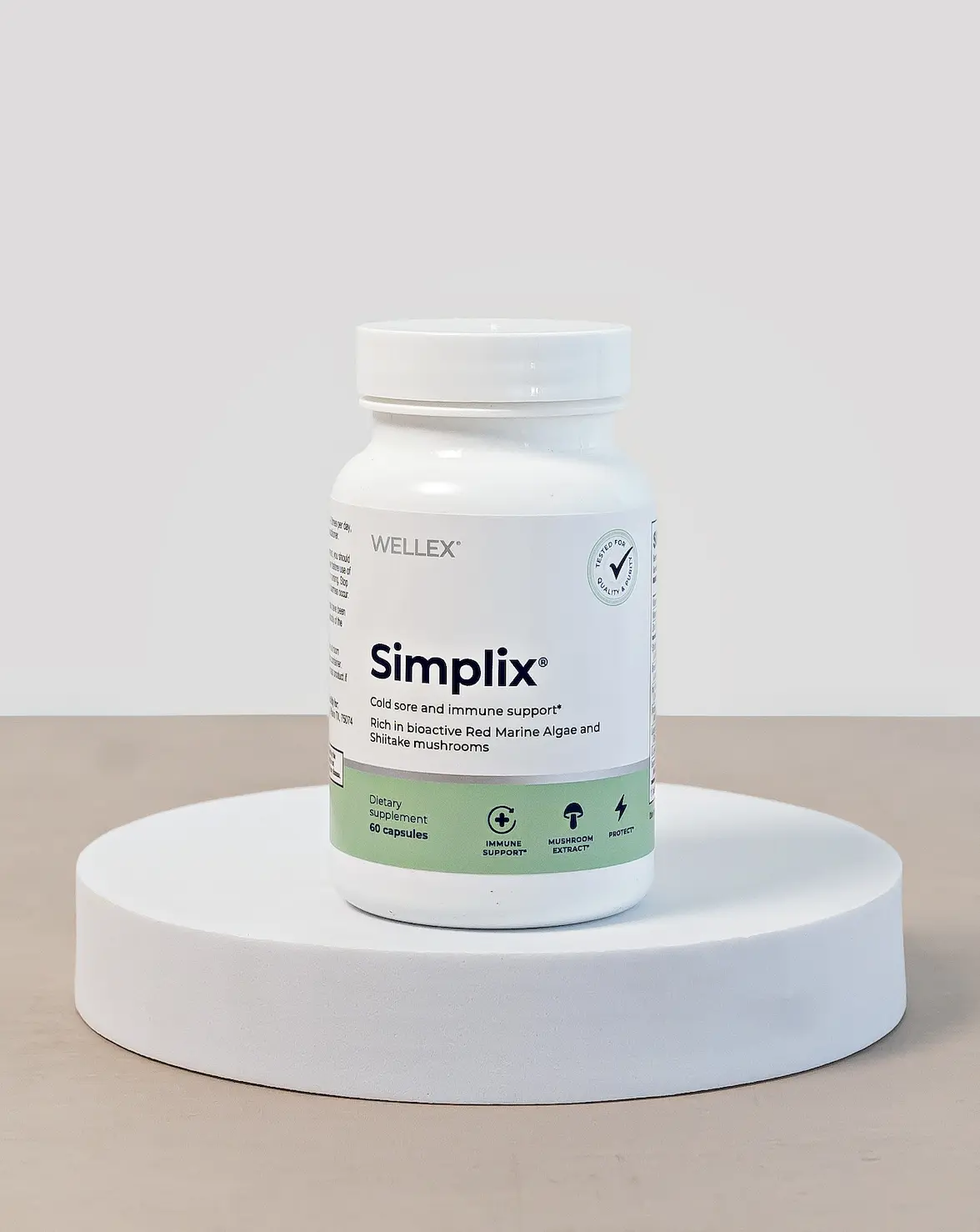
Image: Simplix Viral Defense
Simplix Viral Defense
Why we love it:
- Specifically formulated to reduce cold sore outbreaks
- Contains L-Lysine, Red Marine Algae, and Lemon Balm
- Supports immune system during viral challenges
- Helps manage stress-triggered outbreaks
Recommended Supplements for Herpes Management
Simplix Viral Defense
Cold Sore & HSV Support
Simplix Viral Defense
Cold Sore & HSV Support
Synergistic formula combining L-Lysine, shiitake mushroom, and marine bioactives for comprehensive immune support.
SHOP NOW & SAVE 15%