If you have ever noticed a cold sore showing up right after a stomach bug, a hard workout in the heat, or a weekend of drinking, you are not imagining a pattern. Electrolyte imbalances, low sodium, potassium, or magnesium in particular, are one of the more overlooked triggers people report alongside the usual suspects like stress and sun exposure.
This article looks at whether electrolytes can cause cold sores, what the mechanism is (and is not), and which everyday situations quietly drain your electrolytes enough to matter.
Simplix Viral Defense
Cold Sore & HSV Support
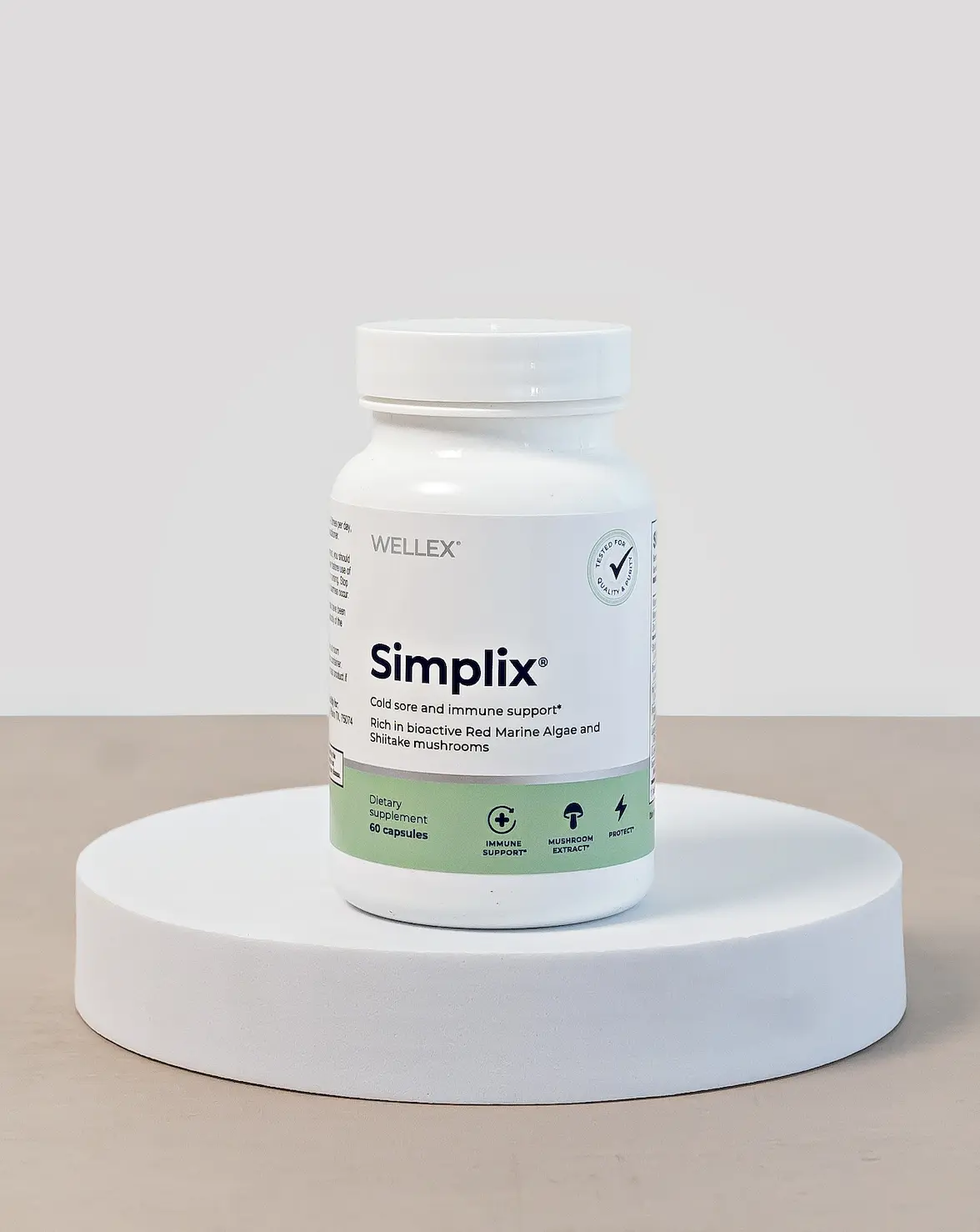
Simplix Viral Defense
Cold Sore & HSV Support
Synergistic formula combining L-Lysine, shiitake mushroom, and marine bioactives for comprehensive immune support.
SHOP NOW & SAVE 15%Can Electrolyte Imbalances Cause Cold Sores?
Not directly. There is no evidence that low sodium or potassium acts on the herpes simplex virus (HSV-1 or HSV-2) the way an antiviral drug does. Electrolytes are not fighting the virus itself.
What electrolyte imbalances do is put physical stress on the body. Dehydration, low sodium, and mineral deficiencies force your nervous system and immune system to work harder just to maintain normal function. HSV lies dormant in nerve ganglia and reactivates when the local environment shifts, often because of a broader dip in immune surveillance or a spike in nerve excitability.
So the honest answer is: electrolyte imbalance is a plausible indirect trigger, not a direct cause. It lowers your overall resilience, and a body running on fumes is a body more likely to let a dormant virus resurface.
Why Dehydration and Mineral Loss Matter for HSV
Three electrolytes come up most often in this context: magnesium, sodium, and potassium.
Magnesium is involved in immune cell activity and in calming nerve excitability. We cover this in more depth in our guide to magnesium and cold sores, but in brief, low magnesium is linked to a more reactive nervous system and a less responsive immune system, both of which matter for a virus that hides in nerve tissue.
Sodium and potassium regulate fluid balance and nerve signaling throughout the body. When you lose a lot of both quickly, through vomiting, diarrhea, heavy sweating, or a bad hangover, your body diverts resources toward correcting that imbalance. That is a form of physiological stress, and stress is the single most consistently reported cold sore trigger.
None of this means electrolytes are a cure or a cause on their own. It means dehydration and mineral loss are one more item on the list of things that lower your threshold for an outbreak, alongside poor sleep, illness, and sun exposure.
Situations That Deplete Electrolytes (and May Line Up With Outbreaks)
A few common scenarios drain electrolytes fast enough to potentially matter for people prone to cold sores:
Illness with fever, vomiting, or diarrhea. This is the classic double hit: the immune system is already occupied fighting something else, and you are losing fluids and sodium at the same time. It is one of the most frequently reported outbreak triggers for a reason.
Intense or prolonged exercise. Heavy sweating without replacement, especially in endurance training, can meaningfully lower sodium and potassium levels over the course of a workout or a race.
Heat exposure. Long days in the sun or in hot climates combine two triggers at once, since UV exposure is already a well-documented cold sore trigger on its own, and heat accelerates fluid loss.
Fasting and low-carb or ketogenic diets. Cutting carbohydrates causes the body to excrete more sodium and water early on, sometimes called the "keto flu." We go into this in detail in our article on fasting and herpes, which also flags electrolyte replenishment as important during extended fasts.
Alcohol. Alcohol is a diuretic, and a night of drinking followed by a hangover is a reliable way to end up dehydrated and low on electrolytes, on top of disrupting sleep.
Poor overall diet. Consistently low intake of magnesium and potassium-rich foods, common in diets heavy on processed food, keeps baseline mineral levels lower than they should be, without any single dramatic depletion event.
Replenishing Electrolytes as Part of Outbreak Prevention
If you notice your outbreaks tend to follow illness, exercise, heat, or a night of drinking, electrolyte replenishment is a low-risk, low-cost thing to add to your routine. It will not replace antivirals or a lysine-focused diet, but it addresses a trigger that is easy to fix.
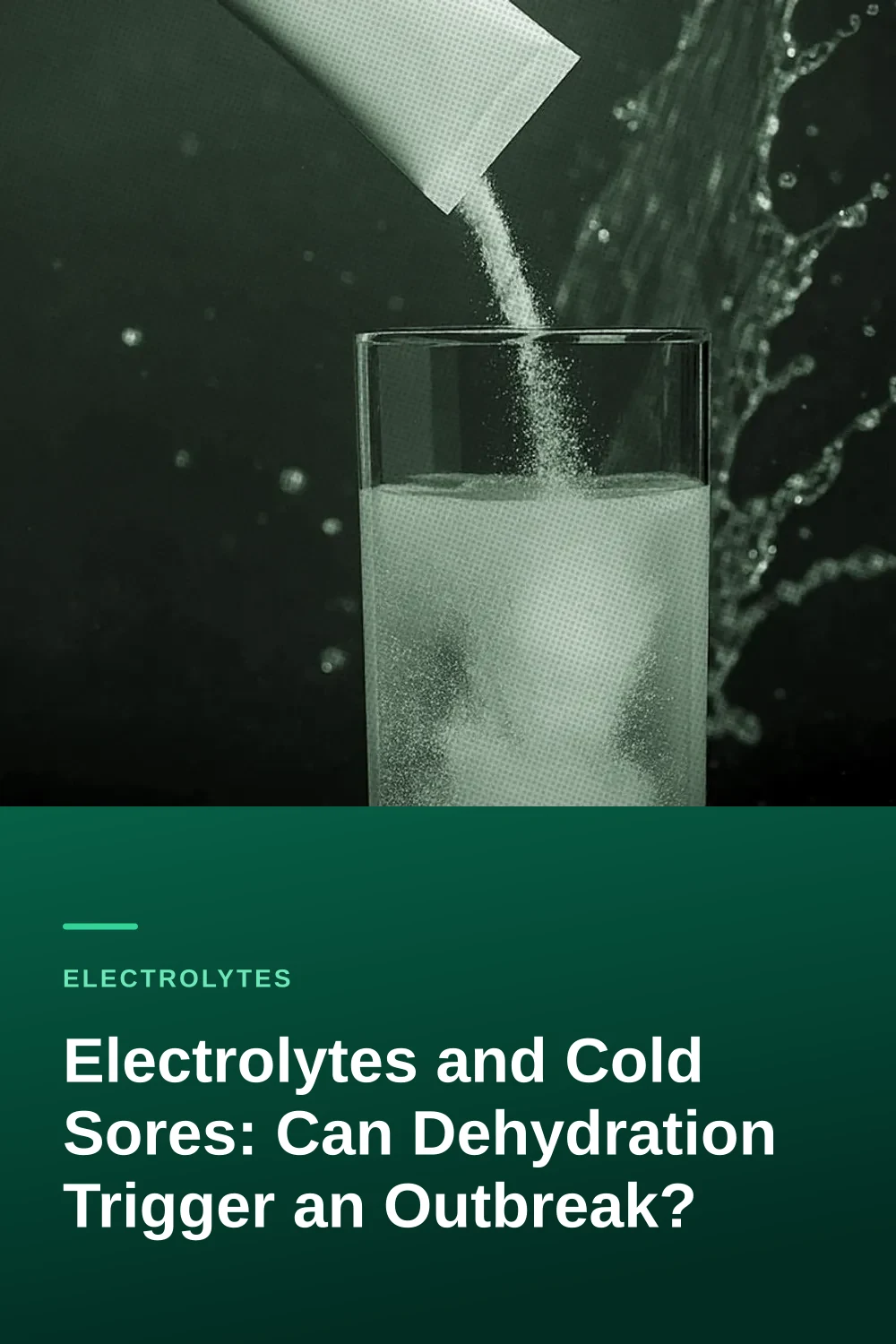
Plain water is not enough during heavy fluid loss, since it can dilute remaining sodium further. An electrolyte drink mix that covers sodium, potassium, and magnesium is a more reliable way to restore balance quickly.
Our current pick is Ultima Replenisher Daily Electrolyte Powder Drink Mix, a zero-sugar option that covers the main electrolytes without added sugar, which matters if you are also trying to manage overall diet quality as part of herpes management.
For everyday prevention rather than acute replacement, food sources work well too: leafy greens and bananas for potassium and magnesium, and simply salting food to taste rather than avoiding sodium unless a doctor has told you otherwise.
Staying hydrated removes one small outbreak trigger
Electrolyte imbalances do not cause cold sores the way a direct antiviral trigger would. But dehydration and mineral loss add to the overall physical stress load that can tip a dormant HSV infection toward reactivation, especially when they show up alongside illness, heat, or intense exercise.
Treating hydration and electrolyte balance as part of a broader prevention strategy, alongside sleep, stress management, and diet, is a reasonable and low-effort addition for anyone who gets frequent outbreaks.
Electrolytes and Cold Sores FAQs
Can electrolytes cause cold sores?
Not directly. Electrolytes have no antiviral action against HSV-1 or HSV-2. However, electrolyte imbalances from dehydration, illness, or heavy sweating add physical stress to the body, and stress is a well-established trigger for outbreaks. The link is indirect, through general immune and nervous system strain, not a direct cause-and-effect mechanism.
Do electrolytes help with cold sores?
They can help indirectly. Replenishing sodium, potassium, and magnesium after illness, exercise, or heat exposure reduces one source of physical stress that is commonly reported alongside outbreaks. Electrolytes are not a treatment for an active cold sore and will not shorten an outbreak on their own, but correcting a deficiency may reduce how often outbreaks are triggered.
Which electrolyte matters most for herpes management?
Magnesium comes up most often, since it plays a role in both immune cell function and nerve excitability, and HSV specifically resides in nerve tissue. Sodium and potassium matter too, mainly through their role in fluid balance and the physical stress response to sudden loss.
Can dehydration alone trigger a cold sore?
Dehydration by itself is unlikely to trigger an outbreak in isolation, but it rarely happens alone. It is usually paired with the underlying cause, illness, heat, intense exercise, or alcohol, all of which are independently linked to outbreaks. Dehydration compounds whatever stress that underlying cause is already placing on the body.
Should I take an electrolyte supplement every day to prevent cold sores?
Daily supplementation is not necessary for most people who eat a varied diet and are not losing unusual amounts of fluid. It is more useful situationally, after a stomach bug, a long workout, a hot day, or a night of drinking, when replenishing lost sodium, potassium, and magnesium can help you recover faster and may lower outbreak risk during that vulnerable window.
Image: Simplix Viral Defense
Simplix Viral Defense
Why we love it:
- Specifically formulated to reduce cold sore outbreaks
- Contains L-Lysine, Red Marine Algae, and Lemon Balm
- Supports immune system during viral challenges
- Helps manage stress-triggered outbreaks