Cold sores (also known as fever blisters) are small, fluid-filled blisters that appear on or around the lips.
They are a symptom of the herpes simplex virus.
Usually, the herpes simplex virus type 1 (HSV-1) causes these sores, although both HSV-1 and HSV-2 can lead to sores in the mouth (oral herpes) and on the genitals (genital herpes).
Cold sores can be uncomfortable and stressful for those affected, often causing embarrassment due to their visibility.
It's important to remember that many people experience these sores; they are a common health issue affecting a significant portion of the population.
The World Health Organization estimates that approximately 67% of the global population under 50 is infected with HSV-1, highlighting the prevalence of this condition.
Vaseline’s Role in Managing Cold Sores
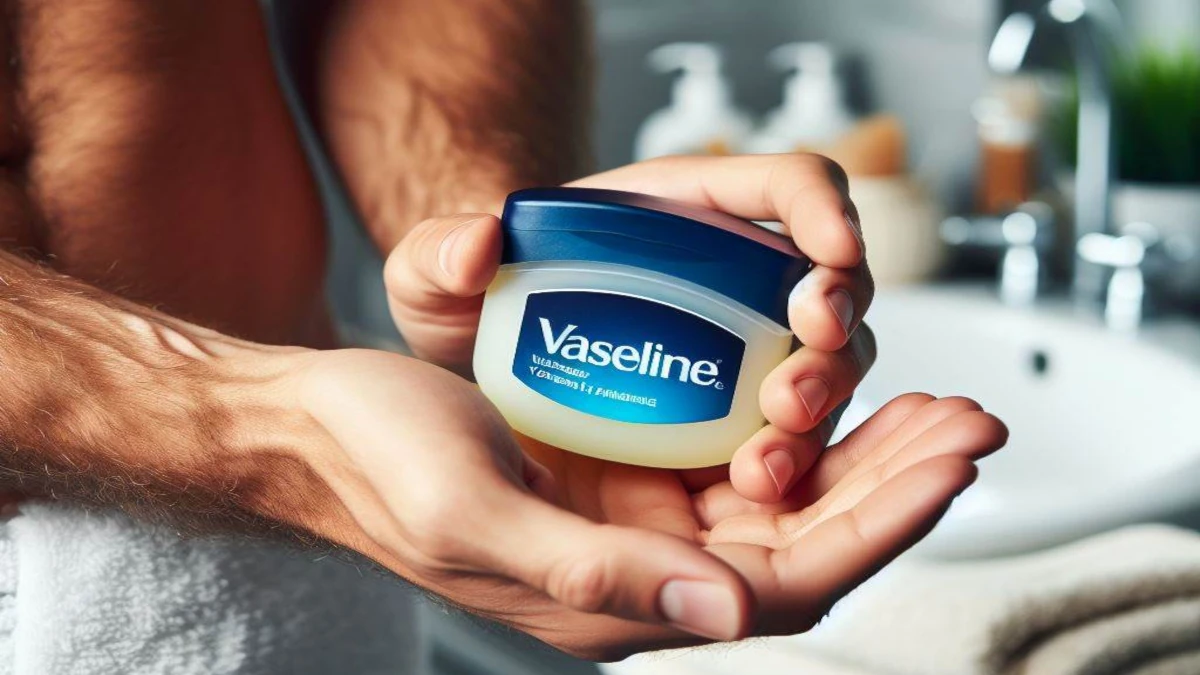
Vaseline, or petroleum jelly, is a common item in many households.
It’s a versatile product that is often used to moisturize dry skin, protect minor cuts and burns, and prevent diaper rash.
Its thick, greasy nature forms a barrier on the skin, trapping moisture underneath.
This makes it effective in keeping skin hydrated and helping it heal.
But does Vaseline help cold sores?
For cold sores, Vaseline can be a useful tool.
The skin around a cold sore can become dry and itchy.
Applying Vaseline can help soothe these symptoms by keeping the skin moisturized.
It can also prevent a cold sore scab from cracking and bleeding, which can be painful.
However, it’s important to remember that while Vaseline can help manage the symptoms of a cold sore, it doesn’t have any active ingredients that can treat the virus causing the cold sore or speed up the healing process.
In fact, cold sores usually resolve on their own within 7 to 14 days, but proper care can alleviate discomfort during this time.
Vaseline and Herpes Outbreaks
Just like with cold sores, Vaseline can help manage the symptoms of a herpes outbreak.
It can soothe the skin and prevent it from becoming too dry.
While it provides symptomatic relief, it's crucial to understand that Vaseline does not treat the herpes virus itself; it merely helps alleviate discomfort associated with outbreaks.
For individuals experiencing frequent outbreaks, consulting with healthcare professionals about antiviral medications may be beneficial for long-term management.
Potential Risks and Misconceptions
There are some misconceptions and potential risks associated with using Vaseline for cold sores and herpes.
One common misconception is that Vaseline can make herpes worse.
While it’s true that excessive application may clog glands or lead to other skin issues, this is generally not a concern if used properly and sparingly.
Furthermore, while Vaseline can help soothe symptoms of cold sores and herpes, it’s not a cure for these conditions.
It's always important to manage these conditions properly to prevent them from worsening or leading to secondary infections.
Applying Vaseline to Cold Sores
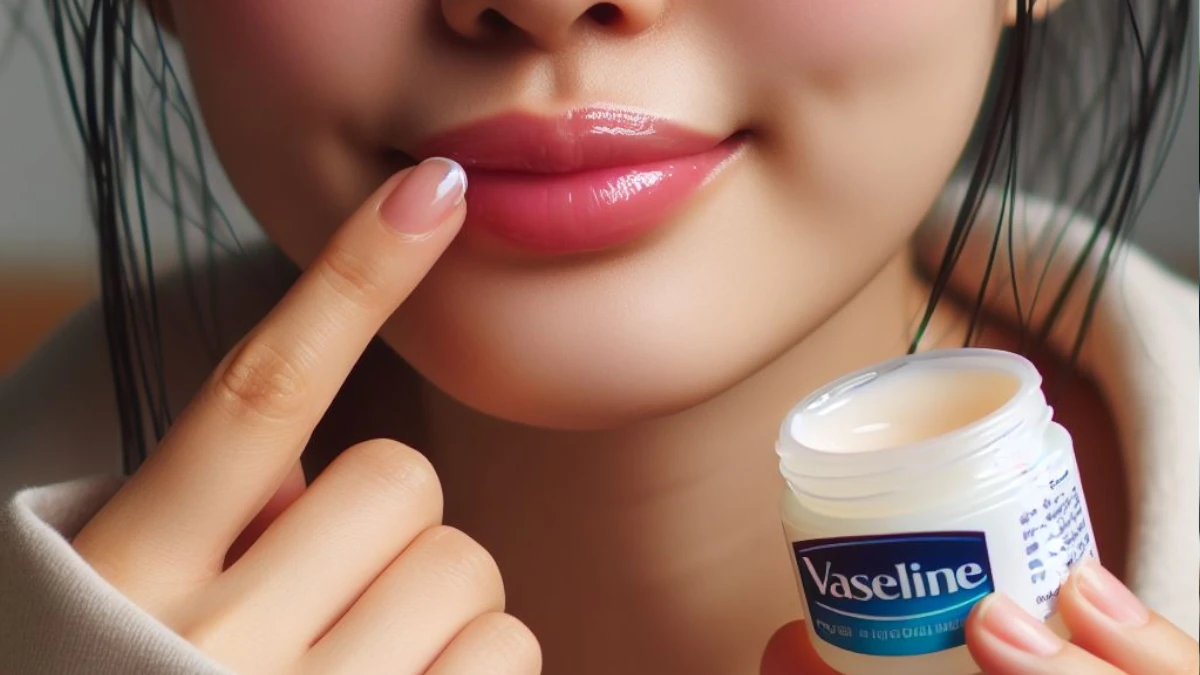
Vaseline, or petroleum jelly, can be applied to cold sores to help keep the area moisturized.
This can prevent the cold sore from drying out and cracking, which can cause discomfort.
However, it’s important to note that Vaseline doesn’t contain any active ingredients that can treat the herpes virus itself or speed up the healing process.
For best results when applying Vaseline:
- Ensure the area around the cold sore is clean before application.
- Apply a thin layer of Vaseline several times a day as needed.
- Avoid excessive use which may lead to greasiness without additional benefits.
Can Vaseline Spread Herpes?
If someone with a cold sore uses Vaseline and then another person uses the same Vaseline, there is a possibility of spreading the virus.
The herpes simplex virus (HSV) can survive outside of the body for a limited time, and the environment plays a crucial role in its longevity.
Specifically, when present in a warm and moist environment, such as Vaseline, the herpes virus may remain viable for a longer duration compared to dry surfaces.
That said, expert sources suggest that the herpes virus can typically only live in inanimate objects like lip balm or petroleum jelly for only a few hours.
That said, it's always important to avoid sharing personal items like lip balm or Vaseline to prevent transmission of the virus.
In general, practicing good hygiene and avoiding direct contact with cold sores are key measures to minimize risk.
When to Apply Vaseline
Some people find it helpful to apply Vaseline to cold sores during an outbreak.
It can be applied to the sores to keep them moist and prevent them from cracking.
However, it’s recommended to start taking medications at the first sign of an outbreak (such as tingling, itching, or burning) rather than relying solely on Vaseline for relief.
Additionally, maintaining good hydration and avoiding known triggers—like stress or excessive sun exposure—can also play a crucial role in managing outbreaks effectively.
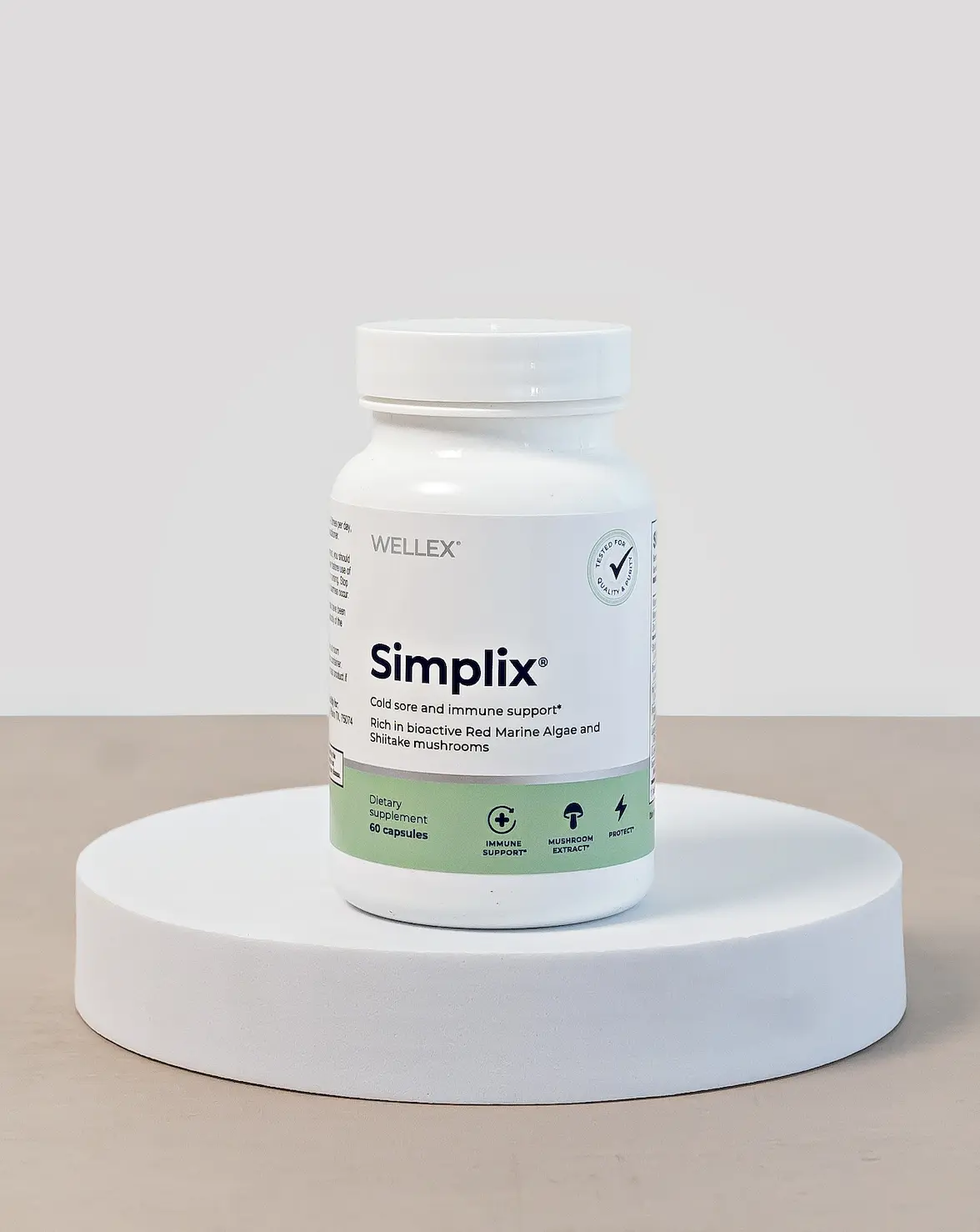
Image: Simplix Viral Defense
Simplix Viral Defense
Why we love it:
- Specifically formulated to reduce cold sore outbreaks
- Contains L-Lysine, Red Marine Algae, and Lemon Balm
- Supports immune system during viral challenges
- Helps manage stress-triggered outbreaks
Recommended Supplements for Herpes Management
Simplix Viral Defense
Cold Sore & HSV Support
Simplix Viral Defense
Cold Sore & HSV Support
Synergistic formula combining L-Lysine, shiitake mushroom, and marine bioactives for comprehensive immune support.
SHOP NOW & SAVE 15%