Cold sores are caused by the herpes simplex virus (HSV) and can be uncomfortable and distressing.
While herpes can't be transmitted through food, many factors can trigger outbreaks in those who already have the virus, including diet.
Peanuts are often scrutinized for their potential to cause cold sores due to their high arginine content.
While peanuts aren't technically nuts but legumes, they share similar nutritional benefits and concerns with tree nuts.
Simplix Viral Defense
Cold Sore & HSV Support
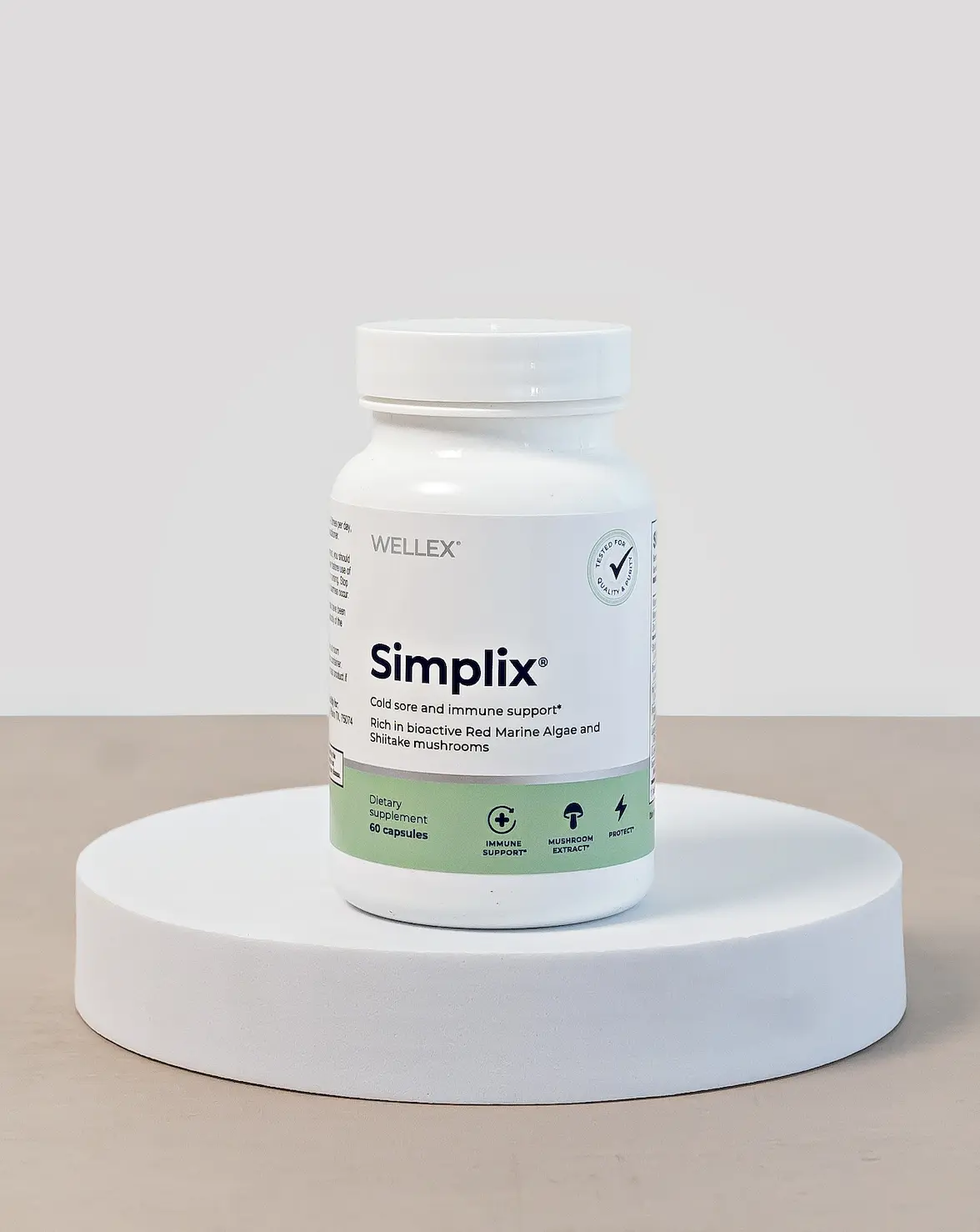
Simplix Viral Defense
Cold Sore & HSV Support
Synergistic formula combining L-Lysine, shiitake mushroom, and marine bioactives for comprehensive immune support.
SHOP NOW & SAVE 15%The Role of Arginine in Cold Sores
Peanuts are notably high in arginine, an amino acid that can promote herpes virus replication. Specifically, peanuts contain about 1 gram of arginine per 30 grams. This can be significant for people prone to cold sores. Peanuts alone are unlikely to trigger an outbreak.

Nutritional Profile of Peanuts
Peanuts offer a variety of nutritional benefits, making them healthy in moderation. Here are some key nutritional facts:
- Calories: A ¼ cup serving of raw peanuts contains about 207 calories.
- Protein: Peanuts are a great plant-based protein source, providing around 9 grams per serving.
- Healthy Fats: They're rich in monounsaturated and polyunsaturated fats, which benefit heart health.
- Fiber: Peanuts contain about 3 grams of fiber per serving, aiding digestion and promoting fullness.
- Vitamins and Minerals: Peanuts are a source of several essential nutrients, including vitamin E, magnesium, phosphorus, and B vitamins.
Despite these benefits, peanuts have some drawbacks. They're calorie-dense and can contribute to weight gain if consumed excessively. Additionally, peanut allergies are common and can cause severe reactions. Therefore, it's essential to be mindful of portion sizes and individual tolerance.
Moderation is Key
Eating peanuts in moderation is generally acceptable, even for those experiencing cold sores. You don't need to eliminate peanuts entirely from your diet. Instead, focus on the overall balance of your meals.
If your diet is heavy in arginine-rich foods, including various nuts, you may increase your outbreak risk. If you notice frequent cold sores, consider reducing high-arginine foods like peanuts while boosting your lysine intake.
Natural Sources of Lysine
Lysine is another essential amino acid that can help inhibit the herpes virus. Increasing your lysine intake may help balance arginine's effects. Good natural lysine sources include:
- Dairy Products: Yogurt, cheese, and milk.
- Meat and Poultry: Chicken, beef, and turkey.
- Fish: Cod and salmon.
- Legumes: Beans and lentils are excellent plant-based sources.
- Eggs: A versatile lysine source that fits easily into your meals.
Adding these lysine-rich foods to your diet can help reduce cold sore outbreak frequency. Probiotics can also support your immune system and gut health, which may help manage herpes outbreaks.
Other Nuts and Foods to Consider
While peanuts are high in arginine, other nuts also contain significant amounts. For example, almonds, walnuts, and hazelnuts have higher arginine levels compared to lysine. If you're prone to cold sores, it might help to limit your intake of these nuts as well. However, moderation is essential; you don't need to eliminate them entirely.
In addition to peanuts, other foods high in arginine include:
- Chocolate: Known to trigger outbreaks in some people.
- Certain Whole Grains: Foods like oats and wheat.
- Citrus Fruits: Some people report that these can trigger outbreaks.
Limiting these foods may help reduce cold sore outbreak chances.
Limit peanuts during outbreaks if you are prone to cold sores
While peanuts are high in arginine and could contribute to cold sore outbreaks, they're not the sole cause.
A balanced diet that includes lysine-rich foods and limits excessive arginine-rich food consumption can help manage herpes outbreak risk.
If you often experience cold sores, consider consulting a healthcare professional for personalized dietary advice and potential supplements to support your immune health.
Image: Simplix Viral Defense
Simplix Viral Defense
Why we love it:
- Specifically formulated to reduce cold sore outbreaks
- Contains L-Lysine, Red Marine Algae, and Lemon Balm
- Supports immune system during viral challenges
- Helps manage stress-triggered outbreaks