Yes, dogs can get cold sores, but the cause and nature of these sores differ from those in humans.
In dogs, cold sores are often linked to the canine herpes virus (CHV), a contagious virus specific to dogs that can cause sores, blisters, or bumps around the lips, snout, or mouth.
Unlike human cold sores caused by HSV-1, CHV primarily affects puppies and young dogs, sometimes severely, while adult dogs usually experience mild or no symptoms.
Understanding the signs and treatment options is important for pet owners to ensure proper care and prevent spread.
Symptoms of Cold Sores in Dogs
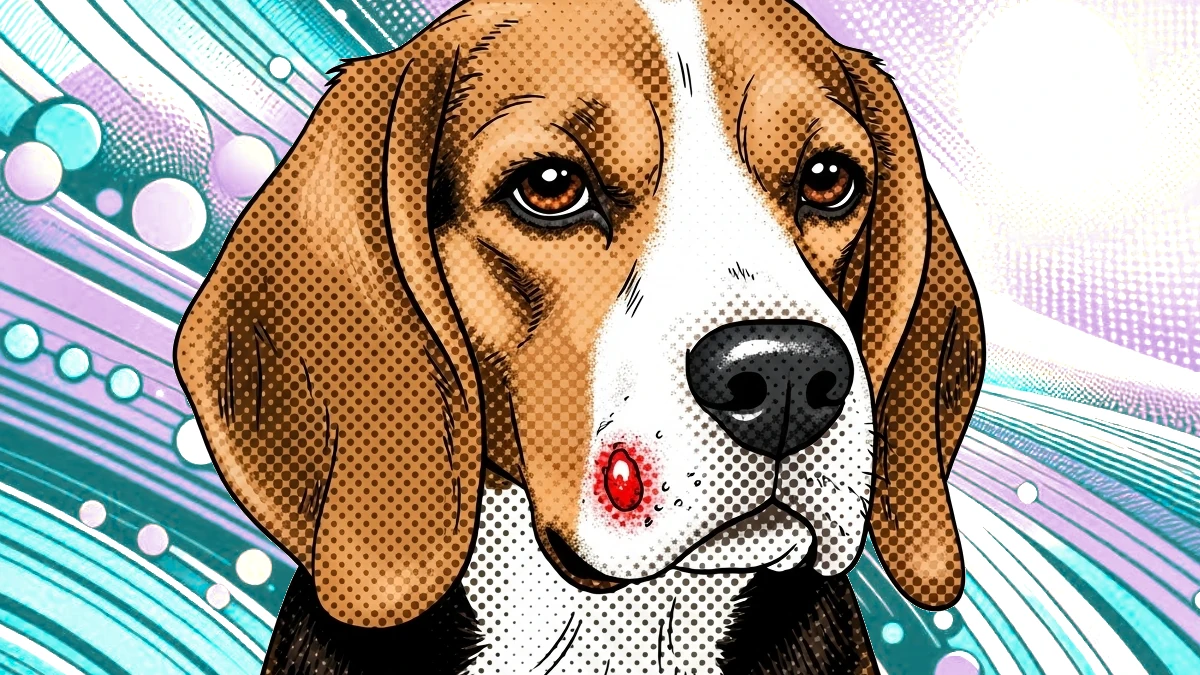
Cold sores in dogs typically appear as red bumps, blisters, or pimples on or around the lips, snout, or inside the mouth.
Dogs may persistently lick or paw at the affected area due to discomfort.
Other symptoms include discoloration of the lips, tongue, or gums, loss of appetite, and difficulty chewing because of soreness.
In some cases, dogs may avoid being touched around the mouth or show signs of pain.
Causes and Transmission of Canine Cold Sores
The main cause of cold sores in dogs is the canine herpes virus (CHV), which is contagious among dogs.
It can spread through direct contact, such as nose-to-nose interaction, mating, or from mother to puppies during birth.
CHV is especially dangerous for newborn puppies, often leading to severe illness or death, whereas adult dogs usually have mild symptoms or are asymptomatic carriers.
Other conditions like eosinophilic granuloma or skin infections can also cause cold sore-like lesions and should be ruled out by a vet.
Treatment and Care for Dogs with Cold Sores
Treatment for canine cold sores depends on the dog's age and severity of symptoms.
In adult dogs, cold sores often resolve with rest and supportive care.
Preventing excessive licking or scratching with an Elizabethan collar can help avoid secondary infections.
Veterinarians may prescribe antiviral medications, antibiotics, or corticosteroids if needed, especially for puppies or severe cases.
Keeping infected dogs isolated during outbreaks helps prevent spreading the virus to other dogs.
Prevention and When to See a Veterinarian
Keeping dogs up to date with vaccinations and avoiding contact with infected dogs are key preventive measures.
Breeders should ensure both parents are healthy to reduce risk of CHV transmission to puppies.
If you notice persistent sores, worsening symptoms, or if your puppy shows signs of illness, consult a veterinarian promptly for diagnosis and treatment.
Early intervention can improve outcomes, especially in young dogs.
Cold Sores and Herpes in Dogs FAQs
Do dogs get cold sores?
Dogs do not get cold sores caused by the human herpes simplex virus (HSV-1). However, they can develop cold sore-like lesions primarily due to canine herpes virus (CHV), which affects dogs differently. CHV symptoms often resemble respiratory or genital infections rather than typical human cold sores, and dogs may also develop sores or ulcers around the mouth or lips from various causes.
Can dogs contract cold sores from humans?
No, dogs cannot contract cold sores from humans. The human herpes simplex virus (HSV-1) does not infect dogs. Similarly, dogs cannot transmit canine herpes virus to humans. Each species has its own distinct herpes viruses that do not cross-infect.
How does herpes spread between dogs?
Canine herpes virus spreads primarily through direct contact between dogs, including nose-to-nose interaction, mating, and from mother to puppies during birth. The virus is most contagious when sores are open or secreting fluid but can also be transmitted by asymptomatic carriers. Stress, immune suppression, or breeding practices can increase transmission risk.
What are the symptoms of dog herpes?
Symptoms vary by age and severity. Puppies infected with CHV may show lethargy, loss of appetite, nasal discharge, conjunctivitis, and oral or genital sores, often with severe illness. Adult dogs may have mild or no symptoms but can develop eye infections, respiratory signs (coughing, sneezing), or sores around the lips and snout. Persistent licking, pawing at the sore area, discoloration of lips or gums, and changes in eating behavior are common signs.
How to treat cold sores in dogs?
Treatment depends on the dog's age and symptom severity. In adult dogs, cold sores often resolve with supportive care such as rest and preventing excessive licking or scratching, which can worsen sores or cause infection. Elizabethan collars may help. Puppies with systemic illness require veterinary care, including supportive treatments like fluids, nutrition, and possibly antiviral or antibiotic medications. Early veterinary diagnosis is important if sores persist or worsen.
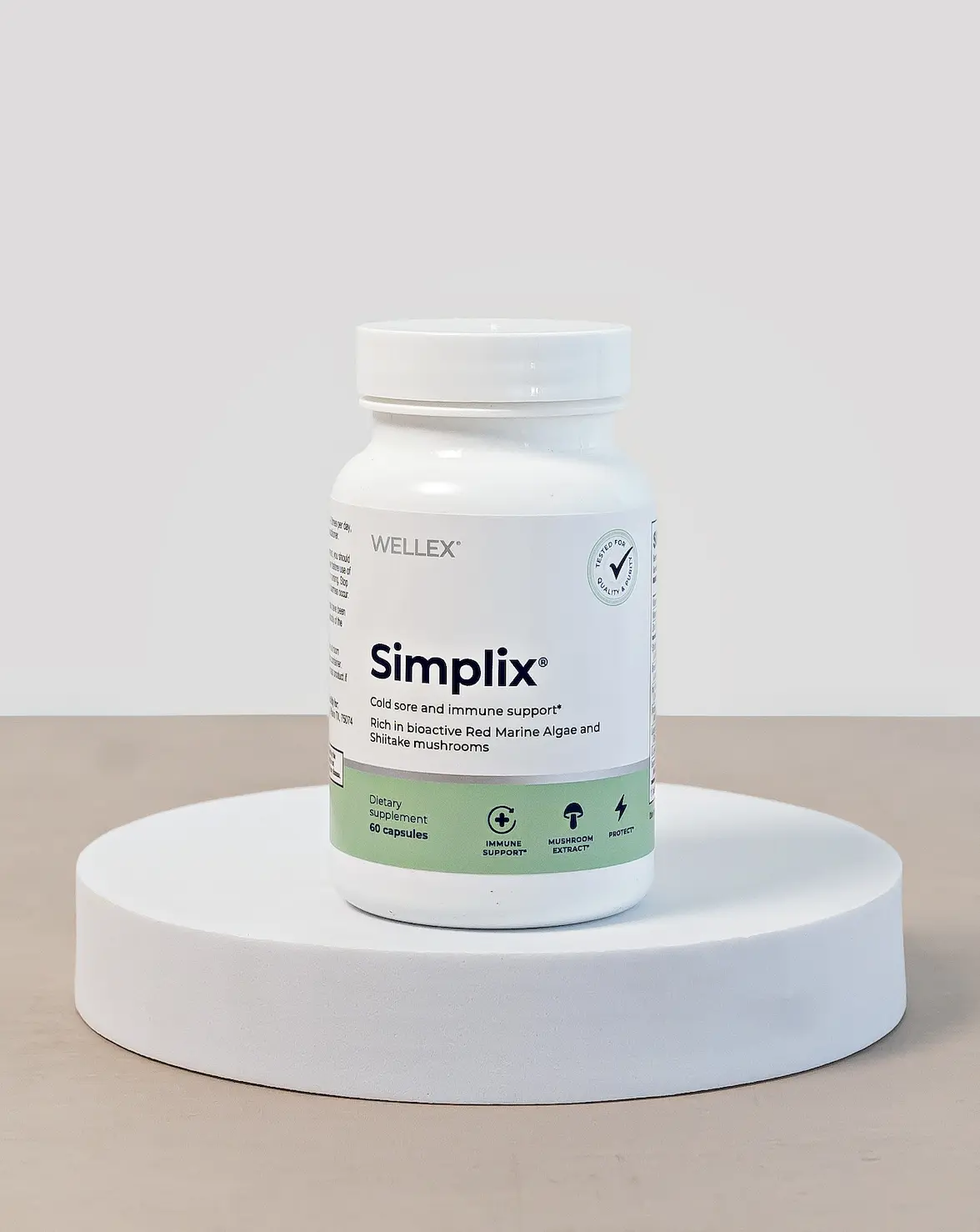
Image: Simplix Viral Defense
Simplix Viral Defense
Why we love it:
- Specifically formulated to reduce cold sore outbreaks
- Contains L-Lysine, Red Marine Algae, and Lemon Balm
- Supports immune system during viral challenges
- Helps manage stress-triggered outbreaks
Recommended Supplements for Herpes Management
Simplix Viral Defense
Cold Sore & HSV Support
Simplix Viral Defense
Cold Sore & HSV Support
Synergistic formula combining L-Lysine, shiitake mushroom, and marine bioactives for comprehensive immune support.
SHOP NOW & SAVE 15%