Cold sores are caused by the herpes simplex virus (HSV), which can remain dormant in the body and reactivate under certain conditions. A common question is whether antibiotics can trigger cold sore outbreaks. While antibiotics do not directly cause herpes infections, recent studies suggest they may indirectly increase the risk of viral reactivation.
What Does the Research Say?
A 2022 population-based study found an association between prior antibiotic prescriptions and an increased risk of herpes zoster, a related virus that causes shingles.
The study suggested that antibiotics might contribute to virus reactivation even years after use, particularly in younger adults.
Though this research focused on varicella zoster virus, it highlights a possible link between antibiotics and herpesvirus reactivation, which may extend to HSV responsible for cold sores.
How Might Antibiotics Trigger Cold Sores?
Antibiotics significantly alter the bacterial microbiome, the community of beneficial bacteria in the gut and on the skin.
This disruption, known as dysbiosis, can impair the immune system’s ability to control latent viruses like HSV.
Animal studies have shown that a healthy microbiome supports immune cells that keep viruses in check.
When antibiotics disturb this balance, immune regulation may weaken, increasing the likelihood of viral reactivation and cold sore outbreaks.
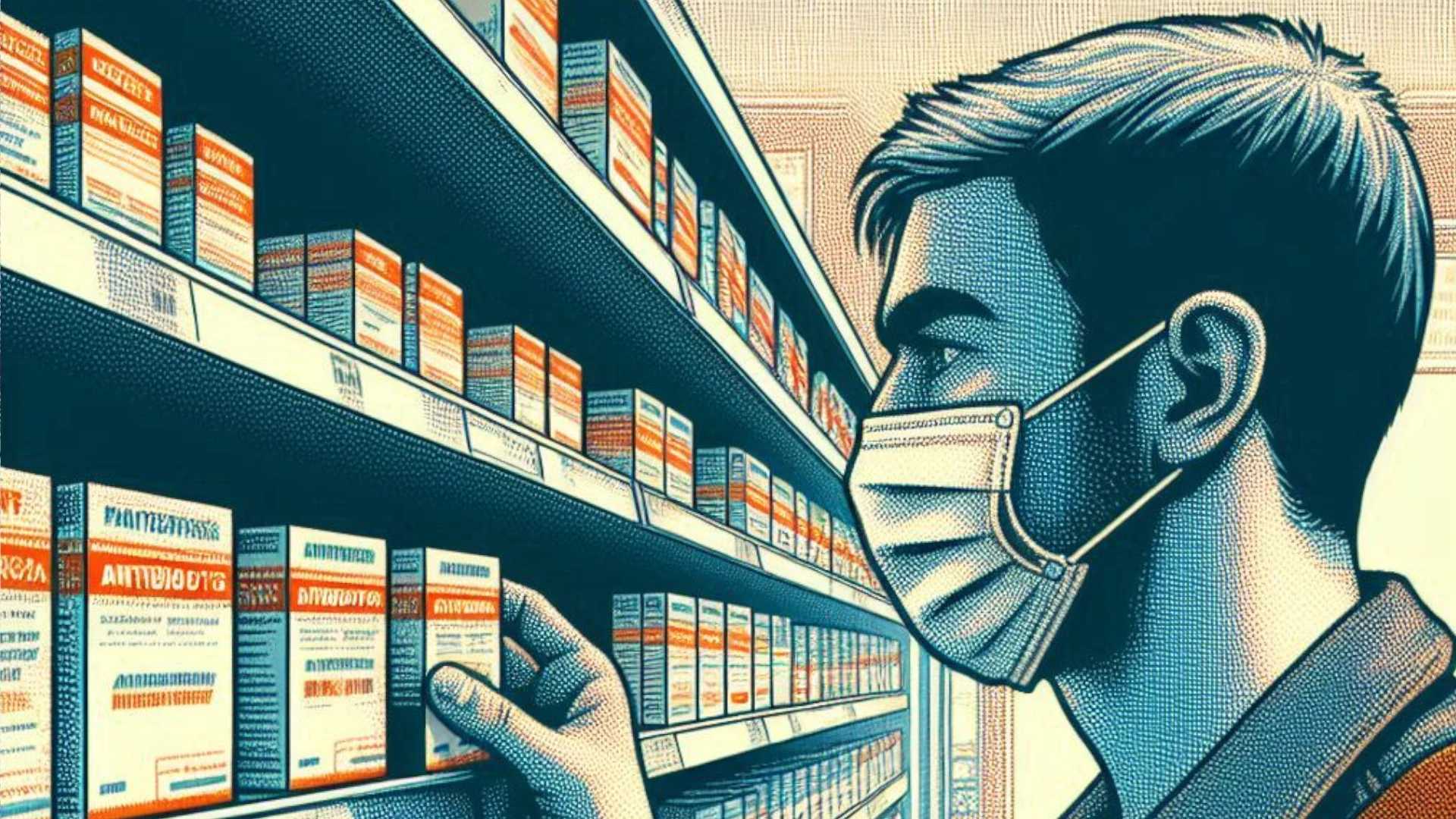
Are All Antibiotics Equally Likely to Trigger Cold Sores?
Current evidence does not specify which antibiotics are more likely to contribute to herpes reactivation.
However, some research on topical antibiotics like neomycin has shown unexpected antiviral effects in animal models, suggesting that the relationship between antibiotics and viruses is complex.
More research is needed to clarify which antibiotics, dosages, and treatment durations might influence cold sore risk.
Other Factors That Influence Cold Sore Reactivation
Besides antibiotics, many factors can trigger cold sores, including stress, illness, sun exposure, hormonal changes, and immune suppression. Antibiotic use may be one factor among many that affect the immune system and viral activity. It’s also possible that the underlying illness requiring antibiotics or associated stress contributes to outbreaks rather than the antibiotics themselves.
What Should You Do If You’re Concerned?
If you frequently experience cold sores and need antibiotics, discuss your concerns with your healthcare provider. They may recommend preventive measures such as antiviral medications during antibiotic treatment to reduce outbreak risk. Maintaining a healthy lifestyle, managing stress, and supporting your immune system can also help minimize cold sore occurrences.
FAQs: Do Antibiotics Trigger Cold Sores?
Can antibiotics cause cold sores?
Antibiotics do not directly cause cold sores, but they may indirectly trigger outbreaks by disrupting the microbiome and weakening the immune system, which can allow dormant herpes simplex virus (HSV) to reactivate.
Which antibiotics are most likely to trigger cold sores?
There is currently no clear evidence identifying specific antibiotics that are more likely to trigger cold sores. The relationship between antibiotics and herpes reactivation is complex and requires further research.
How do antibiotics affect the risk of herpes virus reactivation?
Antibiotics can disrupt the balance of beneficial bacteria in the gut and skin (the microbiome), which plays a role in regulating the immune system. This disruption may reduce immune control over latent viruses like HSV, increasing the risk of reactivation.
Does the illness requiring antibiotics contribute to cold sore outbreaks?
Yes, the underlying illness or stress that necessitates antibiotic treatment can itself be a trigger for cold sores, making it difficult to separate the effects of antibiotics from other factors.
Can antiviral medications prevent cold sores during antibiotic use?
For individuals prone to frequent cold sores, healthcare providers may recommend antiviral medications during antibiotic treatment to help prevent outbreaks.
What can I do to reduce the risk of cold sores when taking antibiotics?
Maintain a healthy lifestyle, manage stress, follow your healthcare provider’s advice, and discuss preventive antiviral options if you have a history of cold sores.
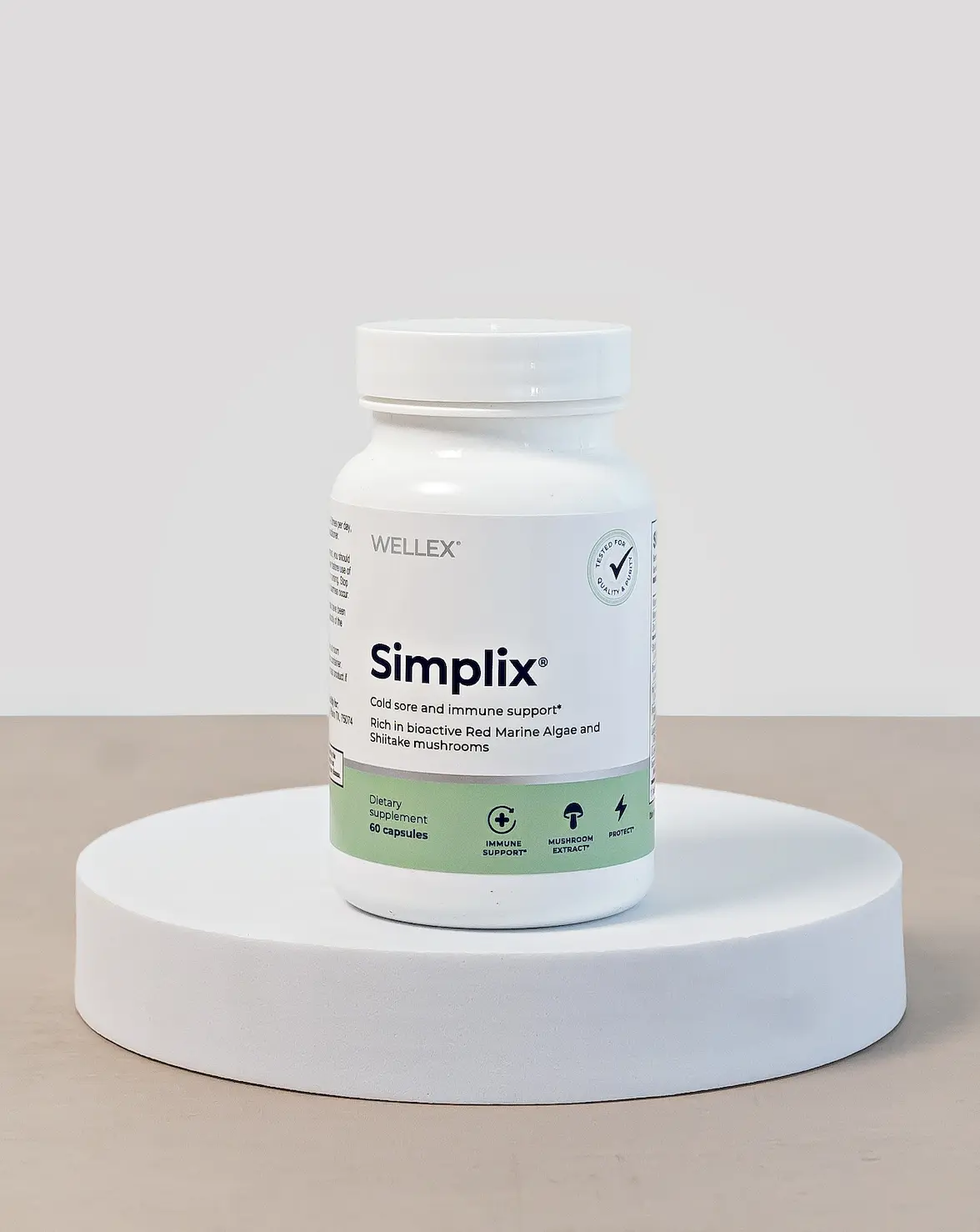
Image: Simplix Viral Defense
Simplix Viral Defense
Why we love it:
- Specifically formulated to reduce cold sore outbreaks
- Contains L-Lysine, Red Marine Algae, and Lemon Balm
- Supports immune system during viral challenges
- Helps manage stress-triggered outbreaks
Recommended Supplements for Herpes Management
Simplix Viral Defense
Cold Sore & HSV Support
Simplix Viral Defense
Cold Sore & HSV Support
Synergistic formula combining L-Lysine, shiitake mushroom, and marine bioactives for comprehensive immune support.
SHOP NOW & SAVE 15%