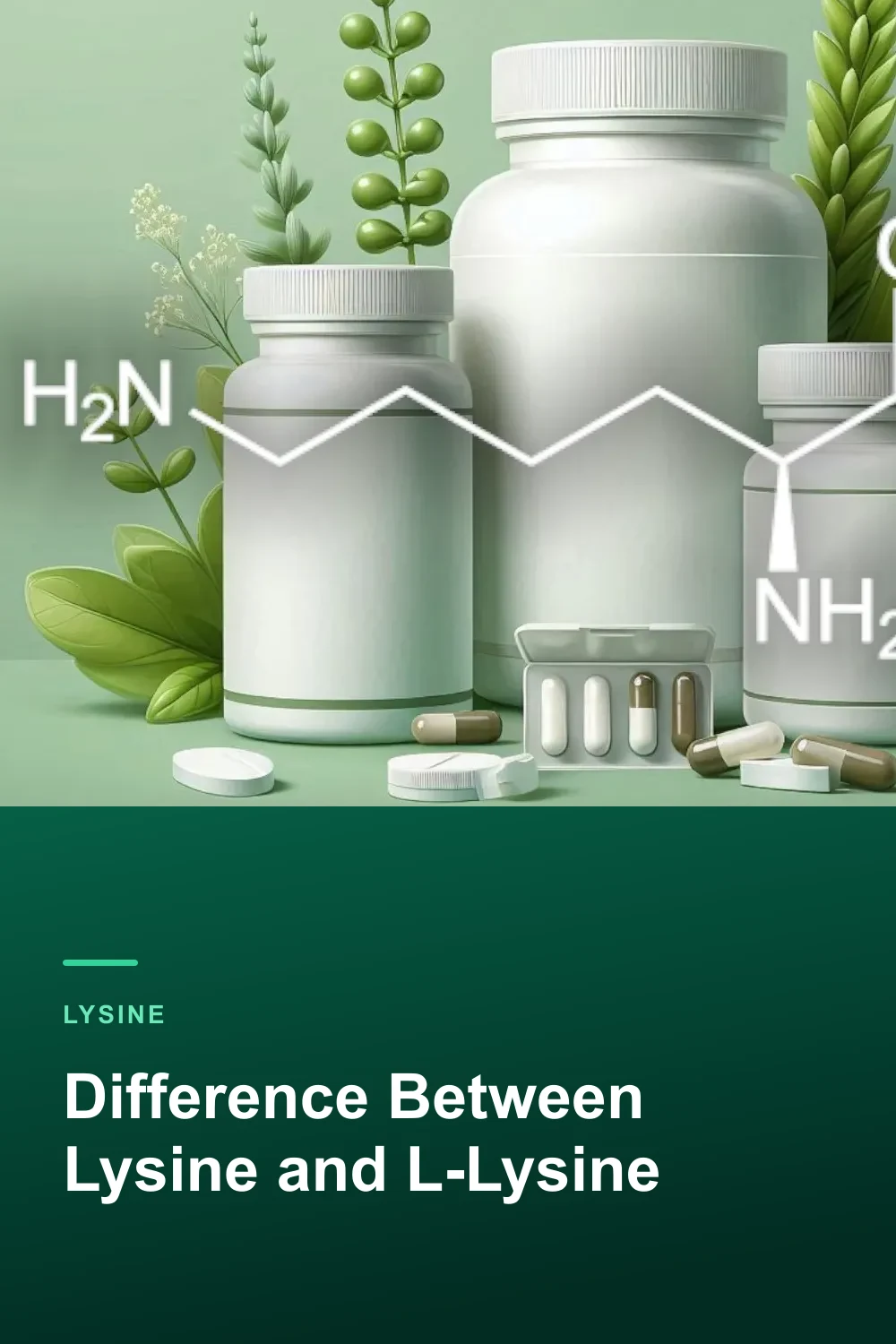
Lysine and L-lysine are essential amino acids playing important roles in human health and nutrition.
While they're often used interchangeably, significant differences exist between the two forms.
Understanding these distinctions is important for optimizing health benefits, particularly in managing conditions like cold sores caused by the herpes simplex virus (HSV).
This article explores the differences between lysine and L-lysine, their biological activity, dietary sources, and potential applications in supporting overall health and preventing herpes outbreaks.
Simplix Viral Defense
Cold Sore & HSV Support
Simplix Viral Defense
Cold Sore & HSV Support
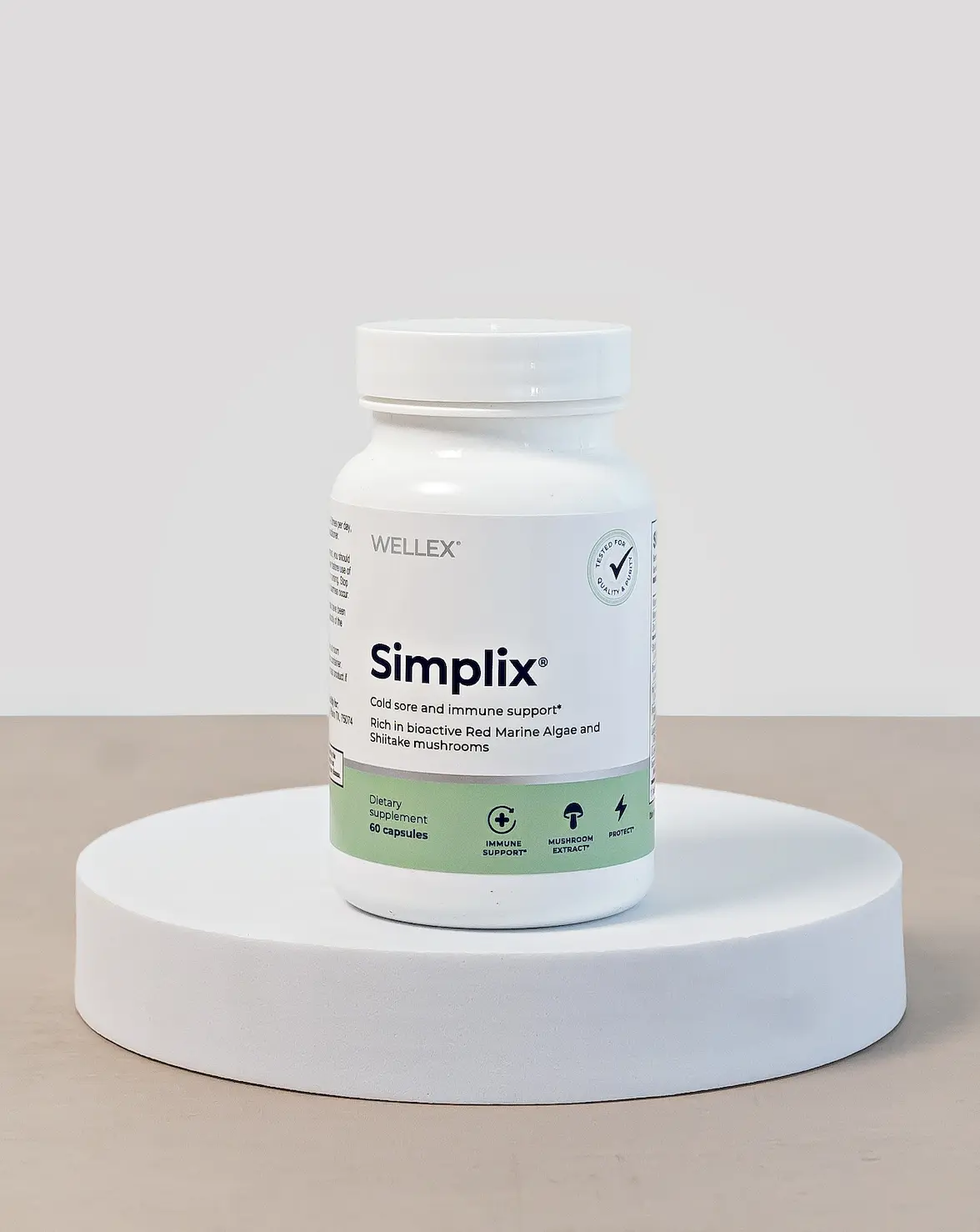
Synergistic formula combining L-Lysine, shiitake mushroom, and marine bioactives for comprehensive immune support.
SHOP NOW & SAVE 15%What is Lysine?
Lysine, scientifically known as α-lysine, is one of the essential amino acids your body can't synthesize on its own. You must obtain it through dietary sources or supplements. Lysine is vital for numerous physiological processes, including protein synthesis, hormone production, and calcium absorption.
It also plays a important role in collagen formation, a protein that provides structure and support to various tissues like skin, tendons, and bones. Maintaining adequate lysine levels is essential for overall health and well-being.
What is L-Lysine?
L-lysine is the biologically active form of lysine that your body can effectively utilize for various functions.
The "L" stands for "levo," indicating the specific spatial arrangement of the amino acid's atoms, which allows it to participate in biochemical reactions.
In most nutritional and health contexts, L-lysine is the relevant form, as it's the one your body can use for protein synthesis, collagen formation, and other vital processes.
Understanding the distinction between lysine and L-lysine is important when discussing supplementation and health benefits, as L-lysine is the form that provides the most effective support.
Key Differences Between Lysine and L-Lysine
- Biological Activity: L-lysine is the active form your body utilizes for protein synthesis, collagen formation, and other essential functions. The term "lysine" can encompass both active and inactive forms, leading to potential confusion. It's important to specify L-lysine when discussing its benefits and applications.
- Usage in Supplements: Most dietary supplements contain L-lysine, as it's the form that provides the most effective health benefits. When discussing supplementation, it's important to specify L-lysine to ensure clarity regarding its efficacy and to differentiate it from other forms that may not provide the same level of support.
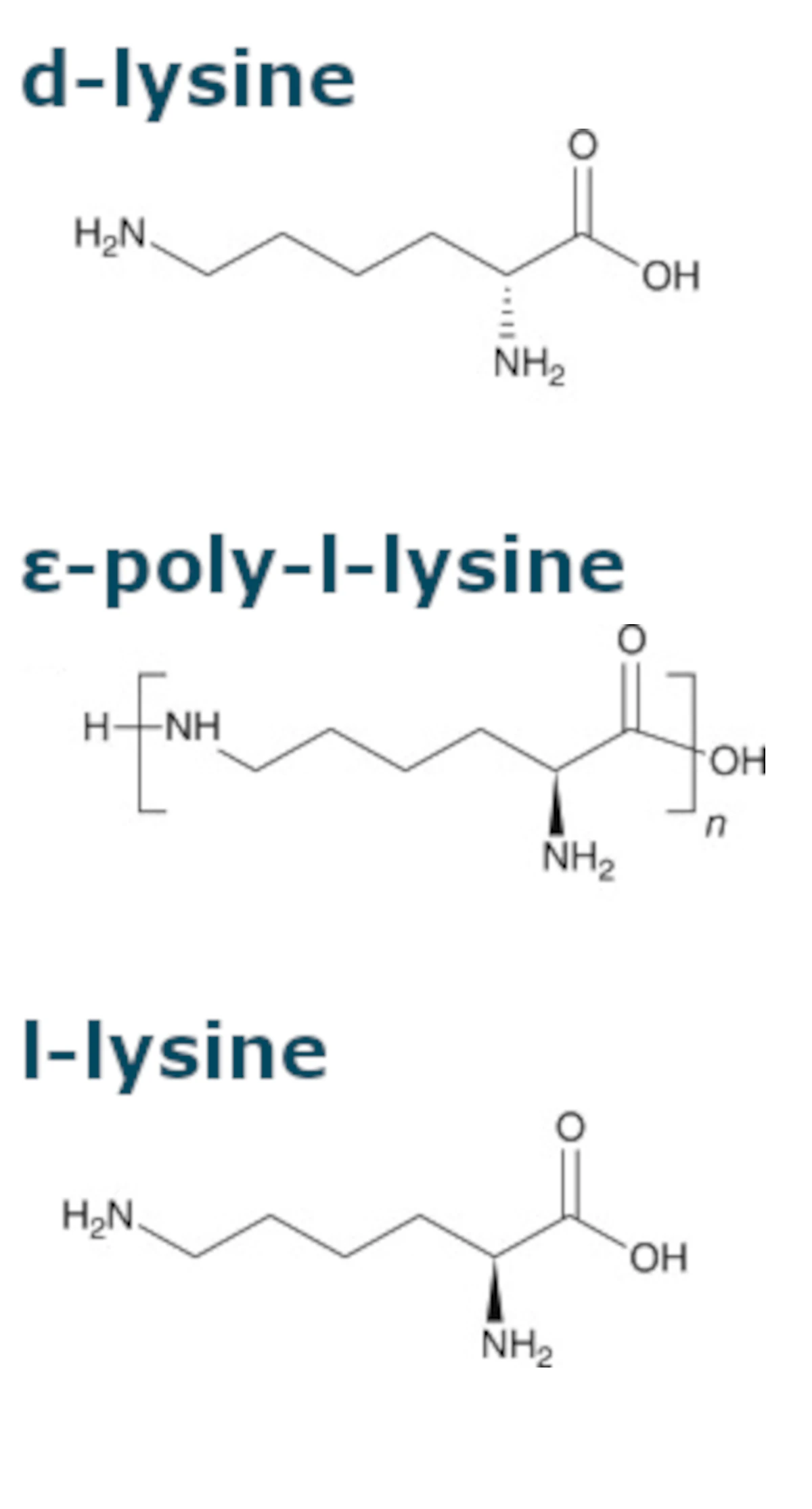
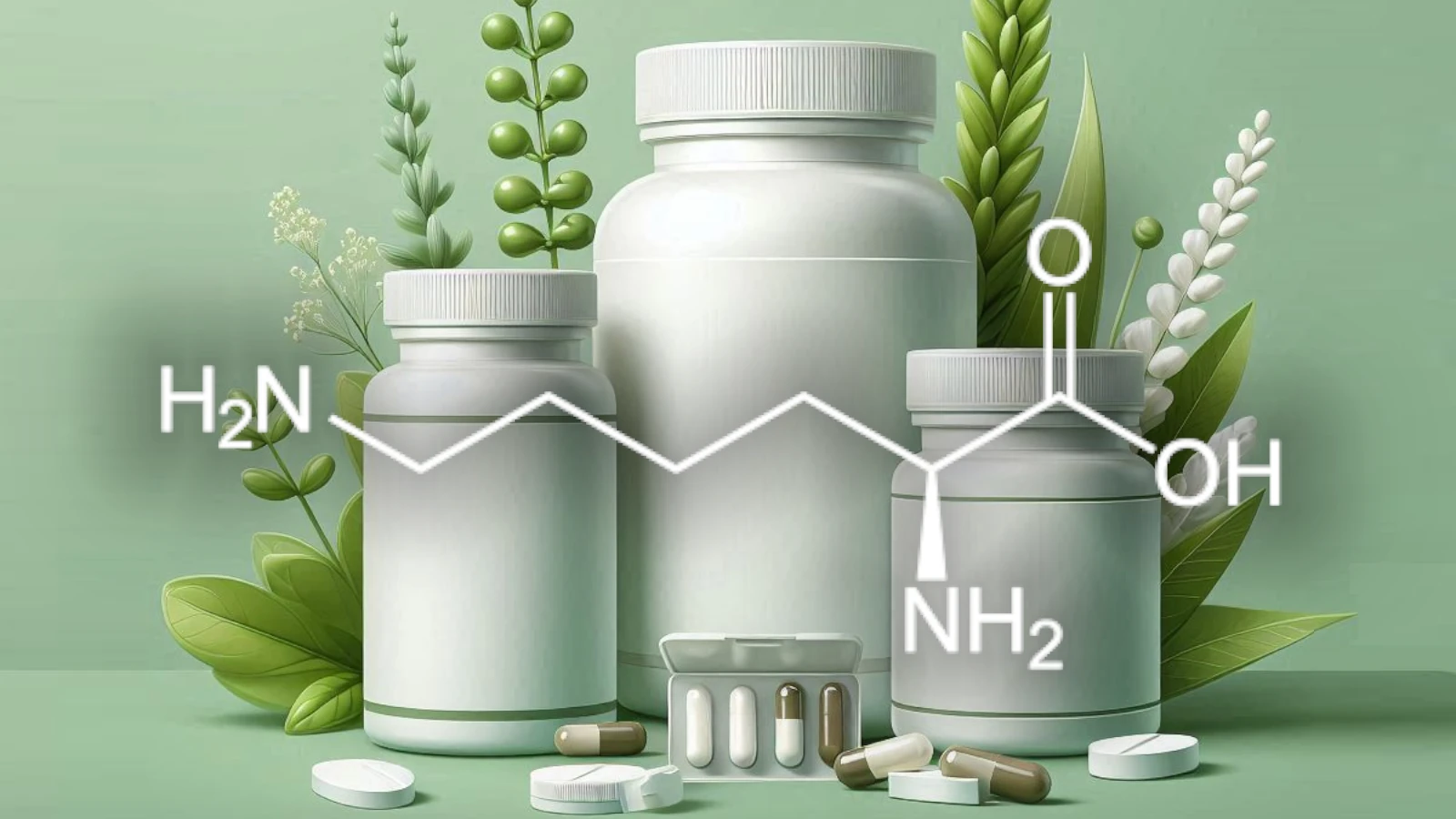
- Chemical Structure: The structural differences between L-lysine and D-lysine affect their biological roles and interactions within the body. L-lysine is involved in numerous metabolic pathways and can participate in various biochemical reactions, while D-lysine doesn't contribute effectively to protein synthesis and other vital processes.
| Characteristic | Lysine | L-Lysine | |
|---|---|---|---|
| Structure | Biological Activity | Can refer to both active and inactive forms | The biologically active form utilized by the body |
| Usage in Supplements | May refer to different forms, including inactive ones | The preferred form in dietary supplements | |
| Chemical Structure | Includes both L-lysine and D-lysine | The specific spatial arrangement allowing participation in biochemical reactions | |
The Role of Lysine in the Body
Lysine, particularly in its L-lysine form, is involved in several critical biological processes essential for maintaining overall health and well-being:
- Protein Synthesis: As a protein building block, L-lysine is necessary for tissue growth, repair, and maintenance throughout your body. It contributes to structural protein, enzyme, and other important molecule production.
- Calcium Absorption: L-lysine enhances your body's ability to absorb and utilize calcium, vital for maintaining strong bones and teeth. Adequate calcium absorption is essential for preventing conditions like osteoporosis.
- Collagen Formation: L-lysine is a key collagen production component, a protein providing structure, elasticity, and support to various tissues, including skin, tendons, ligaments, and bones. Collagen is essential for maintaining healthy skin and joint function.
- Hormone Production: L-lysine plays a role in hormone and enzyme synthesis that regulate various bodily functions, such as metabolism, growth, and development. It contributes to hormone production like insulin and growth hormone.
Dietary Sources of Lysine
To maintain adequate lysine levels, particularly in its L-lysine form, it's essential to consume a balanced diet rich in foods naturally high in this essential amino acid. Some best lysine dietary sources include:
- Meat: Red meat, pork, and poultry are among the richest lysine sources, providing high concentrations in readily available form.
- Dairy Products: Cheese, particularly parmesan, and other dairy products like milk and yogurt provide significant lysine amounts. Dairy is an excellent L-lysine source for vegetarians or vegans.
- Fish: Certain fish, such as cod, sardines, and tuna, are also excellent lysine sources, making them a great balanced diet addition.
- Legumes: Beans, lentils, and soy products like tofu and tempeh are excellent plant-based lysine sources for vegetarians and vegans. Incorporating these foods into your diet ensures adequate essential amino acid intake.
- Eggs: Eggs are another good lysine source, providing a complete and bioavailable form. They're a versatile and convenient healthy diet addition.
Lysine vs L-Lysine for Cold Sores
Cold sores, caused by the herpes simplex virus (HSV), are common viral infections characterized by painful blisters around the lips and mouth. Many individuals seek ways to manage or prevent these outbreaks, leading to interest in L-lysine's potential role. Research suggests L-lysine may help prevent HSV outbreaks by inhibiting arginine activity, another amino acid promoting HSV replication. By blocking arginine's effects, L-lysine may reduce cold sore outbreak frequency and severity.
While L-lysine's effectiveness in treating active cold sore outbreaks is less clear, some studies show regular L-lysine supplementation may reduce outbreak frequency. A common recommendation for those considering L-lysine for cold sore prevention is 1,000–3,000 mg daily. However, individual needs vary, and it's advisable to consult a healthcare professional before starting any supplementation regimen.
Potential Side Effects and Considerations
L-lysine is generally considered safe at appropriate doses.
However, some individuals may experience mild side effects, such as gastrointestinal discomfort or diarrhea.
It's essential to be cautious with high doses, especially for individuals with certain health conditions, such as kidney disease, as excessive intake may lead to potential complications.
Additionally, those taking medications should consult a healthcare professional before starting L-lysine supplementation to ensure compatibility and avoid adverse interactions.
Lysine and L-lysine are the same supplement
Lysine and L-lysine refer to the same essential amino acid, with L-lysine being the biologically active form your body utilizes for various physiological functions. Lysine is important for protein synthesis, calcium absorption, collagen formation, and hormone production. All essential for maintaining overall health and well-being.
When managing herpes simplex virus cold sores, L-lysine may offer preventive benefits by inhibiting virus replication and reducing outbreak frequency. However, its effectiveness in treating active outbreaks remains inconclusive.
For individuals seeking to enhance their lysine intake, a balanced diet rich in protein sources like meat, dairy, fish, legumes, and eggs can provide a natural and bioavailable lysine source. Supplementation with L-lysine may also be beneficial, particularly for those prone to cold sore outbreaks. As with any health-related decision, consulting with a healthcare professional is advisable to determine the best approach for individual needs and circumstances, taking into account overall health, dietary preferences, and any underlying conditions or medications.

Image: Bravado Labs L-Lysine Cold Sore Treatment
Bravado Labs L-Lysine Cold Sore Treatment
Why we love it:
- Verified Customer Favorite
- High Quality Ingredients
As an affiliate, we earn from qualifying purchases.