Herpes simplex virus (HSV) infections require a multifaceted approach to management that often combines conventional antiviral medications with complementary therapies aimed at symptom relief and immune support. HSV-1 typically causes oral herpes, while HSV-2 is more commonly associated with genital herpes. Both types cause recurrent painful blisters and sores that can significantly impact quality of life.
Conventional treatment primarily involves antiviral drugs that reduce the severity, duration, and frequency of outbreaks. Complementary approaches, including herbal supplements, nutritional support, and lifestyle modifications, may help alleviate symptoms and support the body's natural defenses.
Understanding how to integrate these approaches safely and effectively is key to managing herpes infections and minimizing their impact.
Conventional Antiviral Treatments for Herpes
The cornerstone of herpes management is antiviral medication, which targets viral replication to reduce outbreak severity and duration. The most commonly prescribed antivirals include:
- Acyclovir: A well-established antiviral given orally or topically to shorten outbreaks and reduce symptoms.
- Valacyclovir: A prodrug of acyclovir with improved bioavailability, often used for initial, recurrent, and suppressive therapy.
- Famciclovir: Another effective antiviral option with flexible dosing regimens depending on the clinical scenario.
These medications can be used episodically during outbreaks or continuously as suppressive therapy to decrease outbreak frequency and transmission risk. While antivirals do not cure herpes or eliminate latent virus, they remain the most effective conventional treatment available.
Complementary Therapies to Support Herpes Management
Complementary approaches focus on symptom relief, immune enhancement, and reducing outbreak triggers. Though evidence varies, many patients find these therapies helpful alongside conventional treatment.
Herbal Remedies
- Lemon balm (Melissa officinalis): Known for antiviral properties and may reduce healing time for cold sores.
- Aloe vera: Topical use can soothe irritated skin and promote healing of lesions.
- Propolis: A bee resin with antiviral and wound-healing effects useful in cold sore management.
- Licorice root: Contains compounds with antiviral activity demonstrated in lab studies.
Nutritional Supplements
- L-lysine: An amino acid that may reduce outbreak frequency when taken regularly.
- Vitamin C and Zinc: Support immune function and may aid in managing viral infections.
- Probiotics: Potentially beneficial for immune health, though evidence is preliminary.
Lifestyle and Stress Management
Stress is a common trigger for herpes reactivation. Techniques such as mindfulness, relaxation exercises, and maintaining a balanced diet can help reduce outbreak frequency and improve overall well-being.
Integrating Conventional and Complementary Approaches
Combining antiviral medications with complementary therapies offers a holistic approach to herpes management. Antivirals address the viral activity directly, while complementary methods support symptom relief and immune resilience.
It is important to consult healthcare providers before starting herbal supplements or nutritional therapies to avoid potential interactions and ensure safe use alongside prescribed medications.
Complementary therapies should never replace conventional antiviral treatment but can be valuable adjuncts to improve quality of life and reduce discomfort.
Practical Tips for Managing Herpes Effectively
- Follow prescribed antiviral regimens consistently to control outbreaks and reduce transmission risk.
- Use complementary therapies such as topical lemon balm or aloe vera to soothe lesions during outbreaks.
- Maintain a healthy lifestyle with adequate sleep, balanced nutrition, and stress reduction techniques.
- Avoid known outbreak triggers like excessive sun exposure, stress, and illness.
- Consult your healthcare provider before adding supplements or herbal remedies to your regimen.
Summary Table: Conventional vs Complementary Approaches
| Approach | Examples | Purpose | Evidence Strength |
|---|---|---|---|
| Conventional | Acyclovir, Valacyclovir, Famciclovir | Reduce outbreak severity, duration, frequency, and transmission | Strong clinical evidence |
| Complementary (Herbal) | Lemon balm, Aloe vera, Propolis, Licorice root | Symptom relief, antiviral effects, wound healing | Preliminary/mixed evidence |
| Nutritional Supplements | L-lysine, Vitamin C, Zinc, Probiotics | Immune support, reduce outbreak frequency | Limited but promising |
| Lifestyle | Stress management, balanced diet | Reduce triggers, improve quality of life | Supported by clinical experience |
Final Thoughts
Effective herpes management involves a careful balance between proven antiviral medications and supportive complementary therapies. While antivirals remain the primary treatment to control viral activity, complementary approaches can enhance symptom relief and support immune health.
Always engage with healthcare professionals to tailor a treatment plan suited to your individual needs, ensuring safe and effective management of herpes infections.

Image: Bravado Labs Advanced Lysine Immune Boost
Bravado Labs Advanced Lysine Immune Boost
Why we love it:
- Verified Customer Favorite
- High Quality Ingredients
As an affiliate, we earn from qualifying purchases.
Recommended Supplements for Herpes Management
Simplix Viral Defense
Cold Sore & HSV Support
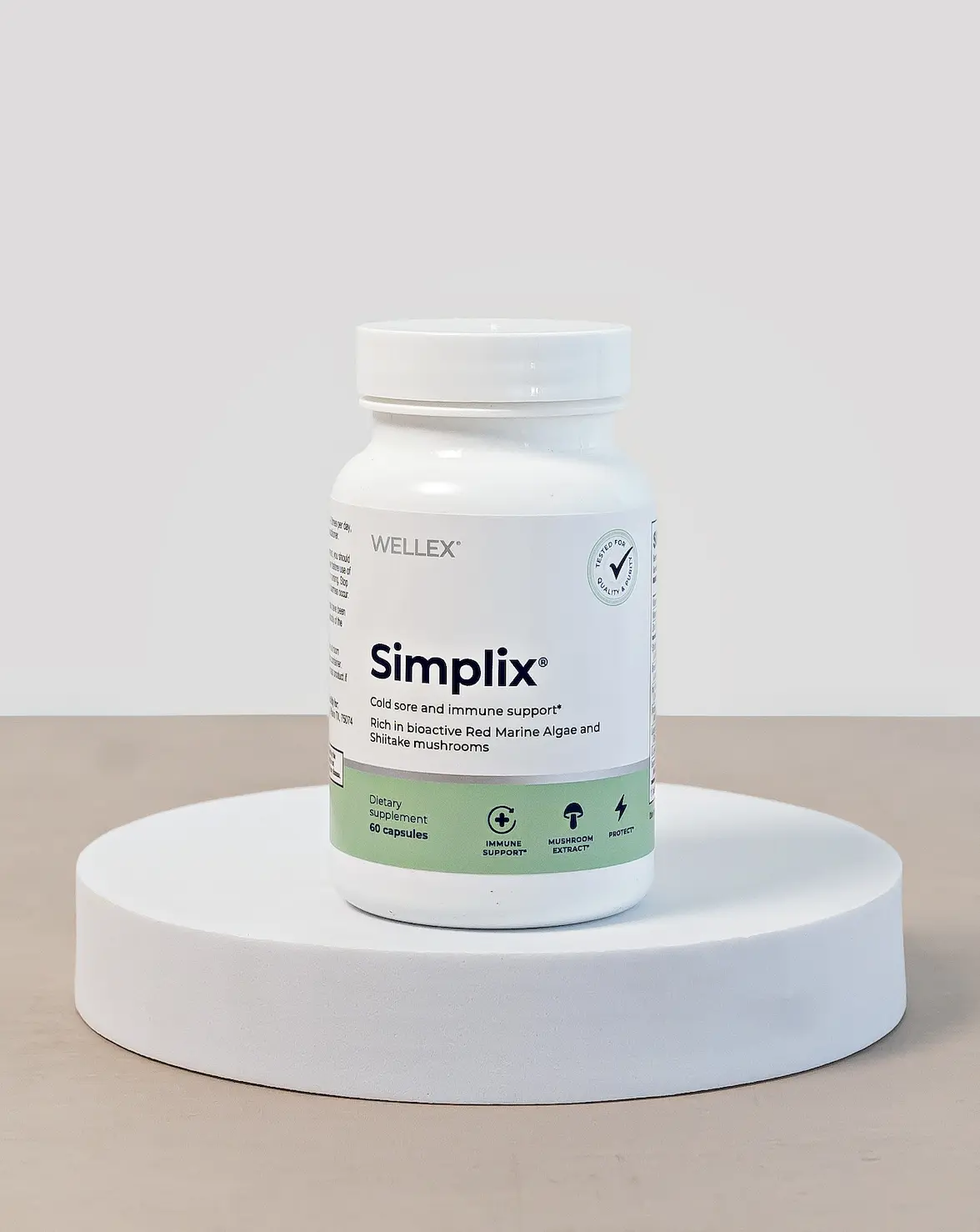
Simplix Viral Defense
Cold Sore & HSV Support
Synergistic formula combining L-Lysine, shiitake mushroom, and marine bioactives for comprehensive immune support.
SHOP NOW & SAVE 15%