Collagen and bone broth have gained popularity for their benefits to skin, joints, and connective tissues.
However, their amino acid profiles make their relationship with herpes simplex virus type 1 (HSV-1) and cold sores complex.
This article examines how collagen and bone broth interact with herpes, focusing on the critical balance between the amino acids lysine and arginine, and offers practical advice for those managing cold sores.
What Is Collagen and Why Is It Important?
Collagen is the most abundant structural protein in the human body, providing strength and elasticity to skin, bones, tendons, and connective tissues. It is composed mainly of amino acids such as glycine, proline, hydroxyproline, and arginine. Collagen supplements, often hydrolyzed into peptides for better absorption, are widely used to support skin health, wound healing, and joint function.
Understanding Bone Broth and Its Nutrients
Bone broth is made by simmering animal bones with connective tissue and sometimes vegetables for several hours. This process extracts collagen, gelatin, minerals, and amino acids including glycine, proline, and arginine. Bone broth protein powders concentrate these nutrients and are valued for gut health, inflammation reduction, and skin repair.

Herpes Simplex Virus and Cold Sores
HSV-1 causes cold sores, which are painful blisters typically around the mouth. After the initial infection, the virus remains dormant in nerve cells but can reactivate due to triggers like stress, illness, hormonal changes, and diet.
The Lysine-Arginine Balance: A Key Factor in Herpes Management
The amino acids lysine and arginine play opposing roles in HSV activity. Arginine is essential for viral replication and can stimulate herpes outbreaks, while lysine inhibits HSV replication and helps reduce outbreak frequency and severity. Managing the intake of these amino acids through diet and supplements is crucial for controlling herpes symptoms.
Collagen, Bone Broth, and Their Arginine Content
Both collagen supplements and bone broth tend to have a higher arginine content compared to lysine-often about twice as much. This arginine-rich profile means they can potentially promote HSV replication in susceptible individuals. However, collagen and bone broth also provide glycine and proline, which support skin and connective tissue repair, offering benefits during cold sore healing.
Benefits and Risks of Collagen and Bone Broth for Cold Sores
Benefits: Collagen supports skin repair and wound healing, which is helpful during cold sore outbreaks.
Vitamin C, essential for collagen synthesis, can aid faster healing and reduce scarring.
Lysine supplements, often taken alongside collagen, support immune function and collagen production. Risks: The higher arginine content in collagen powders and bone broth may trigger or worsen herpes outbreaks in people prone to frequent flare-ups.
Some individuals report cold sore outbreaks after starting collagen supplements, likely due to increased arginine intake.
Practical Recommendations for People with Herpes
If you experience frequent or active herpes outbreaks, it is advisable to limit high-arginine foods like collagen powders and bone broth until your virus is under control.
Increasing lysine intake through supplements or lysine-rich foods such as dairy, fish, and legumes can help inhibit HSV replication.
Some individuals tolerate collagen and bone broth without issues, especially if outbreaks are infrequent.
Monitoring your personal response and consulting a healthcare professional is recommended.
Supporting collagen synthesis with adequate vitamin C intake can enhance skin repair during cold sore healing.
Using collagen supplements during remission phases rather than active outbreaks may reduce the risk of flare-ups.
Scientific Insights on HSV and Collagen
Research indicates HSV can penetrate and disrupt skin layers rich in collagen, facilitating viral invasion and recurrence. HSV infection also modifies extracellular vesicles from epithelial cells to promote nerve infection and viral latency. Maintaining skin integrity and immune defense is vital, roles where collagen and related nutrients play an important part.
Collagen, Bone Broth, and Herpes FAQs
Can collagen cause cold sore outbreaks?
Collagen supplements are high in arginine, which can promote herpes virus replication and potentially trigger cold sore outbreaks in susceptible individuals.
Is bone broth safe if I have herpes?
Bone broth also contains high levels of arginine. If you have frequent herpes outbreaks, it may be wise to limit bone broth intake until your virus is controlled.
How does lysine help manage herpes?
Lysine inhibits herpes virus replication and can reduce the frequency and severity of outbreaks. Increasing lysine intake through diet or supplements is often recommended.
Can I take collagen during a cold sore outbreak?
It is generally better to avoid collagen supplements during active outbreaks and consider using them during remission phases to reduce the risk of triggering flare-ups.
What else can support cold sore healing?
Vitamin C supports collagen synthesis and skin repair, aiding faster healing and reducing scarring during cold sore outbreaks.

Image: Bravado Labs Advanced Lysine Immune Boost
Bravado Labs Advanced Lysine Immune Boost
Why we love it:
- Verified Customer Favorite
- High Quality Ingredients
As an affiliate, we earn from qualifying purchases.
Recommended Supplements for Herpes Management
Simplix Viral Defense
Cold Sore & HSV Support
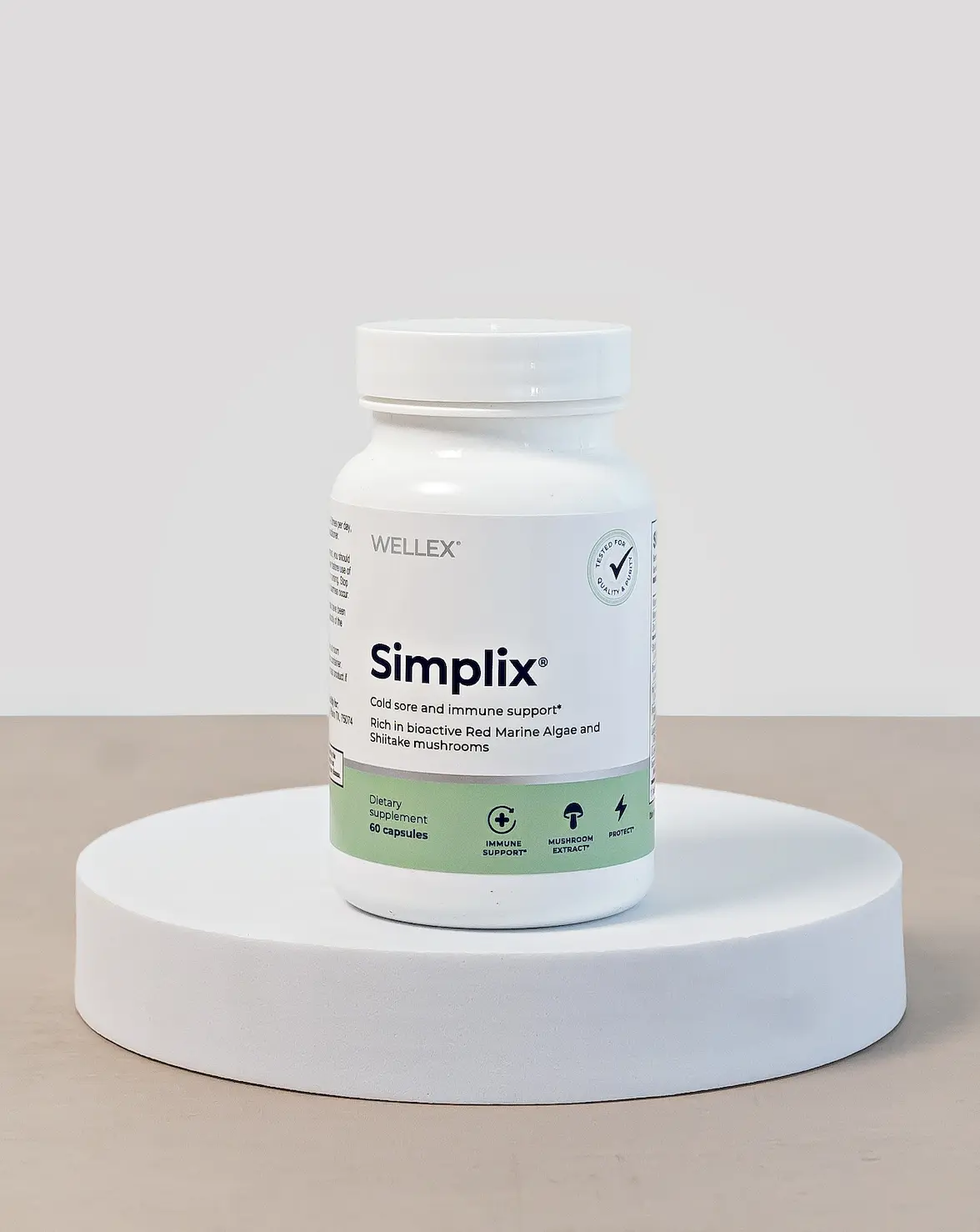
Simplix Viral Defense
Cold Sore & HSV Support
Synergistic formula combining L-Lysine, shiitake mushroom, and marine bioactives for comprehensive immune support.
SHOP NOW & SAVE 15%