Cold sores are small blisters that appear on or around the lips.
They are caused by the herpes simplex virus type 1 (HSV-1).
Many people find cold sores frustrating and painful.
These outbreaks can happen at any time, but they often occur more frequently in winter.
This article explains how winter weather affects cold sore outbreaks and offers tips for prevention.
Cold sores are contagious.
You can catch them through direct contact with an infected person or contaminated surfaces.
Once you have HSV-1, it stays in your body.
The virus can reactivate and cause outbreaks due to various triggers.
How Winter Weather Influences Cold Sores
Cold weather itself can dry out the skin and lips, making them more prone to cracks and irritation where the virus may enter. Maintaining hydration and using moisturizers can help protect against this.
Cold and Dry Air
Cold weather is a major factor in cold sore outbreaks. The combination of cold and dry air can lead to:- Chapped lips: Cold temperatures and dry indoor air irritate the skin.
- Skin barrier damage: This makes it easier for HSV-1 to reactivate. The shift from cold outdoor air to warm indoor environments stresses the skin. This change can cause dryness and irritation, increasing the risk of outbreaks. According to experts, simply going from the frosty outdoors into a heated home can create the perfect environment for the virus to flare up.
Dry Wind Can Make Things Worse
Windy conditions during winter further exacerbate the problem. Wind strips moisture from your lips and skin, making them more vulnerable to irritation. This dryness creates a hospitable environment for the herpes virus. To protect your lips, consider using a scarf or face mask when outdoors.Immune System Impact
Winter often brings more colds and flu. These illnesses weaken your immune system. A weakened immune system struggles to keep HSV-1 in check. In winter, there is also less sunlight. This leads to lower levels of vitamin D, which is important for immune function. A lack of vitamin D increases your risk of infections, including cold sores.Stress Factors
Winter can introduce stressors that lead to cold sore outbreaks. The holiday season often brings:- Family gatherings
- Travel plans
- Financial pressures
Managing Holiday Stress
The holiday season is meant to be joyful, but it can also be overwhelming. Finding ways to manage stress is essential for maintaining your health during this time. Consider practicing mindfulness techniques, engaging in regular exercise, or simply taking breaks when needed. Prioritizing self-care can help keep stress levels in check.header3:
You cannot completely eliminate the risk of cold sores in winter, but you can take steps to reduce their frequency and severity:
1.
Moisturize Your Lips Keep your lips moisturized with a good lip balm.
Look for products that contain emollients and offer UV protection.
Ingredients like shea butter or beeswax provide excellent hydration.
Choosing the Right Products
twelfthSection: When selecting lip balms, opt for those without irritating fragrances or ingredients that could further dry out your lips.Regular application throughout the day will help maintain moisture levels.
2.
Stay Hydrated Drink plenty of water throughout the day.
Staying hydrated helps keep your skin healthy.
Herbal teas or warm beverages are great options during colder months.
Dehydration is a common issue in winter due to dry air indoors and outdoors.
Make it a habit to carry a water bottle with you so you remember to drink enough fluids throughout the day.
3.
Dress Warmly Protect your skin from harsh weather by dressing appropriately.
Wear scarves or face masks outdoors to shield your lips from cold winds.
Layering clothing not only keeps you warm but also protects your skin from exposure to harsh elements.
Consider using protective accessories like gloves and hats as well.
4.
Manage Stress Find ways to manage stress effectively.
Try relaxation techniques such as:
- Yoga
- Meditation
- Deep-breathing exercises
Try to establish a daily relaxation routine, which can help combat stress levels throughout winter months.
Even short breaks for deep breathing or stretching can make a significant difference in how you feel.
5.
Nutritional Support A balanced diet supports your immune system.
Focus on foods high in:
- Vitamin C(citrus fruits)
- Vitamin E(nuts and seeds)
- Lysine(dairy products, fish, legumes)
If you're concerned about nutrient intake during winter months, consider discussing supplementation with a healthcare professional.
They can recommend appropriate vitamins based on your individual needs.
Silver Lining
Cold weather does not directly cause cold sores, but it creates conditions that trigger outbreaks.
Increased dryness, stress, and weakened immunity all play a role.
Many people notice more outbreaks during winter months.
By understanding these triggers and taking preventive measures, you can manage your skin health this winter season effectively.
Remember to moisturize your lips, stay hydrated, manage stress levels, dress warmly, and support your immune system through nutrition.
If you frequently suffer from severe outbreaks or have concerns about managing your condition, consult a healthcare professional for tailored advice and treatment options.
Taking proactive steps now will help you enjoy a healthier winter season without the discomfort of cold sores.
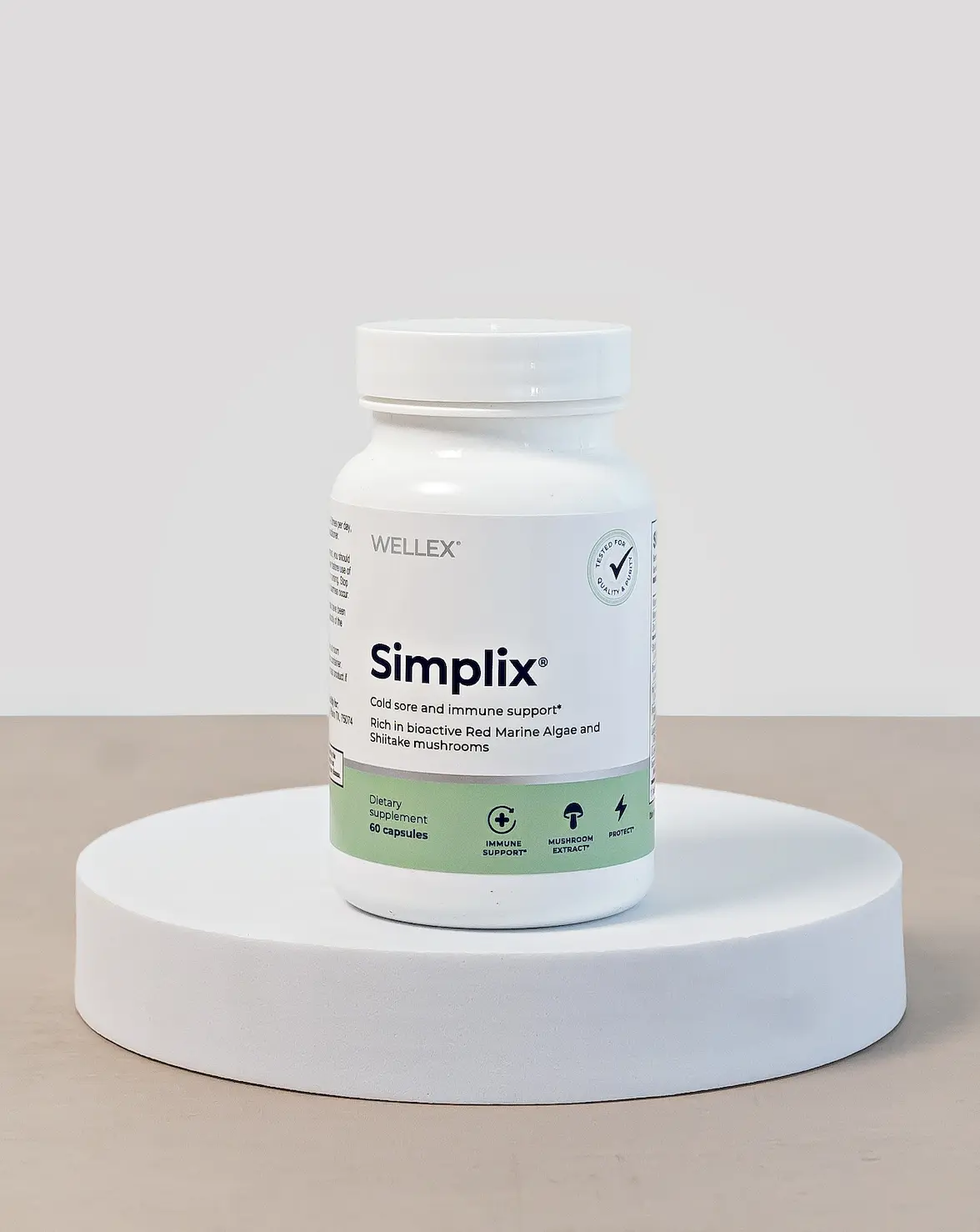
Image: Simplix Viral Defense
Simplix Viral Defense
Why we love it:
- Specifically formulated to reduce cold sore outbreaks
- Contains L-Lysine, Red Marine Algae, and Lemon Balm
- Supports immune system during viral challenges
- Helps manage stress-triggered outbreaks
Recommended Supplements for Herpes Management
Simplix Viral Defense
Cold Sore & HSV Support
Simplix Viral Defense
Cold Sore & HSV Support
Synergistic formula combining L-Lysine, shiitake mushroom, and marine bioactives for comprehensive immune support.
SHOP NOW & SAVE 15%