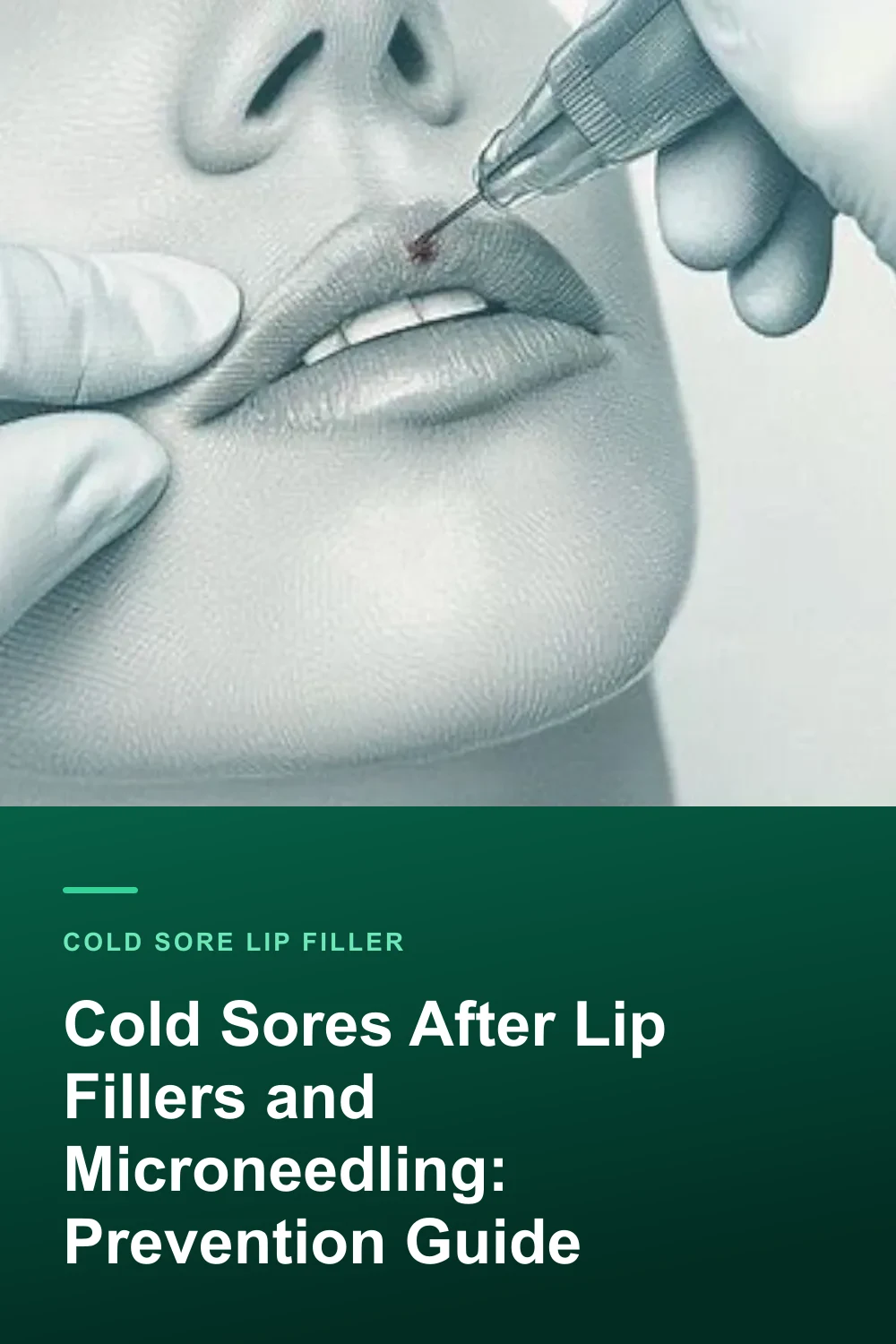
Two of the most popular cosmetic skin treatments today (lip fillers and microneedling) share a common risk that many practitioners and patients overlook: both can trigger cold sore outbreaks in anyone carrying dormant herpes simplex virus type 1 (HSV-1).
For people who haven't had a cold sore in years, an outbreak appearing days after an expensive cosmetic procedure is painful and can compromise healing, spread across the treatment area, and potentially damage the cosmetic result. Understanding why these procedures trigger outbreaks, and what to do before your appointment, is the most important preparation most patients never receive.
This article covers the specific triggers for both treatments, who is most at risk, and the most effective prevention approaches, including the supplement protocol to start before your appointment.
Simplix Viral Defense
Cold Sore & HSV Support
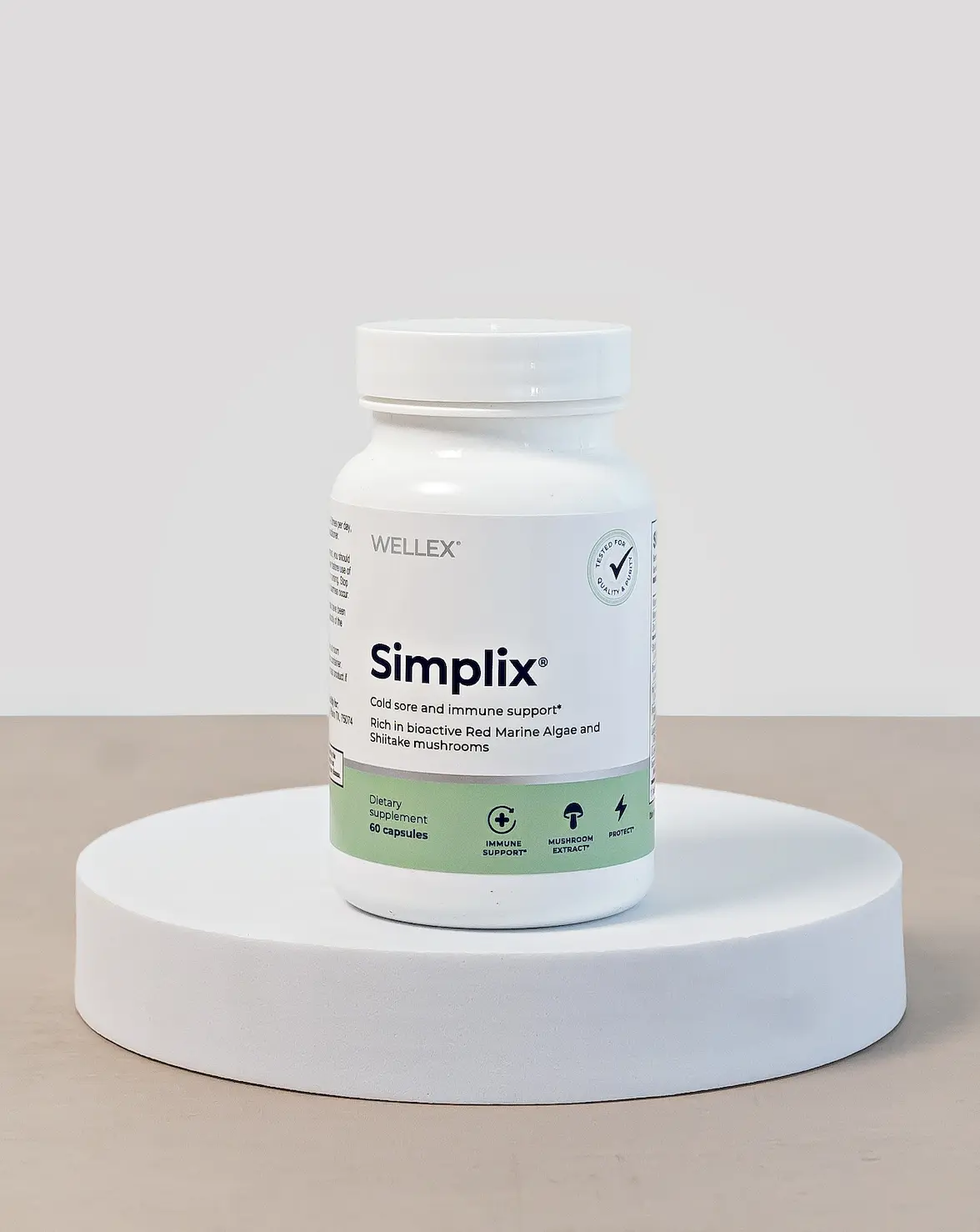
Simplix Viral Defense
Cold Sore & HSV Support
Synergistic formula combining L-Lysine, shiitake mushroom, and marine bioactives for comprehensive immune support.
SHOP NOW & SAVE 15%Why Cosmetic Procedures Trigger Cold Sores
HSV-1 doesn't disappear after initial infection. It retreats to the trigeminal nerve ganglion: a cluster of nerve cells at the base of the skull, where it remains dormant indefinitely. The virus reactivates when the body experiences specific stressors: immune suppression, psychological stress, UV exposure, fever, or physical trauma to the lips and surrounding skin.
Both lip fillers and microneedling deliver exactly this kind of physical trauma. The immune system interprets these controlled injuries as a biological threat, triggering inflammation and immune stress that can wake dormant HSV-1 and send it down nerve pathways to the skin surface. An outbreak typically appears 24 to 72 hours after the procedure, exactly when skin should be in early healing stages.
HSV-1 is present in the majority of adults, many of whom have never experienced a visible cold sore. The risk exists even for people who don't consider themselves to have a cold sore history.
Lip Fillers: Localized Trauma, Targeted Risk
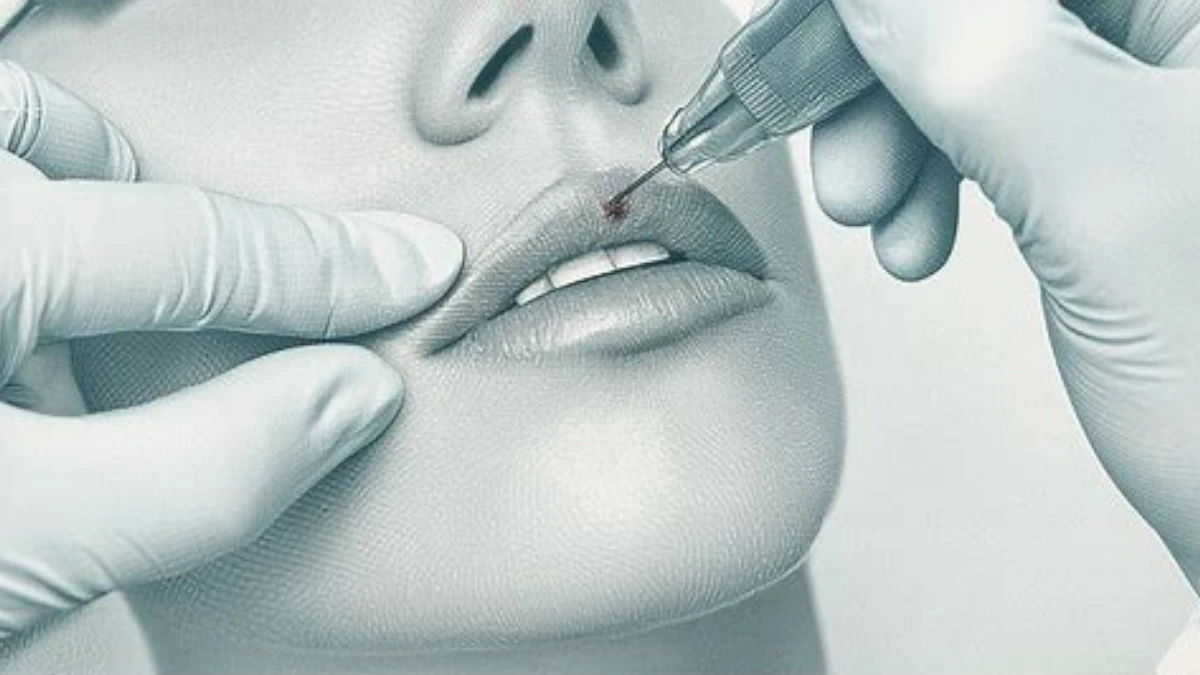
Lip filler procedures involve multiple needle injections into the lips and surrounding tissue, causing localized trauma and inflammation at injection sites. For HSV-1 carriers, this targeted trauma (occurring directly in lip tissue where the virus is most commonly expressed) can disrupt the immune suppression keeping the virus dormant.
Several factors compound the risk: the stress response from the procedure, the immune reaction to the filler material, and post-injection inflammation all create a window of reduced immune vigilance around the perioral area. Lip fillers and cold sores show outbreaks in less than 2% of filler patients overall, but significantly higher rates among those with a known cold sore history.
Always disclose your cold sore history to your injector. An experienced practitioner will use conservative technique to minimize trauma and can refer you for antiviral prophylaxis if your history warrants it.
Microneedling: Widespread Trauma, Broader Risk Area
Microneedling operates at a different scale than targeted filler injection. The procedure creates hundreds to thousands of controlled micro-channels across the entire treatment area. The same mechanism that stimulates collagen remodeling sends a widespread skin-trauma signal that can reactivate HSV-1 across a much broader area than a lip injection.
Three characteristics of microneedling elevate its cold sore trigger potential:
- Scale of trauma: Micro-injuries distribute across the full treatment area. If this includes the perioral zone, chin, or any area within the trigeminal ganglion's nerve distribution, viral reactivation risk is substantially higher than procedures limited to the forehead or cheeks.
- Sustained post-treatment inflammation: The collagen remodeling response sustains elevated immune stress in treated tissue, the same conditions that prompt HSV-1 reactivation.
- Extended healing window: Unlike brief filler trauma, the post-microneedling inflammatory phase lasts several days, extending the reactivation risk window beyond most other cosmetic procedures.
Full-face microneedling that includes the perioral area is high-risk for anyone who has ever experienced a cold sore. Even a single outbreak decades ago indicates you carry HSV-1 and are susceptible.
How to Prevent Cold Sores Before Either Procedure
The most effective prevention strategy is establishing antiviral protection before the procedure, not after symptoms appear. There are two main approaches.
Prescription Antiviral Prophylaxis
Dermatologists and aesthetic practitioners routinely prescribe a short course of acyclovir or valacyclovir to patients with known HSV-1 history before procedures involving significant facial trauma. This is the most clinically validated approach for high-risk individuals and standard practice in many cosmetic medicine settings. Ask your practitioner about antiviral prophylaxis at your consultation: a well-trained provider expects the question.
Supplement-Based Prophylaxis
For individuals with a mild cold sore history, those who prefer a natural approach, or those who want to complement prescription protocols with additional immune support, targeted supplements offer meaningful prevention. The most evidence-backed ingredients are L-Lysine (suppresses viral replication by competing with arginine), Zinc (direct virucidal activity against HSV), Lemon Balm (antiviral and cortisol-reducing), Licorice Root (inhibits viral replication and inflammation), Andrographis (blocks viral DNA synthesis in drug-resistant strains), and Fucoidan (blocks viral adsorption before replication begins).
Wellex Simplix combines these ingredients in a single vegan capsule: L-Lysine, Lemon Balm, Andrographis paniculata, Licorice Root, Brown Kombu Seaweed (standardized to 40% Fucoidan), Irish Moss, Shiitake Mushroom, Zinc, Vitamin C, and Vitamin B12. Use code PROMEO15 for 15% off. Start two capsules twice daily two to three days before your procedure and continue through post-treatment healing for comprehensive supplement-based protection before both lip filler and microneedling appointments.
What to Do If an Outbreak Appears After Your Procedure
If a cold sore develops after your treatment, prioritize containment.
Don't proceed with follow-up or additional cosmetic treatments until the outbreak fully resolves. Active HSV on compromised post-procedure skin spreads rapidly across the treatment area, leading to secondary infection and worsening cosmetic outcomes. Contact your practitioner and, if you're not already on an antiviral prescription, start one immediately. Switch to the active dose of any supplement protocol and apply a hydrocolloid cold sore patch to minimize viral shedding and prevent secondary bacterial infection during compromised healing.
Avoid touching the area, sun exposure, and high-arginine foods (chocolate, nuts, seeds) for the duration of the outbreak, as these provide the amino acid herpes needs to replicate.
For those who book cosmetic treatments regularly, a consistent daily maintenance protocol with Simplix (code PROMEO15 for 15% off) keeps the virus suppressed between appointments, reducing the procedural risk window each time.
Cold Sores and Cosmetic Procedures FAQs
Can lip fillers cause a cold sore even if I haven't had one in years?
Yes. HSV-1 remains dormant in nerve cells indefinitely after initial infection. The length of time since your last cold sore doesn't reduce your procedural risk; it only indicates the virus has been well suppressed. The trauma and inflammation of a lip filler procedure can reactivate it regardless of how long ago your last outbreak was.
Is microneedling riskier for cold sores than lip fillers?
In some respects, yes. Lip fillers involve localized injection trauma at specific sites, while microneedling creates widespread micro-trauma across the entire treatment area. Full-face microneedling that includes the perioral zone represents a broader trigger area and a longer post-procedure inflammatory window than a targeted lip injection.
Should I tell my aesthetician about my cold sore history?
Always. Your HSV-1 history is clinically relevant for any procedure involving facial skin trauma. Your practitioner can recommend appropriate prophylaxis, adjust their technique, or advise on timing relative to your outbreak patterns. A qualified practitioner will treat this information as standard pre-treatment screening.
How far in advance should I start supplements before a cosmetic procedure?
For a supplement-based protocol, start two to three days before the procedure and continue through post-treatment healing (typically five to seven days after) for the most complete preventative coverage for both lip filler and microneedling appointments.
Can supplements replace prescription antivirals before microneedling?
For individuals with a mild or infrequent cold sore history, targeted supplements like L-Lysine, Zinc, Lemon Balm, and Andrographis can meaningfully reduce procedural risk. For those with frequent or severe outbreaks, prescription antivirals provide stronger and more clinically validated protection. Consult your healthcare provider to determine the right approach for your specific history.
What should I avoid after cosmetic procedures to reduce cold sore risk?
In the days following treatment, avoid high-arginine foods (chocolate, nuts, peanuts, seeds), alcohol, excessive sun exposure, and physical stress where possible. These factors can independently trigger HSV-1 reactivation and compound the immune stress already created by the procedure itself.
Image: Simplix Viral Defense
Simplix Viral Defense
Why we love it:
- Specifically formulated to reduce cold sore outbreaks
- Contains L-Lysine, Red Marine Algae, and Lemon Balm
- Supports immune system during viral challenges
- Helps manage stress-triggered outbreaks