Cold sores lead to painful and unsightly, inflamed blisters around the lips.
One of the simplest and most accessible ways to relieve the discomfort is by using a cold compress.
Cold therapy can help reduce pain, swelling, and redness, making cold sores more manageable while they heal.
This article explains the benefits of cold compresses for cold sores and provides clear instructions on how to apply them safely and effectively.
How Cold Compresses Help Cold Sores

Applying a cold compress to a cold sore works primarily by numbing the area, which reduces the stinging and burning sensations commonly experienced during outbreaks. The cold also constricts blood vessels, which helps decrease swelling and inflammation around the sore. Early application of cold therapy-especially during the initial tingling or burning stage-may reduce the severity of the outbreak and potentially shorten healing time.
Additionally, cold compresses can help soften crusty areas on healing sores, making them less uncomfortable and reducing the risk of cracking or bleeding. While cold compresses do not treat the underlying viral infection, they provide symptomatic relief that can improve comfort during the healing process.
How to Properly Apply a Cold Compress for Cold Sores
To safely and effectively use a cold compress on a cold sore, follow these steps:
- Prepare the compress: Use a clean washcloth dampened with cold water, or wrap ice cubes in a thin cloth or plastic bag. Avoid applying ice directly to the skin to prevent frostbite or damage.
- Apply gently: Place the cold compress on the affected area for 5 to 10 minutes. Do not press too hard to avoid irritation.
- Repeat as needed: You can apply the cold compress several times a day, especially during the initial stages when pain and swelling are most intense. Allow the skin to return to normal temperature between applications.
- Maintain hygiene: Always use a clean cloth or fresh ice pack to prevent bacterial contamination and secondary infection.
Additional Tips for Managing Cold Sores
While cold compresses provide effective symptom relief, combining them with other treatments can improve outcomes:
- Use antiviral creams: Over-the-counter creams containing docosanol or prescription antivirals can reduce viral activity and speed healing.
- Keep the sore moisturized: Applying lip balm or petroleum jelly prevents cracking and protects the skin.
- Avoid touching or picking: This prevents spreading the virus and secondary infections.
- Manage triggers: Stress, sun exposure, and illness can reactivate cold sores, so taking preventive measures is important.
We recommend the Cold Sore Cream with Lysine, Day & Night Relief Combo Pack from Curoxen. This fast-acting, multi-symptom cold sore ointment for lips, nose, and other affected areas contains Arnica, Lemon Balm, and Olive Extract. This cold sore cream is designed to provide the benefits of lysine in a convenient, easy-to-use format. It can be applied directly to the cold sore, just like the homemade lysine paste. When choosing a lysine product, look for one that contains other beneficial ingredients, such as herbs or essential oils. These can help soothe the skin and may enhance the effectiveness of the lysine.
Fast-acting, multi-symptom cold sore ointment for relief of lips, nose, and other affected areas; contains Arnica, Lemon Balm, and Olive Extract, enhanced with Lysine for maximum protection.
Cold Sore Cream with Lysine, Day & Night Relief Combo Pack

When to See a Healthcare Provider
If cold sores are unusually large, painful, frequent, or do not heal within two weeks, consult a healthcare professional. Prescription antiviral medications may be necessary for severe or recurrent outbreaks. Also seek medical advice if you experience signs of bacterial infection, such as increased redness, pus, or fever.
Conclusion
Cold compresses are a simple, safe, and effective way to relieve pain, reduce swelling, and ease discomfort from cold sores. Proper application is key to maximizing benefits while avoiding skin damage. Combined with antiviral treatments and good skin care, cold compresses can help make cold sore outbreaks more manageable and less painful.
Cold Compress for Cold Sores FAQs
Can a cold compress cure a cold sore?
No, a cold compress does not cure cold sores but helps relieve pain and reduce inflammation during outbreaks.
How often should I apply a cold compress to a cold sore?
Apply a cold compress for 5 to 10 minutes several times a day, especially during the early stages of the outbreak.
Can I put ice directly on a cold sore?
No, avoid placing ice directly on the skin to prevent frostbite or irritation. Always wrap ice in a cloth before applying.
Does using a cold compress shorten healing time?
While cold compresses mainly relieve symptoms, early use during the tingling stage may reduce the severity and duration of cold sores.
Are there any risks to using cold compresses on cold sores?
If applied improperly, such as ice directly on skin or for prolonged periods, cold compresses can cause skin damage. Use as directed and maintain hygiene to avoid infection.
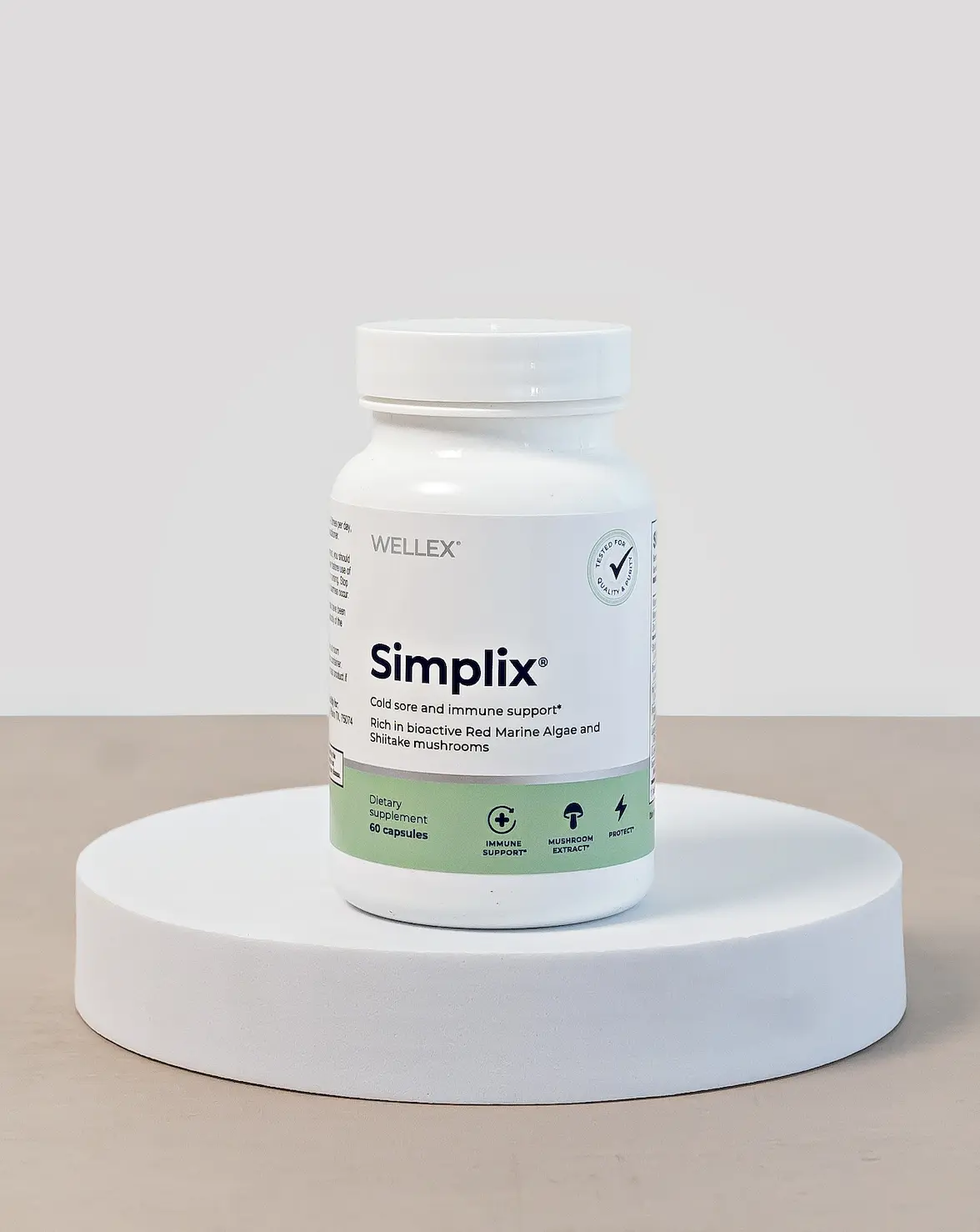
Image: Simplix Viral Defense
Simplix Viral Defense
Why we love it:
- Specifically formulated to reduce cold sore outbreaks
- Contains L-Lysine, Red Marine Algae, and Lemon Balm
- Supports immune system during viral challenges
- Helps manage stress-triggered outbreaks
Recommended Supplements for Herpes Management
Simplix Viral Defense
Cold Sore & HSV Support
Simplix Viral Defense
Cold Sore & HSV Support
Synergistic formula combining L-Lysine, shiitake mushroom, and marine bioactives for comprehensive immune support.
SHOP NOW & SAVE 15%