Cold sores are painful blisters caused by the herpes simplex virus type 1 (HSV-1). While the virus itself causes the infection, certain environmental factors, especially weather conditions, can trigger outbreaks. This article explores how weather-particularly cold temperatures, wind, and seasonal changes-can influence cold sore flare-ups and offers tips to help prevent them.
What Causes Cold Sores and How Does Weather Play a Role?
Cold sores occur when HSV-1, which lies dormant in nerve cells after initial infection, becomes reactivated.
Various triggers can cause this reactivation, including stress, illness, sunlight, and importantly, weather conditions. Cold weather is a common trigger because it often leads to dry, cracked lips and skin irritation.
The dry air and wind typical of winter months can damage the delicate skin around the mouth, making it easier for the virus to cause blisters.
How Cold and Dry Weather Triggers Cold Sores
Exposure to cold temperatures and dry air can:
- Dry out lips and skin, reducing their natural protective barrier.
- Cause chapping and cracking, creating openings where the virus can reactivate more easily.
- Weaken the immune response locally, making it harder for your body to suppress the virus.
Seasonal Changes and Temperature Fluctuations
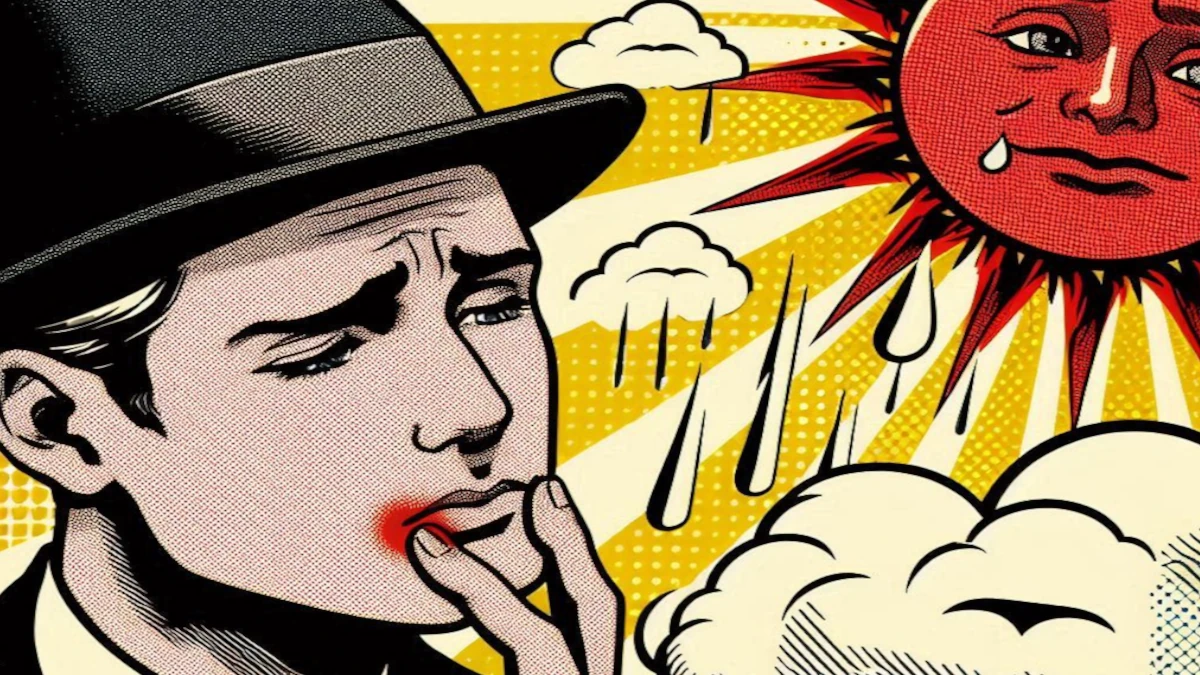
Rapid changes in temperature, such as moving from cold outdoor air to warm indoor environments, can stress the skin and immune system. This stress may trigger HSV-1 reactivation. Seasonal illnesses common in colder months, like colds and flu, also weaken the immune system and raise body temperature (fever), both known to provoke cold sore outbreaks.
Other Weather-Related Triggers
Besides cold and dry conditions, other weather factors can influence cold sores:
- Sun exposure: UV rays can damage skin and reactivate HSV-1.
- Wind exposure: Can dry and irritate lips, similar to cold weather.
Tips to Prevent Weather-Triggered Cold Sores
To reduce the risk of cold sore outbreaks related to weather, consider the following:
- Keep lips moisturized: Use lip balms with SPF and hydrating ingredients to protect against dryness and sun damage.
- Cover your face: Wear scarves or masks to shield lips from cold wind and dry air.
- Stay hydrated: Drink plenty of water to maintain skin moisture.
- Maintain a strong immune system: Get adequate rest, manage stress, and eat a balanced diet.
- Avoid known personal triggers: Track what weather conditions tend to cause your outbreaks and plan accordingly.
When to See a Healthcare Provider
If you experience frequent or severe cold sore outbreaks, especially during certain weather conditions, consult a healthcare provider. They can recommend antiviral treatments or preventive measures tailored to your needs.
Summary
While cold sores are caused by HSV-1, weather conditions like cold temperatures, dry air, wind, and seasonal changes can trigger outbreaks by irritating the skin and weakening local defenses. Protecting your lips and supporting your immune system can help reduce the frequency and severity of weather-related cold sore flare-ups.
Cold Sores and Weather FAQs
Can cold weather cause cold sores?
Cold weather itself does not cause cold sores, but it can trigger outbreaks by drying and irritating the skin around the lips, making it easier for HSV-1 to reactivate.
Why do cold sores seem worse in winter?
Winter’s cold, dry air and wind can dry out lips and weaken the skin barrier, increasing the likelihood of cold sore outbreaks. Seasonal illnesses and stress during winter also contribute.
Can sun exposure trigger cold sores?
Yes, ultraviolet (UV) rays from the sun can damage skin and reactivate HSV-1, so sun protection is important even in colder months.
How can I protect myself from weather-related cold sores?
Use moisturizing lip balms with SPF, cover your lips in cold or windy weather, stay hydrated, and maintain a healthy immune system.
When should I see a doctor about cold sores?
If cold sores are frequent, severe, or do not heal properly, especially if triggered by weather, seek medical advice for possible antiviral treatments.
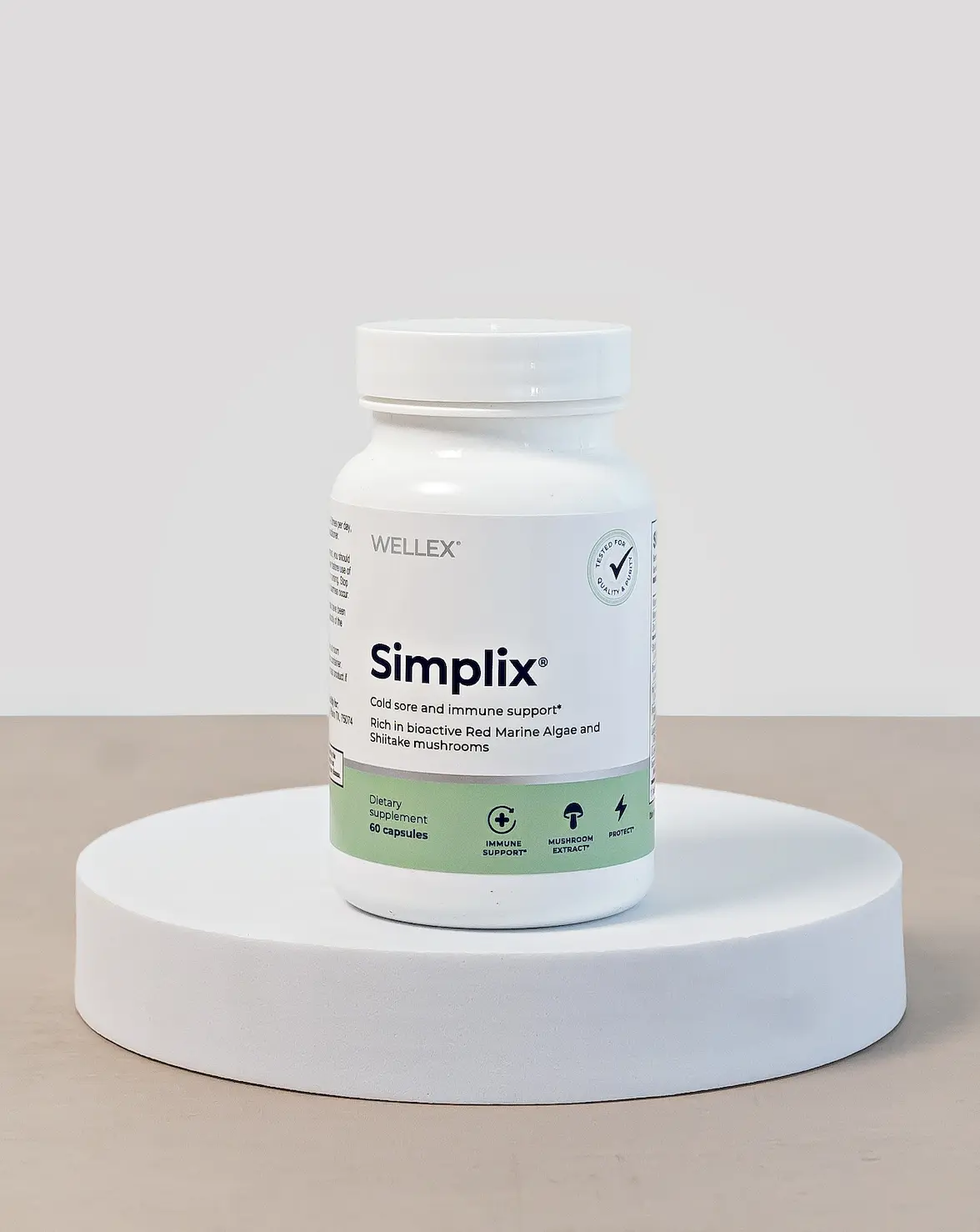
Image: Simplix Viral Defense
Simplix Viral Defense
Why we love it:
- Specifically formulated to reduce cold sore outbreaks
- Contains L-Lysine, Red Marine Algae, and Lemon Balm
- Supports immune system during viral challenges
- Helps manage stress-triggered outbreaks
Recommended Supplements for Herpes Management
Simplix Viral Defense
Cold Sore & HSV Support
Simplix Viral Defense
Cold Sore & HSV Support
Synergistic formula combining L-Lysine, shiitake mushroom, and marine bioactives for comprehensive immune support.
SHOP NOW & SAVE 15%