Tanning beds are popular for achieving a sun-kissed glow, but they pose risks for people with herpes simplex virus (HSV). Both HSV-1 and HSV-2 can be reactivated by ultraviolet (UV) radiation, which is abundant in tanning beds. This article explains how tanning beds can cause herpes flare-ups, the science behind UV-triggered outbreaks, and practical tips to reduce your risk.
How Tanning Beds Trigger Herpes Flare-Ups
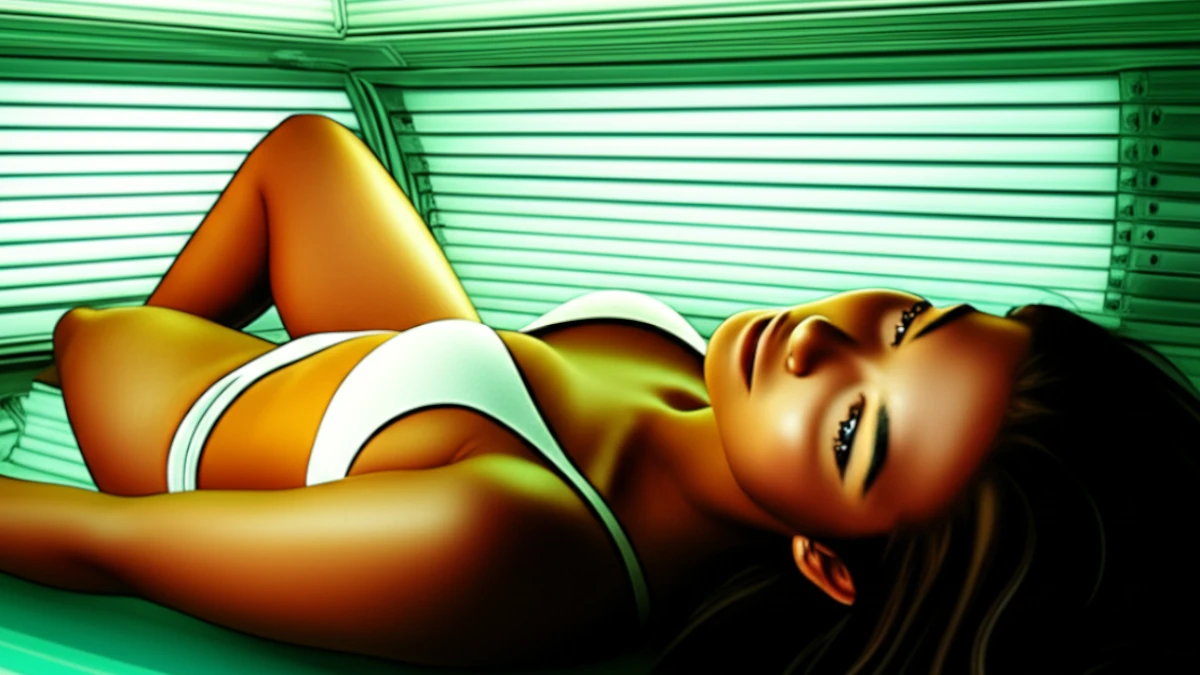
Ultraviolet (UV) light is a well-known trigger for herpes outbreaks.
Tanning beds emit concentrated UV radiation, often more intense and consistent than natural sunlight.
This intense UV exposure can damage the skin’s protective barrier and locally suppress immune function, creating an environment where dormant herpes viruses can reactivate.
In addition to UV radiation, the heat generated by tanning beds increases skin temperature, which may further stress skin cells and promote viral activation.
The combination of UV damage and heat stress makes tanning beds a potent trigger for herpes flare-ups.
Tanning Beds vs. Natural Sunlight: Which Is Riskier?
While natural sunlight also contains UV rays that can trigger herpes outbreaks, tanning beds deliver a controlled and often higher intensity of UV radiation without natural protective factors like shade or cloud cover.
This consistent exposure can lead to more predictable and frequent herpes reactivation.
Natural sunlight varies throughout the day and is moderated by environmental factors, whereas tanning beds provide a steady, intense dose of UV light that can overwhelm the skin's defenses more easily.
Additional Risks: Hygiene and Infection Transmission
Beyond UV exposure, tanning beds can be a breeding ground for bacteria and viruses, including herpes, if not properly cleaned.
The warmth and moisture from sweating during tanning sessions create ideal conditions for pathogens to survive and multiply on tanning bed surfaces.
If someone with an active herpes infection uses a tanning bed, the virus can contaminate the surface.
Another user with a cut or broken skin may then be at risk of acquiring the infection through direct contact.
Maintaining strict sanitation protocols in tanning salons is essential, but the safest approach is to avoid tanning beds altogether if you have or are prone to herpes outbreaks.
Preventing Herpes Flare-Ups from Tanning Beds
If you choose to use tanning beds despite the risks, take precautions to reduce the chance of herpes flare-ups:
- Protect your lips and skin with a broad-spectrum sunscreen or lip balm with SPF 50 before tanning.
- Limit your tanning session duration to minimize UV exposure.
- Avoid tanning beds during active outbreaks or if you feel prodromal symptoms like tingling or itching.
- Ensure the tanning salon follows strict cleaning protocols and consider wiping down surfaces yourself before use.
Summary
Tanning beds emit concentrated UV radiation and heat that can trigger herpes simplex virus reactivation, leading to flare-ups.
Additionally, poor hygiene in tanning salons can increase the risk of infection transmission.
People with a history of HSV-1 or HSV-2 should be cautious with tanning bed use and take preventive measures to protect their skin and immune system.
Avoiding tanning beds altogether remains the safest option to reduce herpes outbreak risks.
Can Tanning Beds Cause Herpes Flare-Ups? FAQs
Can tanning beds really trigger herpes outbreaks?
Yes, the concentrated ultraviolet (UV) light in tanning beds can damage skin and suppress local immunity, which may reactivate dormant herpes viruses and cause flare-ups.
Is tanning bed UV exposure worse than natural sunlight for herpes?
Tanning beds provide a more intense and consistent UV dose compared to natural sunlight, which can increase the likelihood and frequency of herpes outbreaks.
Can herpes be transmitted through tanning beds?
While rare, herpes virus can survive on tanning bed surfaces if not properly disinfected. Direct skin contact with contaminated surfaces, especially if you have cuts or broken skin, can pose a transmission risk.
How can I protect myself if I use tanning beds?
Use high-SPF sunscreen or lip balm, limit tanning time, avoid tanning during outbreaks, and ensure the salon maintains strict hygiene standards. Wiping down surfaces yourself can add extra protection.
Are there safer alternatives to tanning beds for a tan?
Yes, spray tans and self-tanning lotions provide a sun-kissed look without UV exposure and the associated risks of herpes flare-ups.

Image: Bravado Labs Advanced Lysine Immune Boost
Bravado Labs Advanced Lysine Immune Boost
Why we love it:
- Verified Customer Favorite
- High Quality Ingredients
As an affiliate, we earn from qualifying purchases.
Recommended Supplements for Herpes Management
Simplix Viral Defense
Cold Sore & HSV Support
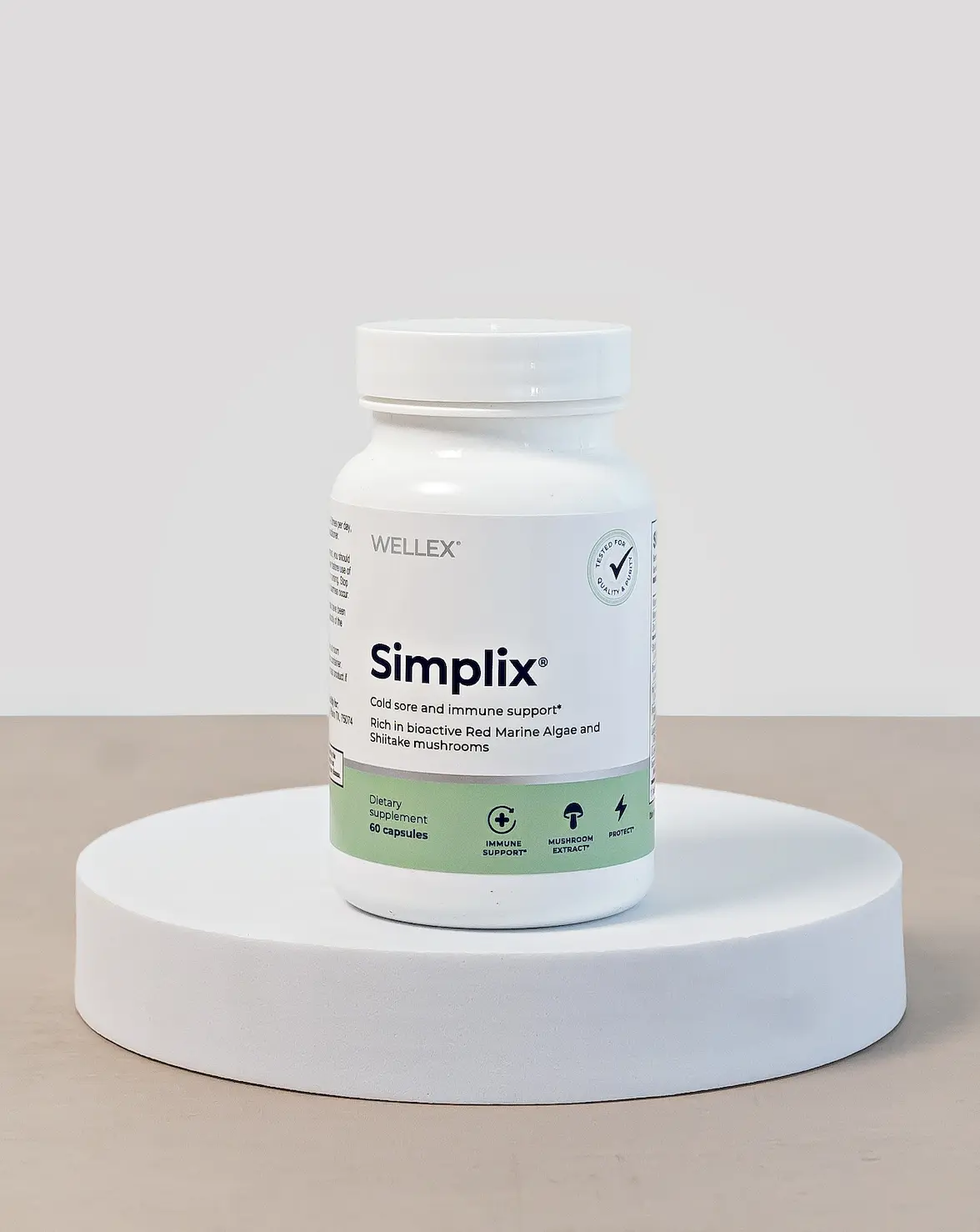
Simplix Viral Defense
Cold Sore & HSV Support
Synergistic formula combining L-Lysine, shiitake mushroom, and marine bioactives for comprehensive immune support.
SHOP NOW & SAVE 15%