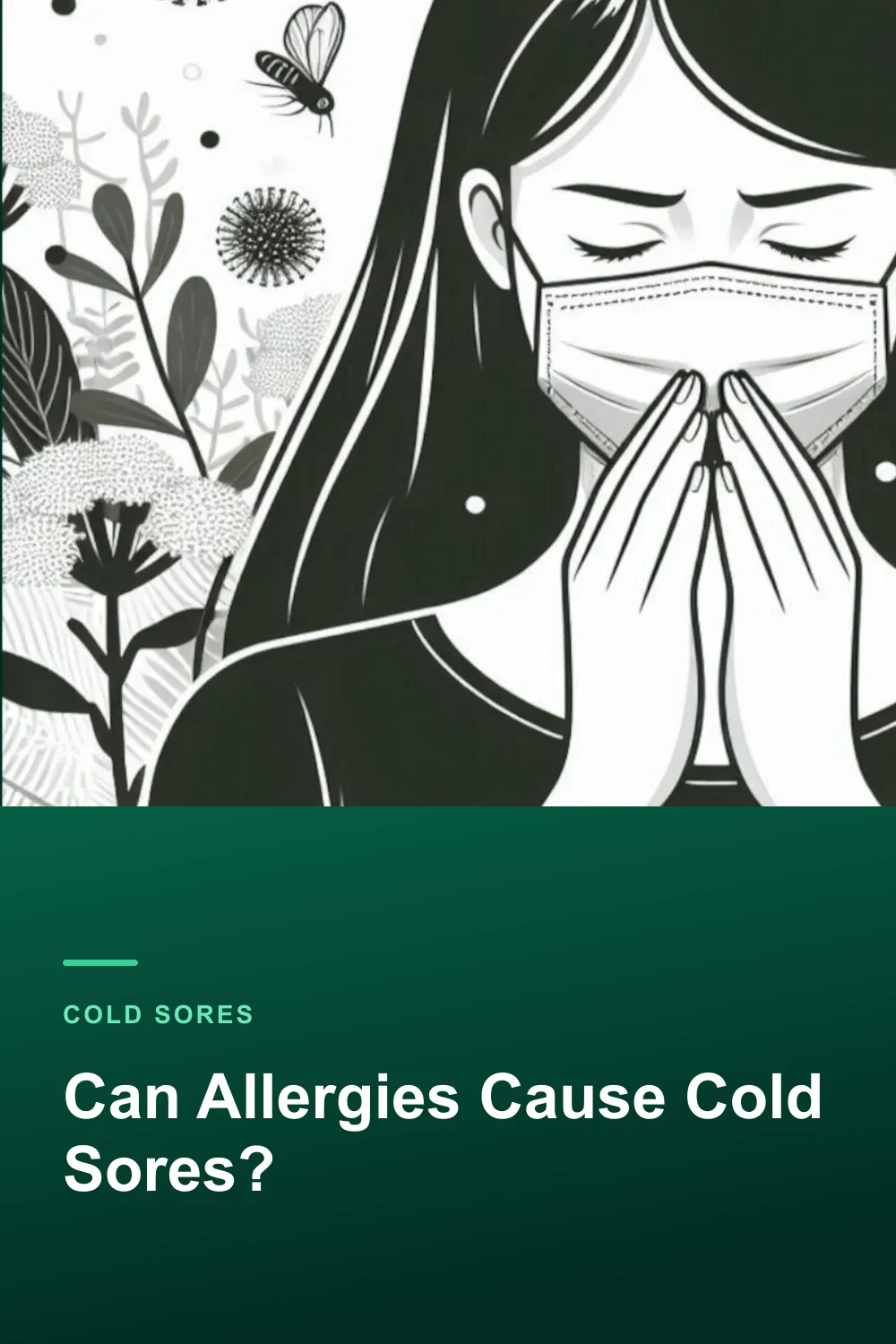
Allergies cannot cause cold sores. Cold sores come from the herpes simplex virus, mostly HSV-1, which you catch from another person. If you have never been infected, no allergy will give you a cold sore.
If you already carry HSV-1, which about two-thirds of people under 50 do, allergies can set off an outbreak. Hay fever season, a reaction to a new lip balm, or a week of wiping a runny nose can all irritate the skin around your mouth and wake the dormant virus.
Many people also confuse the two. An allergic reaction on the lips can look a lot like the start of a cold sore, and the treatments are completely different.
Simplix Viral Defense
Cold Sore & HSV Support
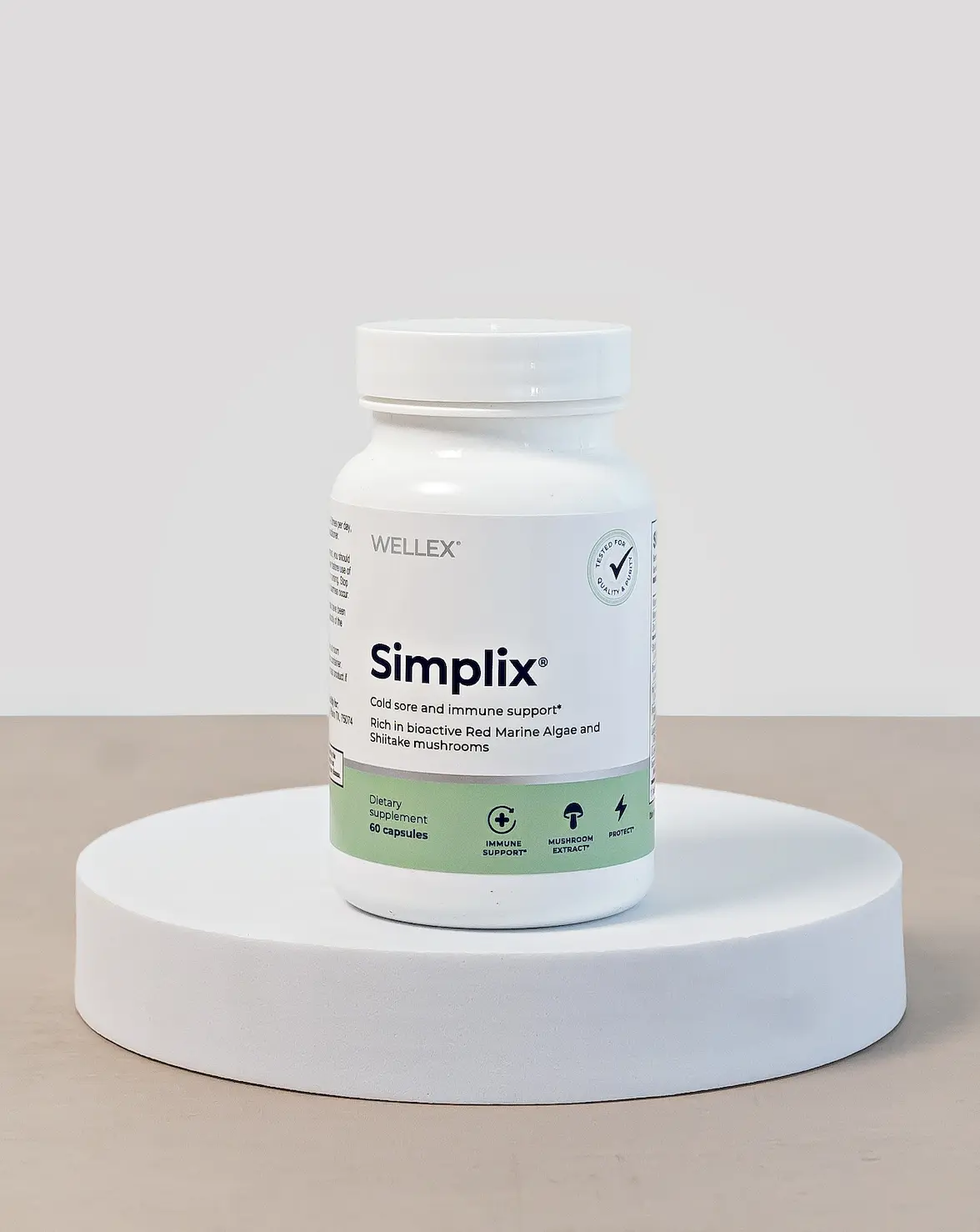
Simplix Viral Defense
Cold Sore & HSV Support
Synergistic formula combining L-Lysine, shiitake mushroom, and marine bioactives for comprehensive immune support.
SHOP NOW & SAVE 15%Cold sores flare when the virus reactivates from nerve cells
After the first infection, HSV-1 hides in a cluster of nerve cells near the jaw called the trigeminal ganglion. It stays there for life. When something stresses the body or damages the skin it supplies, the virus travels back down the nerve and causes a blister.
The usual triggers are:
- Strong sun or cold, dry wind that chaps the lips
- Colds, flu and fevers, which is where the name "fever blister" comes from
- Emotional stress and poor sleep
- Hormonal changes around menstruation or pregnancy
- Injury to the lips, including dental work, cracked skin and cosmetic procedures
Allergies hit two of these at once: they irritate the skin around the mouth and they put the immune system under strain. Our full list of cold sore triggers covers the rest.
Allergies trigger outbreaks in three main ways
Constant nose-blowing and wiping. During hay fever season, the skin between your nose and upper lip gets rubbed raw dozens of times a day. That friction and the resulting cracked skin are a common trigger, and many people notice their cold sores appear right at the edge of the nostril or upper lip in spring.
Mouth breathing. A blocked nose means breathing through your mouth, especially at night. This dries the lips quickly, and dry, cracked lips are one of the most reliable cold sore triggers.
Immune system strain and poor sleep. An allergic reaction is an immune response. Heavy allergy symptoms also wreck sleep, and research consistently links short or poor sleep to more frequent outbreaks. Whether the allergic response itself weakens control of HSV is less clear, but the sleep and stress effects are well established.
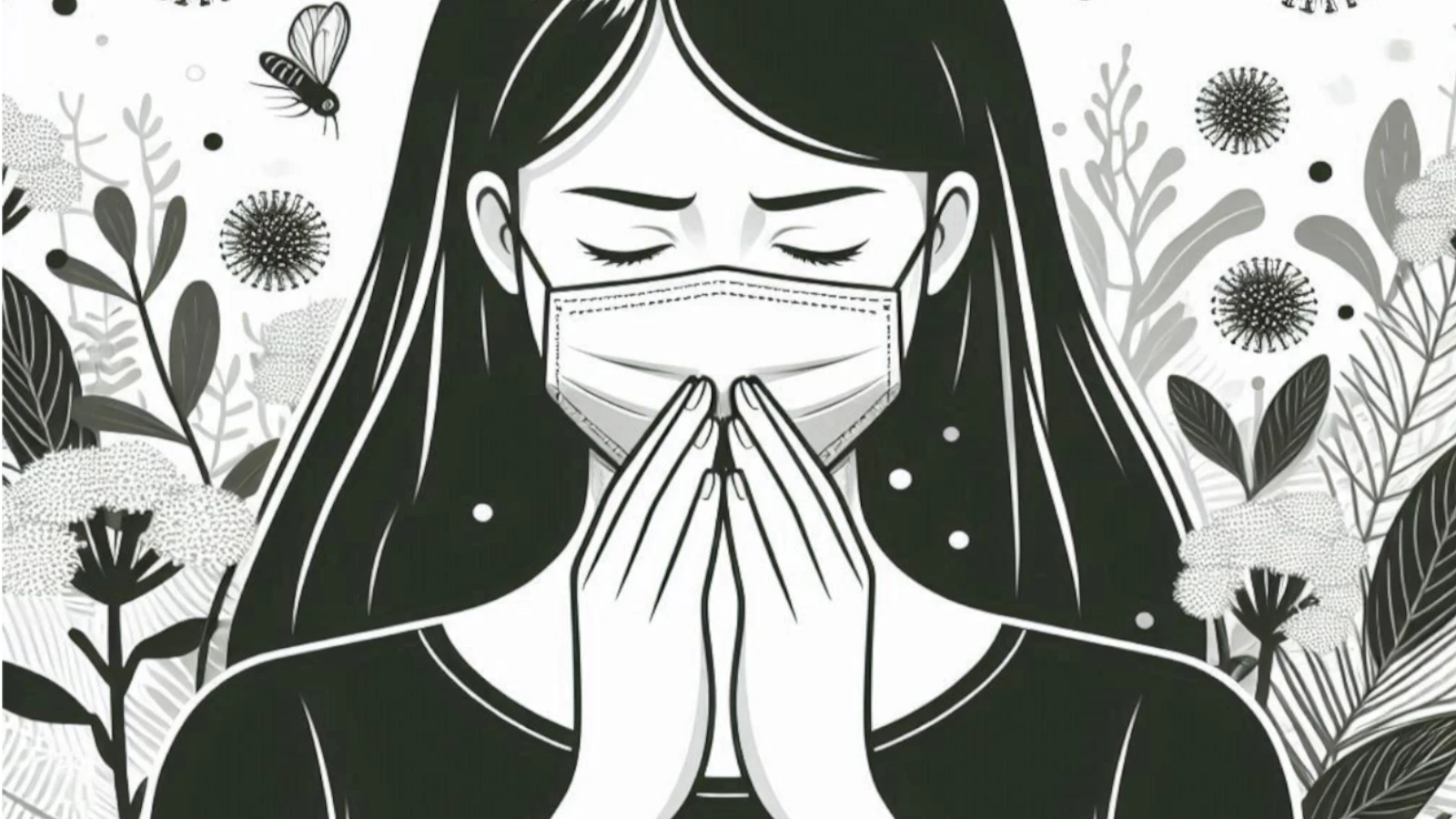
Allergic reactions on the lips can look like cold sores
Contact dermatitis from a lip product, toothpaste or food can cause redness, swelling, itching and even small blisters on the lips. That can easily be mistaken for a cold sore.
Some clues help tell them apart:
- Cold sores usually start with tingling or burning in one spot, then form a small cluster of fluid-filled blisters that crust over in 7 to 10 days. They tend to return to the same place.
- Allergic reactions usually spread across a wider area, itch more than they hurt, and appear soon after using a new product. They clear once you stop using it.
Common lip allergens include fragrances, flavorings such as cinnamon and peppermint, lanolin, propolis and some sunscreen filters. Ironically, some people develop a reaction to the cold sore creams and "natural" balms they use to prevent outbreaks. See our list of products to avoid with cold sores.
If you are not sure which you have, a doctor or pharmacist can usually tell by looking. A swab test can confirm HSV.
Controlling allergy symptoms helps prevent outbreaks
The goal is to keep the skin around your mouth intact and to keep allergy symptoms from wrecking your sleep.
- Treat allergies early in the season. Start a non-drowsy antihistamine or steroid nasal spray before pollen peaks rather than after you are already miserable. Ask a pharmacist which suits you.
- Use soft, lotion-infused tissues. They cause far less friction than paper towels or rough tissue. Pat rather than wipe.
- Protect the skin barrier. Apply a plain, fragrance-free ointment such as petroleum jelly to the area under the nose and on the lips, especially before bed.
- Wear lip balm with SPF outdoors. Spring and summer allergy season is also high-UV season, and sun is a major trigger.
- Reduce allergen exposure at home. Keep windows closed on high-pollen days, shower before bed and run a HEPA air purifier in the bedroom.
- Patch-test new lip products. Try a small amount on your inner arm for a couple of days before using it on your lips.
Lysine-rich foods may help during allergy season
Some people prone to cold sores aim for a diet with more lysine than arginine, since the virus needs arginine to replicate. Lysine-rich foods include fish, chicken, eggs, yogurt and most cheeses.
Foods high in arginine relative to lysine include nuts, seeds, chocolate and some grains. The evidence for diet is modest, but it is low-risk and many people report fewer outbreaks. You can check individual foods in our lysine-arginine food database.
Be careful with antihistamine-friendly diets or elimination diets that cut out dairy, meat and fish all at once. They can shift your lysine-to-arginine balance in the wrong direction without you noticing.
See a doctor if outbreaks are frequent or you are unsure what you have
If you get more than a few cold sores a year, or they reliably appear every allergy season, ask your doctor about antiviral medication. Valacyclovir or acyclovir can be taken at the first tingle, or daily during your high-risk months.
If you suspect a lip allergy rather than cold sores, a dermatologist can run patch tests to find the ingredient responsible.
For allergies that are severe or last most of the year, allergy shots or tablets (immunotherapy) can reduce symptoms long-term, which removes one recurring trigger.
Allergies and Cold Sores FAQs
Can an allergic reaction cause a cold sore?
Only if you already carry HSV-1. The reaction can irritate the lips enough to reactivate the dormant virus. It cannot cause a cold sore on its own.
Do antihistamines prevent cold sores?
Not directly. They can help indirectly by reducing nose-blowing, mouth breathing and lost sleep, all of which are triggers.
How do I tell an allergic reaction from a cold sore?
Cold sores start with tingling in one spot and form a small blister cluster. Allergic reactions usually itch, cover a wider area and appear after using a new product.
Why do I get cold sores every spring?
Spring combines pollen, more sun exposure and often wind. Rubbed skin under the nose, dry lips and UV light are all common triggers.
Image: Simplix Viral Defense
Simplix Viral Defense
Why we love it:
- Specifically formulated to reduce cold sore outbreaks
- Contains L-Lysine, Red Marine Algae, and Lemon Balm
- Supports immune system during viral challenges
- Helps manage stress-triggered outbreaks