Bone marrow transplantation (BMT) offers life-saving treatment for patients with hematologic malignancies and other serious blood disorders.
The procedure creates unique challenges in managing latent viral infections, particularly herpes simplex virus (HSV).The relationship between bone marrow transplants and herpes is complex.
While a bone marrow transplant cannot cure HSV, it fundamentally alters how the virus behaves in the body due to the complete immune system reset that occurs during transplantation.
HSV Reactivation in Bone Marrow Transplant RecipientsAfter BMT, patients are at an increased risk for HSV reactivation due to the immunosuppressive therapies used to prevent graft-versus-host disease (GVHD) and facilitate engraftment.
This reactivation can lead to various clinical manifestations, including:
- Oral Mucositis: Painful sores in the mouth, which can complicate nutrition and increase the risk of secondary infections.
- Esophagitis: Inflammation of the esophagus, leading to swallowing difficulties.
- Colitis: Inflammation of the colon, causing abdominal pain and diarrhea.
- Hepatitis: Liver inflammation, which can result in jaundice and elevated liver enzymes.
The severity and frequency of these reactivations can vary based on the level of immunosuppression and the patient's overall health status.
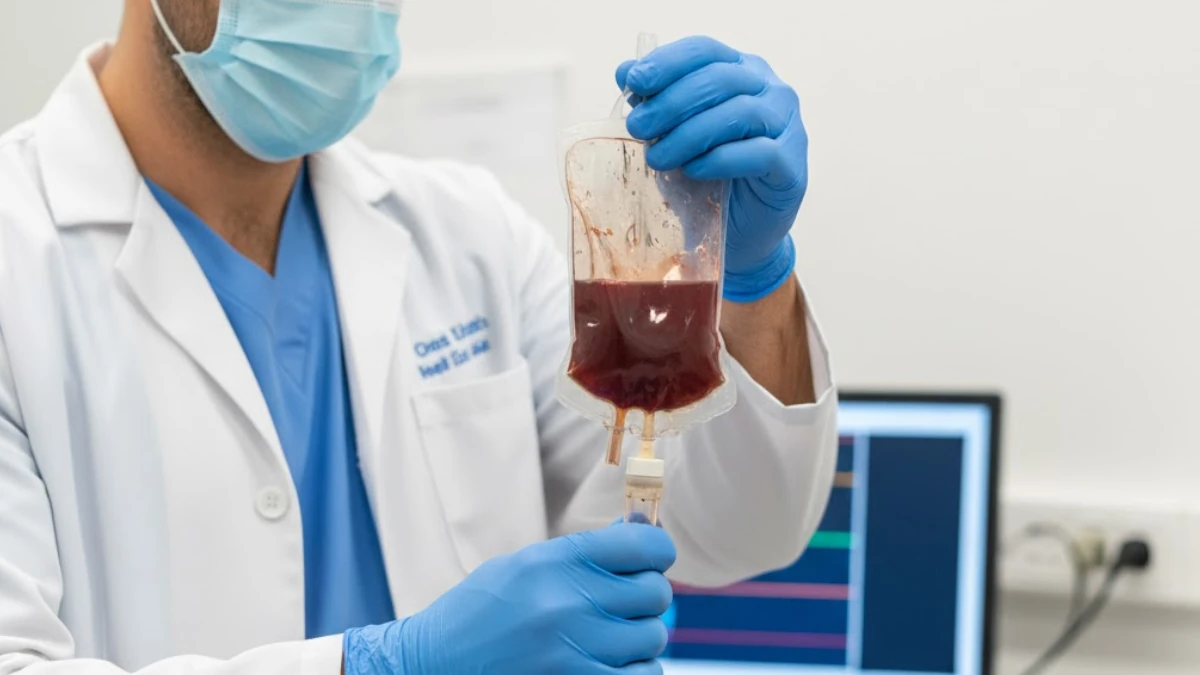
To combat the high risk of reactivation, a cornerstone of modern transplant care is antiviral prophylaxis.
Patients are routinely given antiviral medications like acyclovir or valacyclovir before and after the transplant procedure.
This preventive strategy is essential.
It dramatically reduces the incidence of HSV shedding and active disease during the patient's most vulnerable phase.
By suppressing the virus before it can fully reactivate, these medications protect patients from painful outbreaks and potentially life-threatening complications while their new immune system slowly develops.
While prophylaxis is highly effective, it presents its own challenge.
The prolonged use of antiviral drugs in an immunosuppressed environment can create selective pressure on the virus.
This can lead to the emergence of drug-resistant herpes simplex virus strains.
When resistance develops, standard antiviral treatments may no longer work, making infections much harder to control.
This situation requires clinicians to use alternative, often more toxic, antiviral agents and underscores the need for vigilant monitoring and new therapeutic options.
The ultimate goal of a bone marrow transplant is the successful engraftment and maturation of the new immune system.
This process, known as immune reconstitution, is the true key to long-term viral control.
As the new donor-derived immune cells, particularly T-cells, become fully functional, they regain the ability to recognize and suppress the latent HSV.
The healing of persistent or drug-resistant HSV lesions often coincides with this immune recovery.
It is the restored immune system, not the transplant itself, that provides the long-term surveillance to keep the virus in a dormant state.
It is vital to reiterate that the transplant procedure itself does not eliminate the HSV viral DNA from nerve cells.
The latent reservoir of the virus remains.
The transplant does not target the virus directly.
Any perceived "cure-like" effect is an indirect result of a successfully reconstituted immune system.
This new immune system is simply better equipped to perform the same function as a healthy immune system in a non-transplanted individual: keeping the virus suppressed and preventing outbreaks.
Future Directions in HSV Management for Transplant PatientsResearch continues to improve outcomes for transplant patients facing HSV challenges.
Scientists are investigating new antiviral agents effective against drug-resistant strains.
There is also significant interest in immunomodulatory therapies that could accelerate immune recovery without increasing the risk of graft-versus-host disease.
The future likely involves more personalized medicine, tailoring prophylactic and therapeutic strategies based on a patient's specific immune profile and viral risk factors.
These advancements aim to make the transplant journey safer by more effectively managing persistent viral threats like herpes simplex.

Image: Bravado Labs Advanced Lysine Immune Boost
Bravado Labs Advanced Lysine Immune Boost
Why we love it:
- Verified Customer Favorite
- High Quality Ingredients
As an affiliate, we earn from qualifying purchases.
Recommended Supplements for Herpes Management
Simplix Viral Defense
Cold Sore & HSV Support
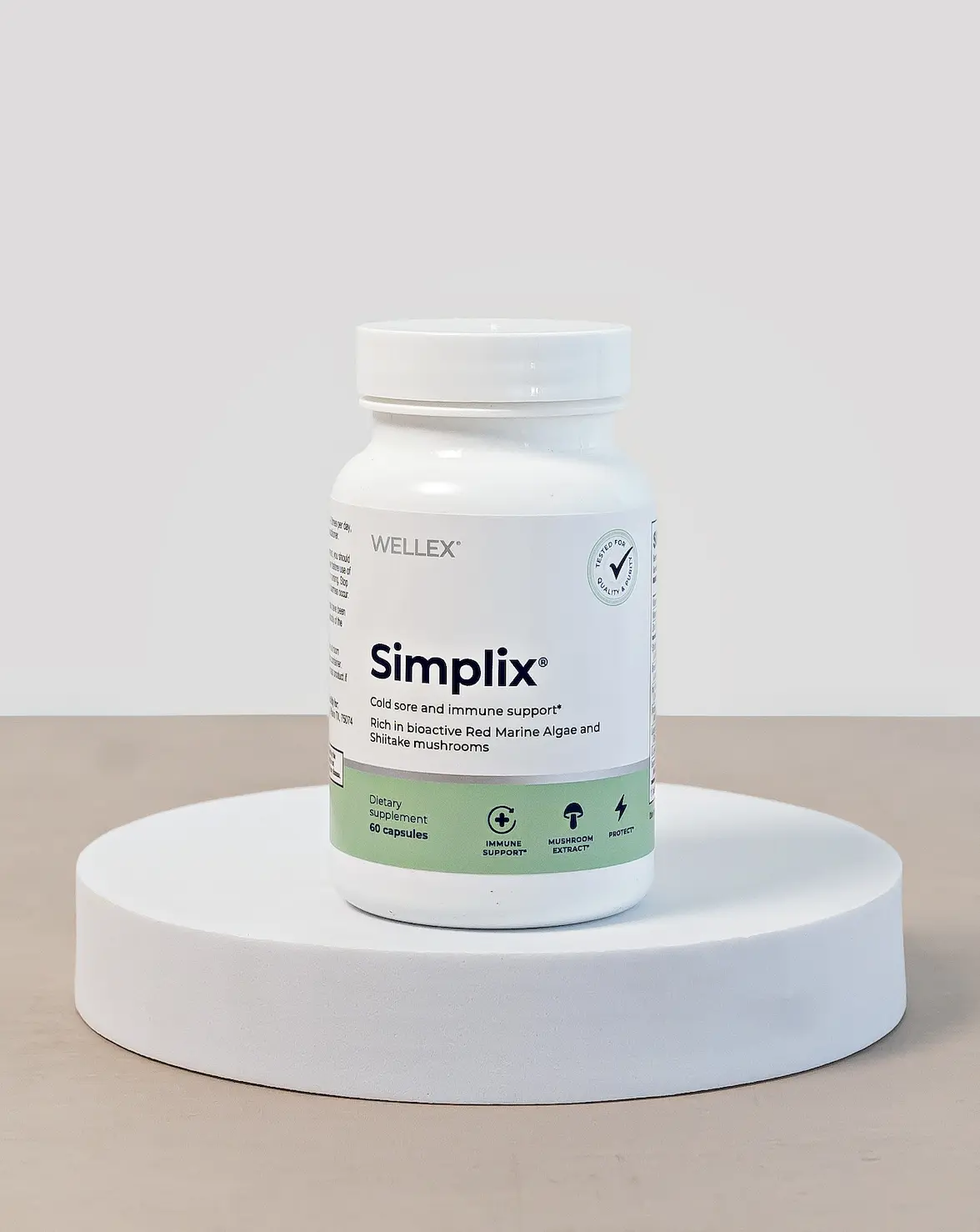
Simplix Viral Defense
Cold Sore & HSV Support
Synergistic formula combining L-Lysine, shiitake mushroom, and marine bioactives for comprehensive immune support.
SHOP NOW & SAVE 15%