L-lysine is an essential amino acid important for protein synthesis, immune function, and tissue repair.
Since the human body cannot produce lysine, it must be obtained from diet or supplements.
When it comes to managing herpes simplex virus (HSV) infections, L-lysine supplementation is popular for reducing outbreak frequency and severity.
However, many wonder about the best type of L-lysine to use: hydrochloride or monochloride.
This article clarifies the difference and explains which form is best for herpes treatment.
Understanding L-Lysine Hydrochloride and Monochloride
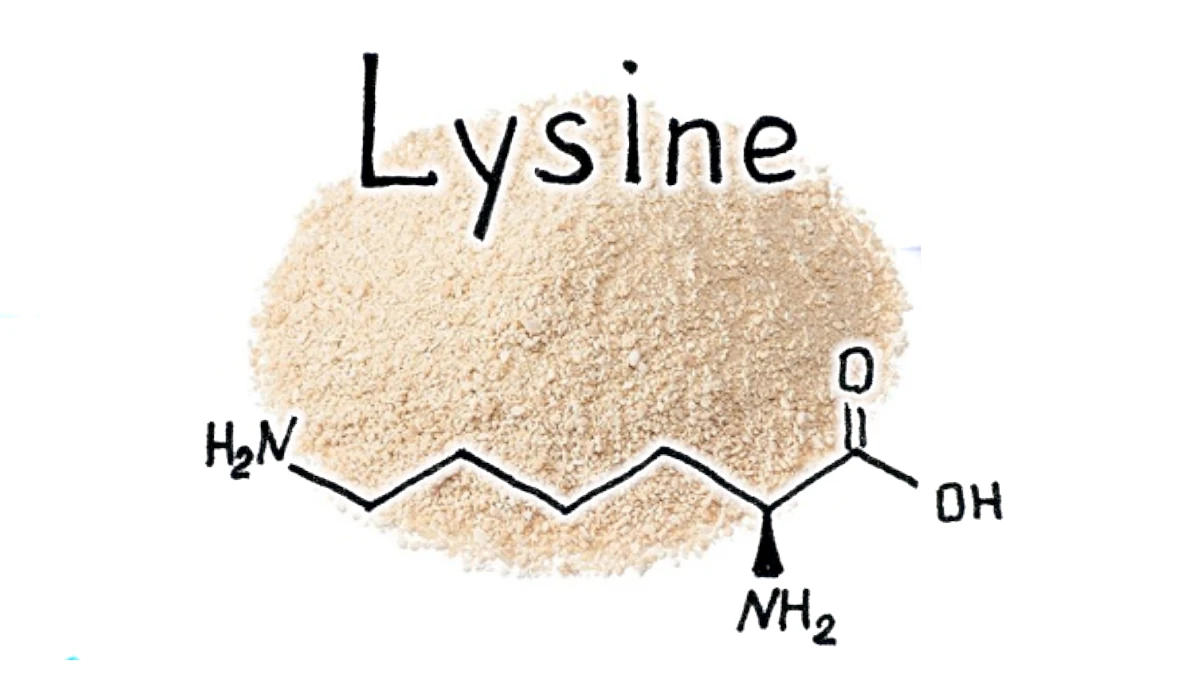
L-lysine hydrochloride, more precisely called L-lysine monohydrochloride (HCl), is the hydrochloride salt form of L-lysine.
It is a stable, water-soluble crystalline powder containing about 78% pure lysine by weight.
This form is highly pure (≥ 98.5% L-lysine HCl), easy to absorb, and widely used in dietary supplements and clinical studies related to herpes management.
The term “monochloride” is often used interchangeably with “monohydrochloride” in many contexts.
Chemically, they refer to the same compound—L-lysine bound to one hydrochloride ion.
Therefore, there is no meaningful difference between L-lysine hydrochloride and L-lysine monohydrochloride; both describe the same form of lysine used in supplements.
Why L-Lysine Monohydrochloride Is the Preferred Form
L-lysine monohydrochloride is the most studied and clinically supported form of lysine for herpes treatment.
It is highly bioavailable, meaning your body absorbs it efficiently to raise serum lysine levels.
This increase helps inhibit herpes simplex virus replication by competing with arginine, an amino acid the virus requires.
Clinical trials have demonstrated that oral supplementation with L-lysine monohydrochloride at doses around 1000 mg three times daily can significantly reduce the number, severity, and healing time of herpes outbreaks without notable side effects.
Common Confusion: Hydrochloride vs Monochloride
The confusion between “hydrochloride” and “monochloride” arises from terminology.
In scientific and supplement contexts, “monohydrochloride” is the correct and precise term for the salt form of lysine combined with one hydrochloride ion. “Monochloride” is less commonly used and may be a misnomer or shorthand for monohydrochloride.
Ultimately, both terms refer to the same chemical compound, so there is no difference in efficacy, safety, or absorption between them.
Other Forms of L-Lysine: Sulfate and More
Besides hydrochloride, L-lysine is also available as L-lysine sulfate.
This form contains about 55–65% pure lysine by weight and includes sulfate ions.
While safe and effective as a nutritional additive, lysine sulfate is less concentrated and less studied for herpes treatment compared to the monohydrochloride form.
For herpes management, L-lysine monohydrochloride remains the gold standard due to its higher lysine content, better bioavailability, and extensive clinical evidence.
Safety and Efficacy
Both L-lysine monohydrochloride and sulfate are considered safe for human use.
The European Food Safety Authority (EFSA) has reviewed these forms produced by fermentation and found no safety concerns.
Side effects are rare and generally mild, such as occasional gastrointestinal discomfort at very high doses.
L-lysine monohydrochloride has a strong safety record in clinical trials involving herpes patients, even at large doses.
Practical Advice for Using L-Lysine for Herpes
- Choose supplements labeled as L-lysine monohydrochloride (hydrochloride) for herpes management.
- Typical effective dosages are around 1000 mg taken two to three times daily during outbreaks or as a preventive measure.
- Consult a healthcare provider before starting supplementation, especially if you have other health conditions or take medications.
- Avoid confusion with “monochloride” as it is the same as monohydrochloride and does not represent a different product.
Conclusion
When deciding on the best type of L-lysine to use for herpes, L-lysine monohydrochloride (hydrochloride) is the clear choice.
It is the most studied, bioavailable, and clinically effective form available.
The term “monochloride” is essentially synonymous with “monohydrochloride,” so no difference exists between them.
Choosing the right form and dosage can help reduce herpes outbreaks safely and effectively, improving quality of life for those affected.
Best Type of L-Lysine to Use Hydrochloride or Monochloride FAQs
What is the difference between L-lysine hydrochloride and monochloride?
There is no meaningful difference between L-lysine hydrochloride and monochloride. The term "monochloride" is often used interchangeably or mistakenly for "monohydrochloride," which is the correct chemical name. Both refer to the same compound: L-lysine bound to one hydrochloride ion, making them effectively identical in structure, safety, and efficacy.
Which form of L-lysine is best for herpes treatment?
L-lysine monohydrochloride (hydrochloride) is the preferred and most studied form for managing herpes simplex virus infections. It has high purity, excellent bioavailability, and is supported by clinical trials showing its effectiveness in reducing herpes outbreaks.
Can L-lysine sulfate be used for herpes management?
L-lysine sulfate is safe and used primarily in animal nutrition but is less concentrated in lysine content and less studied for herpes treatment in humans. Therefore, it is not the ideal choice for herpes management compared to L-lysine monohydrochloride.
Are there any safety concerns with L-lysine monohydrochloride?
L-lysine monohydrochloride is generally safe when taken at recommended doses. Regulatory bodies like the EFSA have confirmed its safety. Side effects are rare and usually mild, such as occasional stomach upset at very high doses.
How much L-lysine monohydrochloride should I take for herpes?
Typical clinical doses for herpes treatment are around 1000 mg taken two to three times daily. It is best to consult a healthcare professional before starting supplementation to determine the appropriate dose for your needs.
Is there any difference in absorption between hydrochloride and monochloride forms?
No, since hydrochloride and monochloride refer to the same chemical form, their absorption and bioavailability are the same.

Image: Bravado Labs Advanced Lysine Immune Boost
Bravado Labs Advanced Lysine Immune Boost
Why we love it:
- Verified Customer Favorite
- High Quality Ingredients
As an affiliate, we earn from qualifying purchases.
Recommended Supplements for Herpes Management
Simplix Viral Defense
Cold Sore & HSV Support
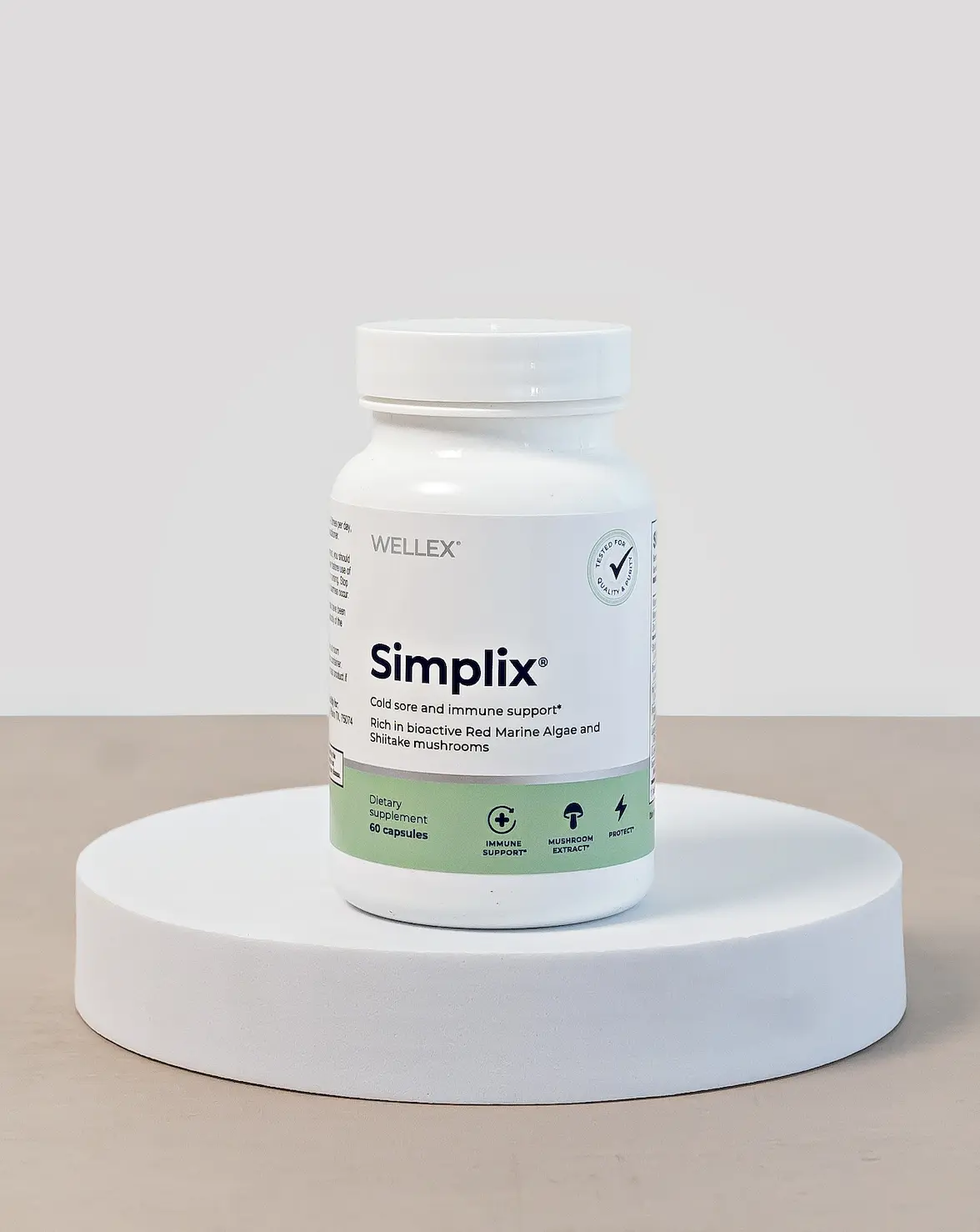
Simplix Viral Defense
Cold Sore & HSV Support
Synergistic formula combining L-Lysine, shiitake mushroom, and marine bioactives for comprehensive immune support.
SHOP NOW & SAVE 15%