Aspirin is a widely used anti-inflammatory and analgesic medication which has been explored for its potential role in managing herpes simplex virus (HSV) infections.
While aspirin is not an antiviral drug and cannot cure herpes, its ability to reduce inflammation and modulate immune responses has generated interest in whether it can help reduce the severity and frequency of herpes outbreaks.There is documented evidence on aspirin’s effects on herpes, including its impact on viral shedding, symptom relief, and recurrence prevention.
Herpes simplex virus infections, caused by HSV-1 and HSV-2, are lifelong and often characterized by recurrent outbreaks of painful lesions.
Inflammation during these outbreaks contributes to discomfort and tissue damage.
Aspirin’s anti-inflammatory action, through inhibition of cyclooxygenase enzymes and reduction of prostaglandins, may help alleviate these symptoms.Some individuals have reported fewer herpes recurrences while taking low-dose aspirin for other health reasons, prompting further investigation into aspirin’s potential benefits for herpes management.
Clinical studies have investigated whether aspirin can reduce HSV viral shedding or enhance the effects of antiviral drugs.
One randomized controlled trial combining aspirin with the antiviral valacyclovir found no significant reduction in HSV-1 DNA shedding compared to valacyclovir alone, indicating aspirin does not have a direct antiviral effect.However, other research suggests aspirin’s anti-inflammatory and immune-modulating properties might reduce the frequency and severity of herpes recurrences by dampening the inflammatory environment that facilitates viral reactivation.
Evidence from Clinical Trials and Research
A randomized, double-blind crossover trial involving patients with recurrent orofacial herpes showed that low-dose aspirin significantly decreased the frequency of outbreaks and shortened their duration compared to placebo.
Participants experienced a drop in recurrence rates from over 80% to about 22% during aspirin treatment.Animal studies have also demonstrated that cyclooxygenase inhibitors like aspirin can suppress HSV-1 reactivation, supporting the idea that aspirin may influence viral latency through inflammatory pathways.Additionally, aspirin-triggered specialized pro-resolving mediators have been shown to control HSV-induced inflammation in ocular infections, suggesting aspirin’s role in reducing tissue damage caused by herpes inflammation.
Aspirin’s Role in Symptom Relief
While aspirin does not cure herpes, its analgesic and anti-inflammatory effects can provide symptomatic relief during outbreaks.
Topical aspirin formulations have been used to reduce pain associated with herpes zoster and postherpetic neuralgia, conditions related to herpes viruses.For genital and oral herpes, oral aspirin may help alleviate pain and inflammation, improving patient comfort during episodes.

Limitations and Safety Considerations
Aspirin is not an antiviral medication and should not replace standard antiviral therapies such as acyclovir, valacyclovir, or famciclovir, which directly target HSV replication and reduce outbreak severity.Long-term aspirin use carries risks, including gastrointestinal bleeding and Reye’s syndrome in children and teenagers.
Therefore, aspirin should be used cautiously and under medical supervision, especially in vulnerable populations.Individuals interested in using aspirin as part of herpes management should consult their healthcare provider to weigh benefits and risks.
How Aspirin Fits Into Herpes Management
Aspirin may serve as a complementary approach for managing herpes symptoms and possibly reducing recurrence frequency due to its anti-inflammatory properties.
It is not a standalone treatment but could be used alongside antiviral medications and other therapies.Further research is needed to clarify optimal dosing, treatment duration, and patient populations that may benefit most from aspirin in herpes management.
Summary and Recommendations
Here are some key points to remember about aspirin and herpes:
- Aspirin does not cure herpes or directly inhibit the virus but may reduce inflammation and pain during outbreaks.
- Clinical evidence suggests low-dose aspirin can decrease the frequency and duration of recurrent orofacial herpes episodes.
- Aspirin’s analgesic properties may help relieve symptoms associated with herpes outbreaks.
- Standard antiviral medications remain essential for effective herpes treatment.
- Consult a healthcare professional before using aspirin for herpes, especially for long-term use or in children.
Frequently Asked Questions About Aspirin and Herpes
Can aspirin help prevent herpes outbreaks?
Some evidence and anecdotal reports suggest low-dose aspirin may help reduce the frequency and severity of herpes simplex virus (HSV) outbreaks by lowering inflammation that the virus uses to evade the immune system. However, it is not a guaranteed preventive treatment and should be considered complementary to antiviral medications.
Does aspirin reduce the severity or duration of cold sores?
Aspirin's anti-inflammatory action may help reduce the pain and inflammation associated with cold sores, potentially providing symptomatic relief, but it does not directly kill the virus or cure the infection. It is best used alongside antiviral treatments specifically designed for herpes.
Is it effective to crush aspirin and apply it directly to cold sores?
No, topical application of crushed aspirin to cold sores is not recommended. There is no strong scientific evidence supporting this practice, and it may cause skin irritation or damage. Oral aspirin is the advisable method if aspirin is used.
How does aspirin interact with antiviral drugs for herpes?
Aspirin has been studied in combination with antiviral drugs like valacyclovir, but studies show no significant additional benefit in reducing herpes virus shedding or outbreaks beyond antiviral treatment alone. Aspirin may help manage inflammation but should not replace prescribed antiviral therapies.
Are there any risks in using aspirin regularly for herpes management?
Regular aspirin use carries risks such as gastrointestinal irritation, bleeding, and allergic reactions. It should be used cautiously and under medical supervision, especially if taken long-term or combined with other medications.
Can aspirin stop herpes virus from spreading?
Aspirin does not have antiviral properties to stop herpes virus transmission. Its role is mainly symptom management and inflammation control, so standard precautions and antiviral therapies are necessary to reduce spread.

Image: Bravado Labs Advanced Lysine Immune Boost
Bravado Labs Advanced Lysine Immune Boost
Why we love it:
- Verified Customer Favorite
- High Quality Ingredients
As an affiliate, we earn from qualifying purchases.
Recommended Supplements for Herpes Management
Simplix Viral Defense
Cold Sore & HSV Support
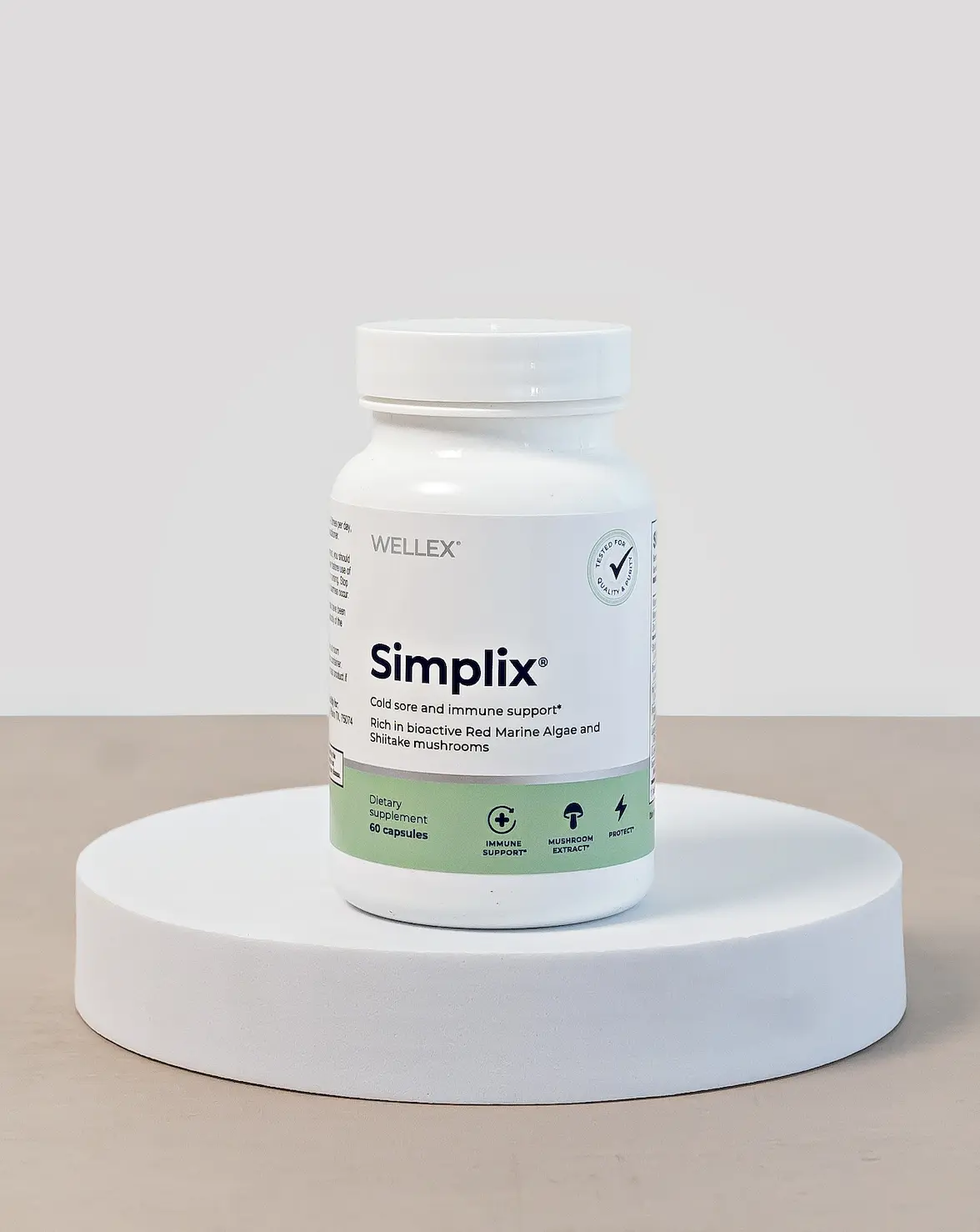
Simplix Viral Defense
Cold Sore & HSV Support
Synergistic formula combining L-Lysine, shiitake mushroom, and marine bioactives for comprehensive immune support.
SHOP NOW & SAVE 15%