Ashwagandha (Withania somnifera) is a powerful adaptogenic herb that has been used for centuries in Ayurvedic medicine to promote overall health and resilience.
It is especially valued for its ability to help the body manage stress, balance hormones, and support immune function.
Recently, Ashwagandha has gained attention for its potential role in managing cold sores, which are caused by the herpes simplex virus type 1 (HSV-1).
Cold sores often flare up during times of stress or weakened immunity, making Ashwagandha's stress-relieving and immune-supporting properties particularly relevant.
By helping to reduce cortisol levels and enhance the body's natural defenses, Ashwagandha may lower the frequency and severity of herpes outbreaks.
Moreover, emerging research suggests that Ashwagandha contains bioactive compounds that may directly interfere with viral replication, offering a dual approach to managing cold sores both by supporting the immune system and targeting the virus itself.
Scientific studies have identified withaferin A and other withanolides in Ashwagandha as compounds with notable antiviral effects.
Laboratory research shows these compounds can inhibit key enzymes involved in the replication of HSV-1, potentially reducing viral load and limiting outbreaks.
While most evidence is currently from in vitro or animal studies, these findings are promising and suggest Ashwagandha could complement conventional antiviral treatments.
Its antiviral properties may help reduce the severity and duration of cold sores when used alongside standard care.
It is important to note that clinical trials in humans are limited, so more research is needed to fully understand the effectiveness and optimal dosing of Ashwagandha for herpes management.
Stress is one of the most common triggers for cold sore outbreaks, as it weakens the immune system and allows the dormant virus to reactivate.
Ashwagandha’s adaptogenic effects help regulate the body’s stress response by lowering cortisol levels and promoting a sense of calm and balance.
By reducing stress and anxiety, Ashwagandha may indirectly prevent herpes flare-ups.
Additionally, it enhances immune function by increasing the activity of natural killer cells and improving overall immune resilience, which is critical for keeping HSV-1 dormant.
Regular supplementation with Ashwagandha has also been linked to improved sleep quality and reduced inflammation, both of which contribute to better immune health and may further reduce the risk of cold sore outbreaks.
Although Ashwagandha is generally considered safe, there are important precautions to consider.
It should be avoided during acute illness or fever, as it may be difficult to digest and could exacerbate symptoms.
People with autoimmune disorders or those taking immunosuppressive medications should consult a healthcare provider before using Ashwagandha, since it modulates immune activity and could interfere with their treatment.
Pregnant and breastfeeding women are advised to seek medical advice before using Ashwagandha, as safety data in these populations is limited.
Additionally, Ashwagandha may interact with certain medications, including sedatives and thyroid hormone treatments, so professional guidance is important.
Ashwagandha offers promising benefits as a natural supplement to support people prone to cold sores through its combined antiviral, stress-reducing, and immune-enhancing effects.
While preliminary research is encouraging, it should not replace prescribed antiviral medications but rather be considered as a complementary approach.
If you are thinking about adding Ashwagandha to your cold sore management routine, discuss it with your healthcare provider to ensure it fits safely with your overall treatment plan and health status.
With proper use and medical guidance, Ashwagandha may become a valuable part of a holistic strategy to reduce the impact of herpes simplex virus on your life.
Ashwagandha and Cold Sores: Frequently Asked Questions
Can Ashwagandha help prevent or reduce cold sore outbreaks?
Yes, Ashwagandha may help. Its antiviral compounds may inhibit herpes virus replication, while its adaptogenic properties reduce stress—a common trigger for outbreaks. However, more clinical studies are needed to confirm its effectiveness.
Is Ashwagandha safe to use alongside antiviral medications?
Generally, Ashwagandha is considered safe, but it can interact with certain medications, including immunosuppressants and sedatives. Always consult your healthcare provider before combining Ashwagandha with prescription drugs.
Are there any risks or side effects associated with Ashwagandha?
Ashwagandha is usually well tolerated, but it may cause digestive discomfort in some people. It should be avoided during acute illness, pregnancy, or breastfeeding unless advised by a healthcare professional.
How should I take Ashwagandha for cold sores?
There is no standardized dosage for cold sore management yet. Most supplements recommend 300-600 mg of standardized extract daily. Consult your healthcare provider to determine the right dose for your needs.
Can Ashwagandha replace antiviral medications for herpes?
No. Ashwagandha should be considered a complementary supplement, not a substitute for prescribed antiviral treatments. Always follow your doctor’s advice regarding medication.
How long does it take to see benefits from Ashwagandha?
Benefits may take several weeks to appear,
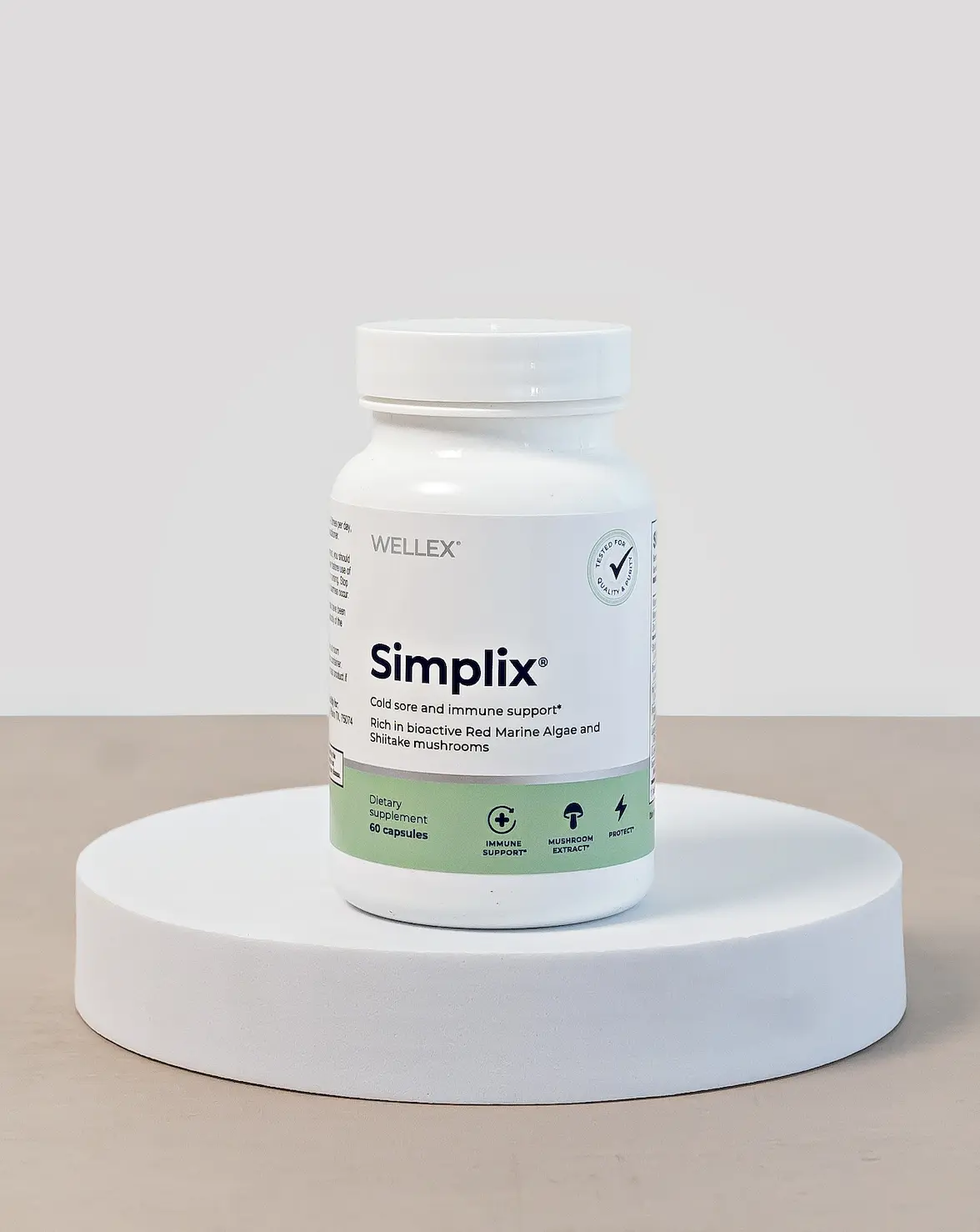
Image: Simplix Viral Defense
Simplix Viral Defense
Why we love it:
- Specifically formulated to reduce cold sore outbreaks
- Contains L-Lysine, Red Marine Algae, and Lemon Balm
- Supports immune system during viral challenges
- Helps manage stress-triggered outbreaks
Recommended Supplements for Herpes Management
Simplix Viral Defense
Cold Sore & HSV Support
Simplix Viral Defense
Cold Sore & HSV Support
Synergistic formula combining L-Lysine, shiitake mushroom, and marine bioactives for comprehensive immune support.
SHOP NOW & SAVE 15%