Cold sores, caused primarily by the herpes simplex virus (HSV-1), are common viral infections that form painful blisters around the lips and mouth.
Apple cider vinegar is a popular home remedy often mentioned for cold sore treatment due to its antimicrobial and antiseptic properties.
However, while apple cider vinegar has demonstrated antibacterial and antifungal effects, there is currently no scientific evidence proving it can effectively treat or cure cold sores, which are caused by a virus rather than bacteria.
Potential Benefits of Apple Cider Vinegar for Cold Sores
Apple cider vinegar contains acetic acid and other compounds that exhibit antimicrobial activity, which may help reduce the risk of secondary bacterial infections on cold sores.
Additionally, apple cider vinegar can help remove dead skin cells, potentially aiding the healing process once cold sores reach the scabbing stage.
Some anecdotal reports suggest that diluted apple cider vinegar applications may soothe symptoms or speed healing, but these claims lack robust clinical validation.
How to Use Apple Cider Vinegar Safely on Cold Sores
If you choose to try apple cider vinegar for cold sores, it is crucial to dilute it properly to avoid skin irritation or burns.
A common recommendation is to dilute apple cider vinegar in water at a 1:10 ratio (one part apple cider vinegar to ten parts water).
Using a cotton ball or swab, gently dab the diluted solution onto the cold sore once or twice daily, particularly during the scabbing phase.
Avoid applying full-strength apple cider vinegar directly to the skin, as its acidity can cause stinging, redness, and damage.
Some people mix diluted apple cider vinegar with honey or essential oils like tea tree oil for added antimicrobial effects, but these mixtures should be used cautiously and avoided if you have sensitive skin or allergies.

Risks and Precautions
Applying undiluted apple cider vinegar or overusing it can cause serious skin irritation, burning sensations, and dryness.
The delicate skin around cold sores is especially vulnerable, so care must be taken to prevent worsening symptoms. apple cider vinegar is not a substitute for proven antiviral treatments.
Relying solely on home remedies like apple cider vinegar may delay effective medical care and prolong discomfort.
Medical Treatments Remain the Gold Standard
Antiviral medications such as acyclovir, valacyclovir, and docosanol creams are clinically proven to reduce the duration and severity of cold sore outbreaks.
These treatments target the herpes simplex virus directly, unlike apple cider vinegar, which only offers antiseptic benefits.
Consulting a healthcare provider is recommended for proper diagnosis and treatment advice, especially if cold sores are frequent, severe, or persistent.
Summary
Apple cider vinegar may offer some antimicrobial benefits that could help reduce the risk of secondary infections and assist in removing dead skin during the healing phase of cold sores.
However, it is not scientifically proven to treat the herpes virus itself.
When using apple cider vinegar, always dilute it properly and avoid applying it to open or sensitive skin to prevent irritation.
For effective cold sore management, established antiviral medications and professional medical guidance remain essential.
FAQs: Apple Cider Vinegar and Cold Sores
Can apple cider vinegar cure cold sores?
No, apple cider vinegar (ACV) does not cure cold sores. Cold sores are caused by the herpes simplex virus (HSV), and ACV has no antiviral properties strong enough to eliminate the virus. It may help reduce the risk of secondary bacterial infections due to its antimicrobial effects, but it cannot treat the underlying viral infection.
Is it safe to apply apple cider vinegar directly to a cold sore?
Applying undiluted apple cider vinegar directly to a cold sore is not recommended because its acidity can cause skin irritation, burning, and damage to the delicate skin around the sore. If used, ACV should always be diluted with water (commonly 1 part ACV to 10 parts water) and applied gently with a cotton swab.
Can apple cider vinegar speed up the healing of cold sores?
There is limited scientific evidence that ACV can speed healing of cold sores. Some people report that diluted ACV helps dry out scabs and reduce dead skin, but these effects are anecdotal. Established antiviral medications remain the most effective way to shorten outbreak duration.
Are there any risks or side effects of using apple cider vinegar on cold sores?
Yes. Overuse or applying undiluted ACV can cause skin irritation, redness, burning, and dryness. The delicate skin around cold sores is particularly sensitive, so improper use may worsen symptoms or delay healing. Always patch test and discontinue use if irritation occurs.
What are safer alternatives to apple cider vinegar for cold sore treatment?
Clinically proven treatments include antiviral creams (like acyclovir or docosanol) and oral antiviral medications prescribed by healthcare professionals. These target the herpes virus directly and reduce symptom severity and duration. Gentle cleansing, cold compresses, and moisturizing lip balms can also soothe symptoms.
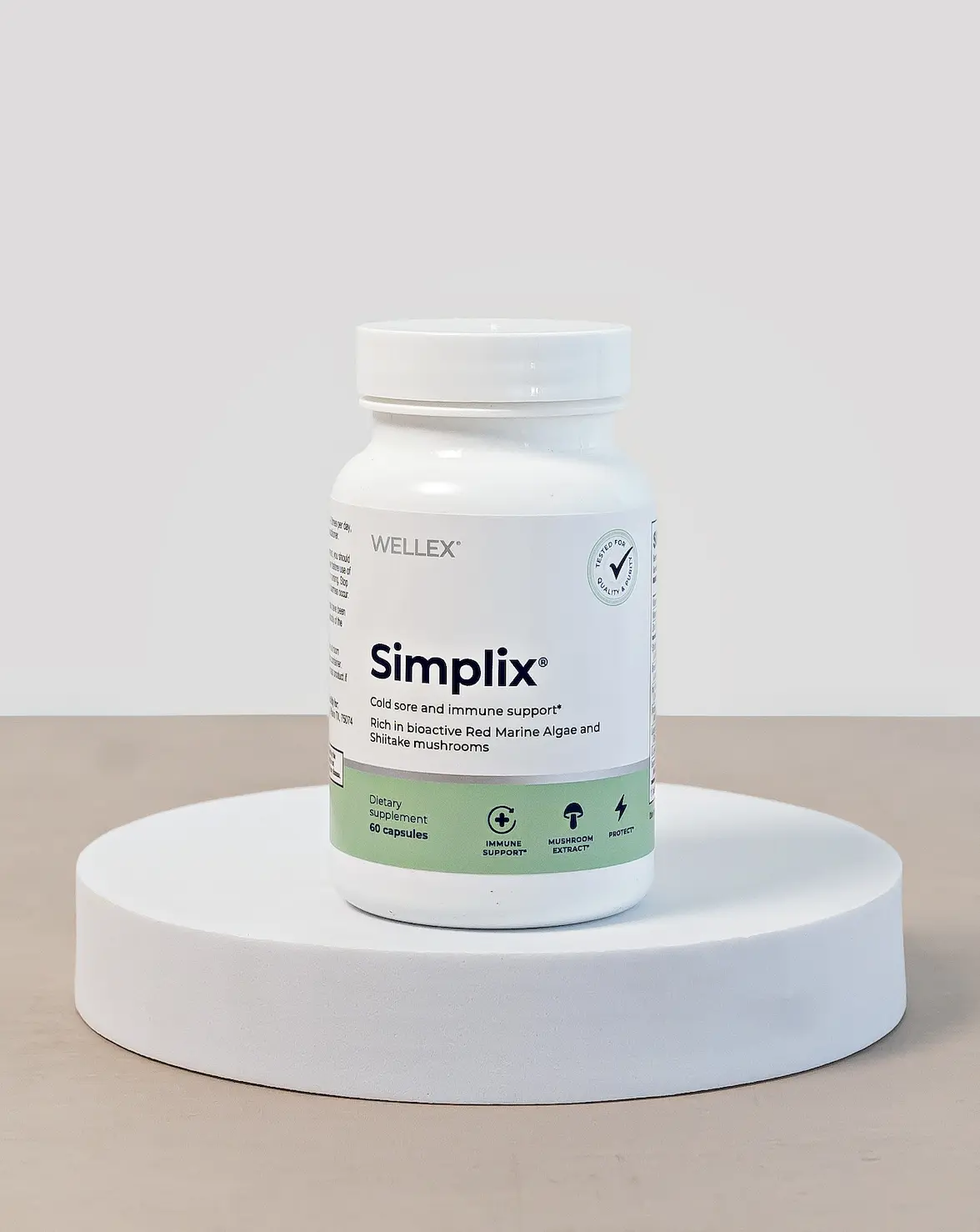
Image: Simplix Viral Defense
Simplix Viral Defense
Why we love it:
- Specifically formulated to reduce cold sore outbreaks
- Contains L-Lysine, Red Marine Algae, and Lemon Balm
- Supports immune system during viral challenges
- Helps manage stress-triggered outbreaks
Recommended Supplements for Herpes Management
Simplix Viral Defense
Cold Sore & HSV Support
Simplix Viral Defense
Cold Sore & HSV Support
Synergistic formula combining L-Lysine, shiitake mushroom, and marine bioactives for comprehensive immune support.
SHOP NOW & SAVE 15%